Gifting Property to Children in the US: Tax Guide to Benefits, Risks, and Long-Term Consequences

Gary Gal

Passing down property to children is one of the biggest financial decisions families make. It often comes from love, legacy planning, or smart tax strategy. But gifting real estate is not as simple as handing over house keys. It can affect taxes, ownership rights, and long-term wealth for both parents and children.
Many business owners, executives, and independent professionals think gifting property is a quick way to reduce estate taxes or help their children financially. Sometimes it is. Sometimes it creates unexpected tax bills or legal challenges. The difference usually comes down to understanding how gifting works before making the move.
In this guide, you will learn:
How gifting property to children works in the United States
The tax rules and reporting requirements involved
The benefits and risks families must consider
The long-term financial consequences for children
When gifting property may or may not make sense
Planning strategies to help families stay compliant and protect wealth
What Does Gifting Property to Children Mean?

Gifting property means transferring real estate ownership to your child while you are still alive, and usually without receiving payment in return.
When you gift property, your child becomes the legal owner immediately. This is different from inheritance, where property transfers after death through a will or trust.
Common Types of Property Parents Gift
Families often gift:
Residential homes
Vacation properties
Rental or investment properties
Land or commercial real estate
How Ownership Transfer Works
The process usually involves:
Preparing a new property deed
Signing the deed in front of a notary
Recording the deed with the local county office
Filing required tax documentation
Once the transfer is complete, the parent no longer legally owns the property unless specific arrangements were made.
Why Families Consider Gifting Property
Many parents choose gifting because they want to:
Help children build wealth early
Reduce estate size for tax purposes
Simplify future inheritance planning
Avoid probate delays
However, gifting is permanent in most cases. That is why families must understand the full impact before moving forward.
How Does the IRS Treat Gifted Real Estate?

The IRS treats gifted property as a financial gift, which may trigger reporting requirements and affect lifetime tax exemptions.
Real estate is considered a valuable asset. Because of this, the IRS monitors property transfers closely.
The Annual Gift Tax Exclusion
Each year, you can gift a certain amount without reporting it to the IRS.
For 2025 and 2026, the annual exclusion is typically adjusted for inflation, but it often stays around:
$18,000 per recipient per year (estimate based on recent thresholds)=
If you gift property worth more than this amount, you must report it. But reporting does not always mean paying taxes.
Lifetime Gift and Estate Tax Exemption
The IRS allows a lifetime exemption that covers large gifts and estate transfers.
Current federal lifetime exemption is over $13 million per person (subject to change after 2025 law adjustments)
If your property gift exceeds the annual limit:
The excess amount reduces your lifetime exemption
Taxes are only due if total gifts exceed the lifetime threshold
Gift Tax Filing Requirements
If you gift real estate above the annual exclusion, you must file:
IRS Form 709 (United States Gift Tax Return)
This form tracks how much of your lifetime exemption you have used.
What Are the Benefits of Gifting Property to Children?

Gifting property can reduce estate taxes, simplify inheritance planning, and allow parents to support children financially during their lifetime.
1. Reduces Estate Size
Gifting property removes its value from your estate. This can help families:
Lower future estate taxes
Simplify asset distribution
Protect wealth for the next generation
This benefit is especially useful for high-net-worth individuals or business owners with multiple assets.
2. Avoids Probate Delays
Probate is the legal process that distributes assets after death. It can take months or even years.
When property is gifted:
Ownership transfers immediately
Children gain full control without court involvement
3. Allows Parents to See the Benefits
Some parents want to see their children enjoy the property while they are alive. This can include:
Helping children avoid housing costs
Supporting business or rental investment opportunities
Passing down family homes or vacation properties
4. Provides Financial Planning Opportunities
Gifting can help with:
Multi-generational wealth planning
Early tax strategy implementation
Asset protection planning
For business owners, gifting property may also support succession planning.
What Are the Risks of Gifting Property?

Gifting property carries serious risks, including loss of control, tax complications, and potential family disputes.
While gifting sounds appealing, families must carefully evaluate the downsides.
1. Loss of Ownership and Control
Once property is gifted:
The child becomes the legal owner
Parents usually cannot reverse the transfer
Parents lose decision-making authority
This means children can:
Sell the property
Use it as loan collateral
Transfer it to someone else
2. Exposure to Children’s Financial Risks
If your child faces financial trouble, the gifted property could be at risk.
Examples include:
Divorce settlements
Bankruptcy proceedings
Creditor claims
Parents often overlook these risks when making emotional decisions.
3. Potential Medicaid Eligibility Issues
Gifting property can affect eligibility for government benefits like Medicaid.
The government reviews financial transfers during a look-back period, often five years. Gifting property during this time may:
Delay Medicaid approval
Create penalty periods
4. Family Conflict
Property transfers can cause disagreements among siblings, especially if:
Gifts are uneven
Future inheritance expectations change
Clear communication and documentation help prevent disputes.
How Does Gifting Property Affect Capital Gains Taxes?

Children who receive gifted property inherit the parent’s original purchase cost, which can create higher capital gains taxes if they sell the property later.
This rule is called carryover basis, and it is one of the biggest tax concerns in property gifting.
What Is Cost Basis?
Cost basis is the original value of the property, usually including:
Purchase price
Improvements or renovations
Example of Carryover Basis
Imagine:
Parent bought property for $100,000
Property value increases to $500,000
Parent gifts property to child
Child later sells property for $550,000
The child’s taxable gain would be based on:
$550,000 sale price – $100,000 original basis = $450,000 taxable gain
How Inheritance Differs
If property is inherited instead of gifted, children usually receive a step-up in basis. This means:
Basis resets to current market value at time of death
Capital gains taxes are often reduced significantly
This difference is one of the most important factors families must consider.
When Does Gifting Property Make Financial Sense?

Gifting property often makes sense when reducing estate taxes is the main goal and parents are comfortable giving up control of the asset.
There is no one-size-fits-all answer. However, gifting tends to work best in certain situations.
Situations Where Gifting May Be Smart
Gifting property may be beneficial if:
Your estate may exceed federal or state estate tax limits
The property is expected to grow significantly in value
You trust your child to manage the property responsibly
The property is unlikely to be sold soon
You want to simplify inheritance planning
Situations Where Gifting May Not Be Ideal
Gifting may not work well if:
You still rely on the property for income
You may need the property later
Your child has financial instability
Capital gains taxes could be high
Professional tax planning is critical when making this decision.
What Are Alternative Strategies to Gifting Property?

Families often use trusts, life estate arrangements, or transfer-on-death deeds as safer alternatives to direct property gifting.
These options allow parents to maintain control while still planning future transfers.
1. Living Trusts
Living trusts allow parents to:
Retain control during their lifetime
Avoid probate after death
Provide structured inheritance instructions
Trusts can also help protect assets from legal risks.
2. Life Estate Arrangements
A life estate allows:
Parents to live in or use the property for life
Children to automatically inherit ownership after death
This option balances control and future planning.
3. Transfer-on-Death Deeds
Some states allow property owners to name beneficiaries who receive property after death without probate.
Benefits include:
Simple setup
Retained ownership control
Faster inheritance transfer
However, availability varies by state.
If you want to explore other real estate transfer options for families, check out our comprehensive guide about How to Transfer Real Estate to Children in the US to understand which method fits your situation.
What Legal Steps Are Required to Gift Property?
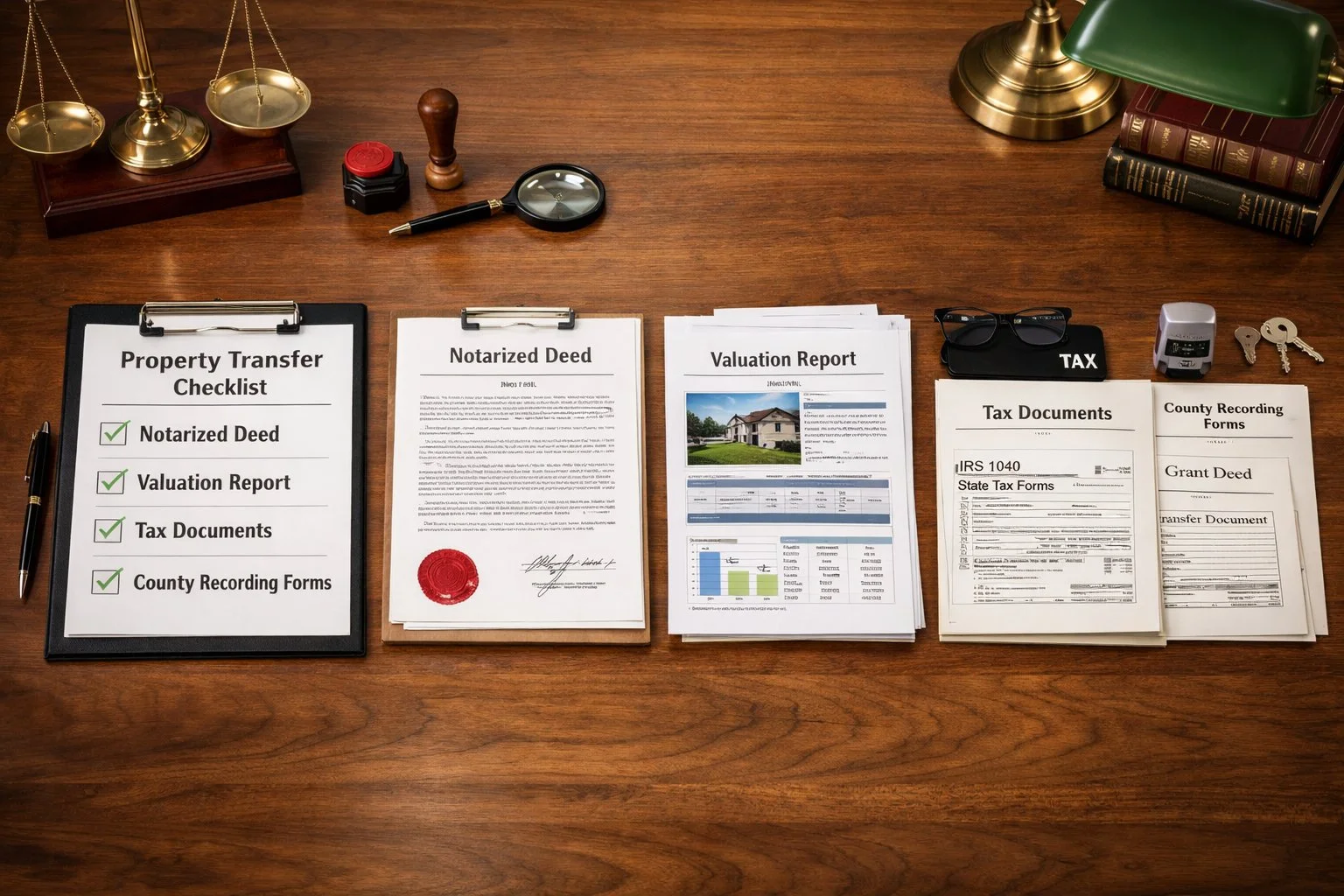
Gifting property requires legal documentation, proper deed transfer, and tax reporting to ensure compliance with state and federal laws.
Skipping legal steps can create serious ownership disputes later.
Key Legal Requirements
Families usually need to:
Draft a legally valid property deed
Obtain professional property valuation
Notarize transfer documents
Record the deed with local authorities
File IRS gift tax forms if required
Importance of Professional Guidance
Real estate gifting involves:
Property law
Federal tax law
State-specific regulations
Working with professionals such as:
Tax advisors
Estate planning attorneys
Accountants
With these, it will help families avoid costly mistakes.
How Should Business Owners and Professionals Approach Property Gifting?
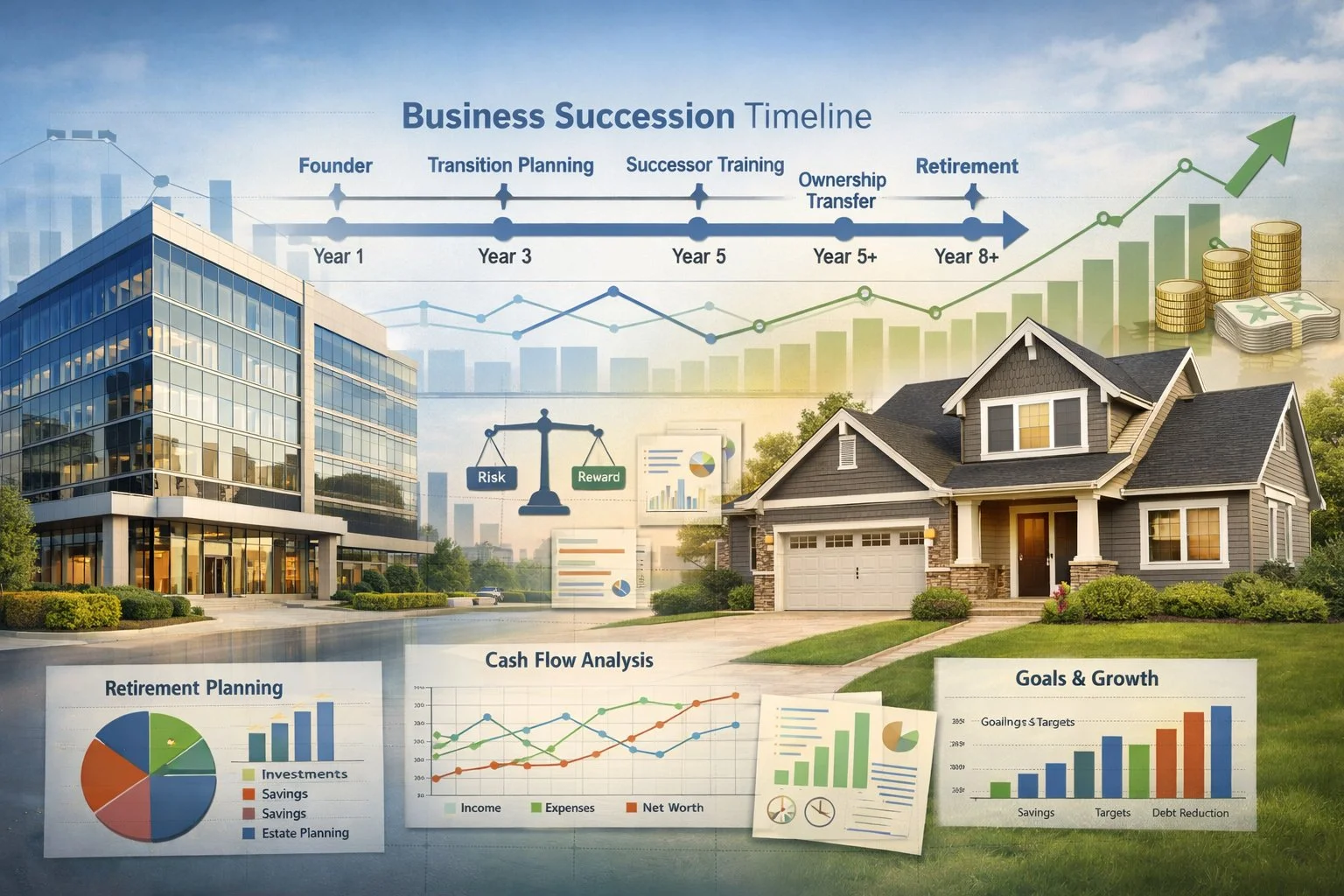
Business owners and high-earning professionals should evaluate property gifting as part of a broader tax and estate planning strategy rather than a standalone decision.
Real estate is often tied to overall wealth, investments, and retirement planning.
Key Planning Considerations
Professionals should review:
Total estate value
Business succession plans
Retirement income needs
Asset diversification strategies
Long-term tax exposure
Why Tax Strategy Matters
Property gifting can affect:
Estate tax obligations
Income tax planning
Asset protection structures
Intergenerational wealth transfer
Strategic planning often produces better financial outcomes than last-minute transfers.
What Questions Should Families Ask Before Gifting Property?

Families should evaluate financial, tax, legal, and emotional factors before transferring property ownership.
Important Questions to Consider
Do I still need income from this property?
Am I comfortable losing ownership control?
Will this gift create family conflict?
What taxes might my child face later?
Are there better estate planning alternatives?
How will this affect my retirement planning?
Answering these questions helps families make balanced and informed decisions.
Final Thoughts: Is Gifting Property the Right Move for Your Family?

Gifting property to children can be a powerful wealth transfer strategy. It can reduce estate taxes, simplify inheritance, and provide financial support during your lifetime. However, it also carries risks that many families overlook, especially related to tax consequences and loss of control.
The biggest mistake families make is treating gifting as a simple paperwork process. In reality, it is a major financial decision that affects multiple generations. Every family situation is different. What works for one household may create serious tax burdens or legal issues for another.
Careful planning, professional guidance, and open family communication are essential. When done correctly, property gifting can strengthen long-term financial stability and preserve family wealth.
Frequently Asked Questions
Is gifting property to children taxable?
Gifting property may require IRS reporting if it exceeds the annual gift exclusion. Taxes are only owed if lifetime gift limits are exceeded.
Do children pay taxes when receiving gifted property?
Children usually do not pay taxes when receiving the property. Taxes may apply later if they sell the property and owe capital gains tax.
Can parents still live in a gifted property?
Parents may continue living in the property only if legal arrangements allow it, such as a life estate agreement.
Is gifting property better than inheritance?
It depends on tax goals, estate size, and family financial plans. Inheritance often provides tax advantages through a step-up in basis.
Can gifting property affect eligibility for government benefits like Medicaid?
Yes. Large gifts made within the look‑back period (usually five years) can trigger penalties or delays in Medicaid eligibility because the transfer may be treated as a disqualifying transfer of assets.
Will gifting property to a child affect their ability to qualify for student financial aid or other need‑based programs?
It can. A gifted property may increase a child’s reported assets on financial aid forms, potentially reducing need‑based aid eligibility depending on the program’s rules and how assets are counted.
What happens if my child sells the gifted property soon after receiving it?
If the child sells the property, capital gains tax is based on the original cost basis from the parent. Selling soon after gifting can still result in a taxable gain if the sale price exceeds that original basis.