How to Use a Transfer on Death Deed to Pass Property to Your Children in the US

Gary Gal
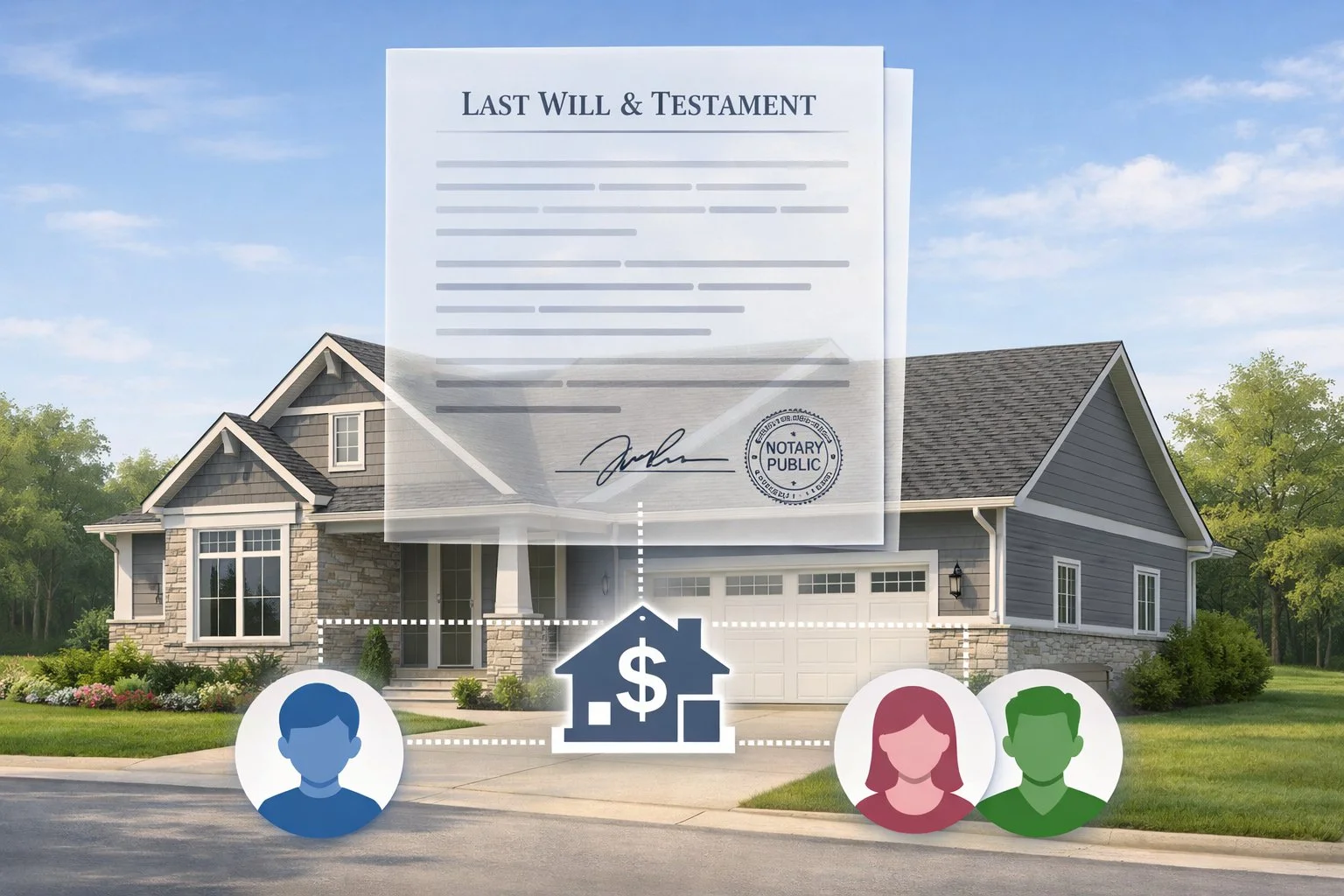
Passing property to your children should be straightforward. Yet for many families, real estate transfers turn into long probate delays, unexpected taxes, and legal stress that no one planned for.
A Transfer on Death Deed, also called a TOD deed, is one tool that can help avoid those problems. When used correctly and in the right situation, it lets parents pass real estate directly to their children without probate, while keeping full control during life. When used incorrectly, it can fail or even create new issues.
In this guide, you will learn:
What a Transfer on Death Deed is and how it works in the US
How to set one up step by step
The tax, debt, and Medicaid risks professionals should understand
When a TOD deed makes sense and when it does not
Let’s walk through it clearly and practically.
What Is a Transfer on Death Deed (TOD Deed) in the US?
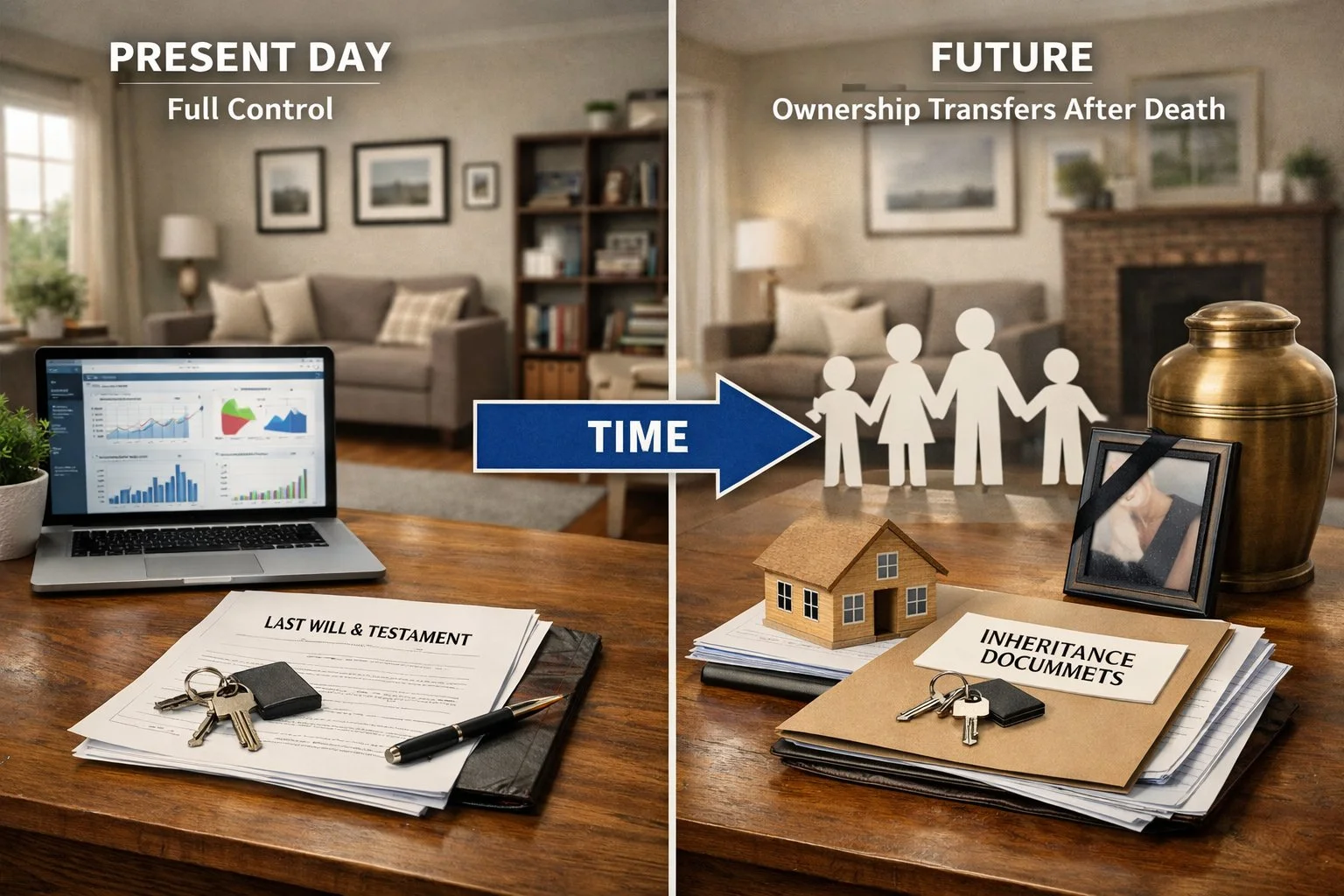
A Transfer on Death Deed is a legal document that allows real estate to pass directly to your children when you die, without going through probate. You keep full ownership and control of the property while you are alive.
In simple terms:
The deed names beneficiaries, usually your children
Ownership transfers only after your death
The property skips probate in states that allow TOD deeds
Important details:
TOD deeds apply only to real estate
They are revocable at any time
Beneficiaries have no rights until death
Some states call these “beneficiary deeds,” but the function is the same.
Who Should Use a Transfer on Death Deed and Who Should Not?

A TOD deed is best for simple family and property situations, not complex estates. It works well when the goal is probate avoidance without giving up control.
A TOD deed may be a good fit if you:
Own one primary home or a small number of properties
Want your children to inherit equally and directly
Do not want to set up a living trust
Want to keep the right to sell or refinance
A TOD deed may not be appropriate if you:
Own property in multiple states
Have blended families or unequal inheritance plans
Are planning for Medicaid or long-term care
Have high creditor or lawsuit exposure
For business owners, the decision should factor in debt, taxes, and future risk, not just simplicity.
How Does a Transfer on Death Deed Work in the US?

A Transfer on Death Deed works by delaying ownership transfer until death while keeping control with the owner during life. Nothing changes legally until the owner passes away.
Here is how it works in practice.
During your lifetime
You remain the sole owner
You can sell, refinance, or revoke the deed
Your children have no ownership rights
At death
The TOD deed becomes effective automatically
Probate is avoided for that property
After death
Your children file a death certificate
Required affidavits are recorded with the county
Title transfers into their names
If the deed was not prepared or recorded correctly, this process can break down.
Which States Allow Transfer on Death Deeds in the US?
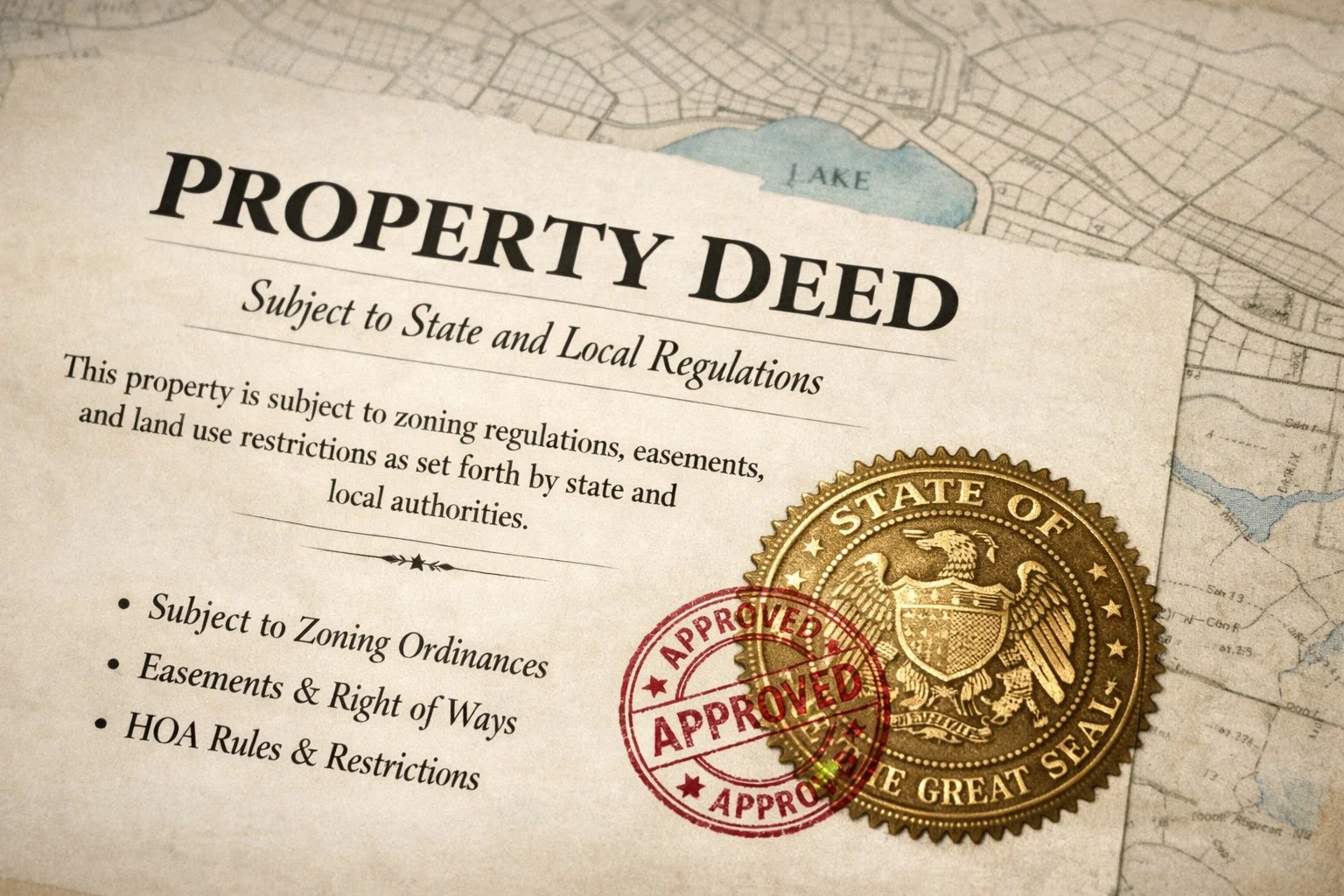
Transfer on Death Deeds are allowed in about 30 states plus Washington DC, but not nationwide. State law controls whether a TOD deed is valid.
Key points to understand:
The law of the property’s location applies
Living in a TOD state does not help if the property is elsewhere
Each state has its own rules and forms
Some states that do not allow TOD deeds offer alternatives, such as Lady Bird deeds. This is common in Florida and Michigan.
Always confirm state rules before relying on a TOD deed.
How Do You Set Up a Transfer on Death Deed Step by Step?
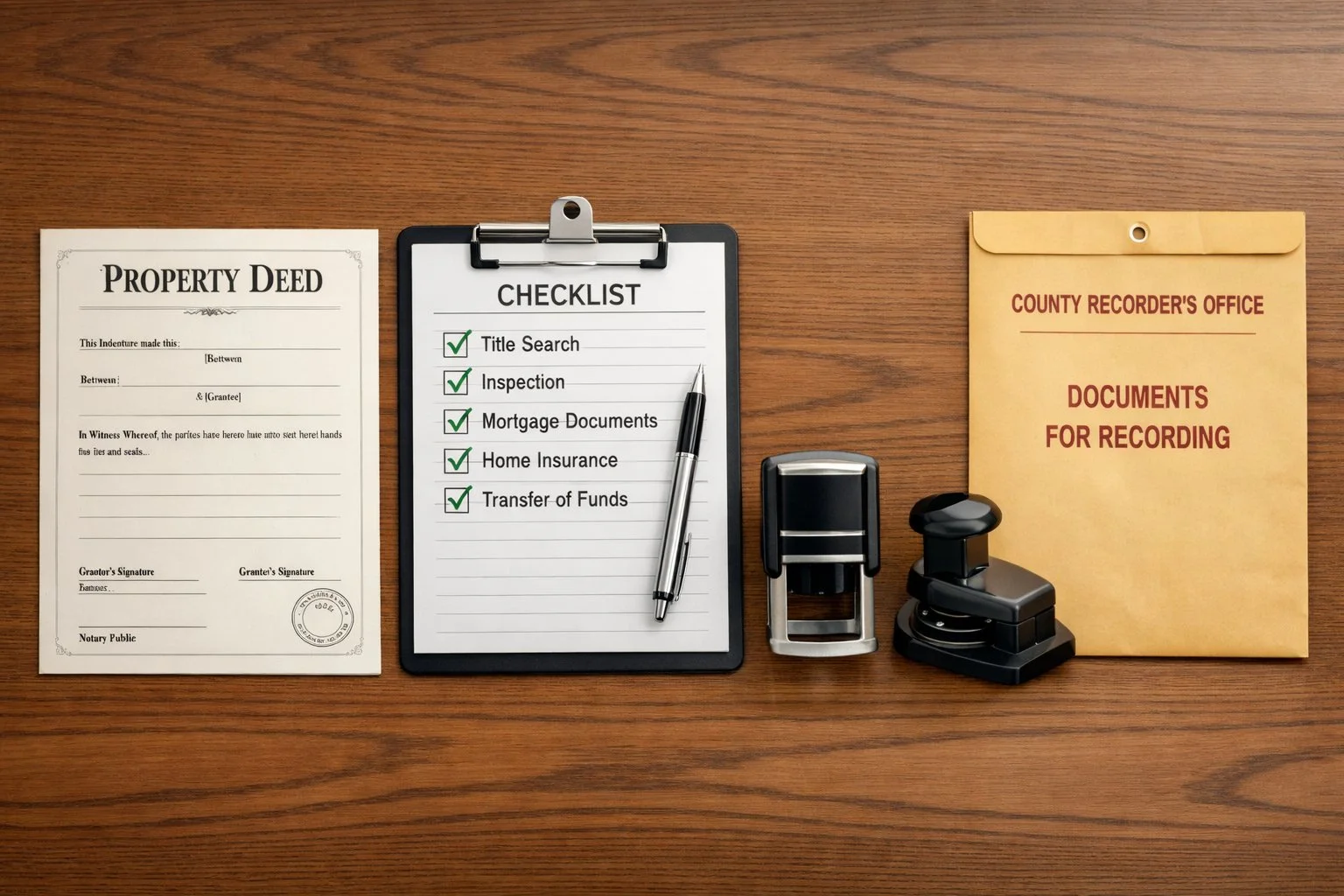
A TOD deed only works if every step is done properly. Skipping one step can invalidate the entire transfer.
Step 1: Confirm Your State Allows TOD Deeds
Before doing anything else:
Verify that your state recognizes TOD or beneficiary deeds
Confirm that the deed applies to your type of property
Never assume based on another state’s rules.
Step 2: Use the Correct State Specific Form
TOD deeds are highly technical documents.
You should:
Use a state approved form or attorney drafted deed
Follow statutory language exactly
Generic templates are one of the most common reasons TOD deeds fail.
Step 3: Identify the Property Accurately
You must use:
The full legal description from the current deed
Not just the street address or tax ID
A wrong legal description can void the deed.
Step 4. Name Children and Ownership Structure Clearly
When naming beneficiaries:
Use full legal names
Specify ownership type if naming multiple children
Options often include:
Tenants in common, equal or unequal shares
Joint tenancy, depending on state law
You should also:
Name alternate beneficiaries\
Plan for what happens if a child dies before you
Step 5: Sign, Notarize, and Witness as Required
Most states require:
Signing in front of a notary
Some require witnesses
You must also be mentally competent when signing. Challenges to capacity are a common cause of disputes.
Step 6: Record the Deed Before Death
Recording is critical.
You must:
File the deed with the county recorder
Pay the required recording fee
Do this before death
An unrecorded TOD deed often has no legal effect.
How Should You Name Children as Beneficiaries on a TOD Deed?
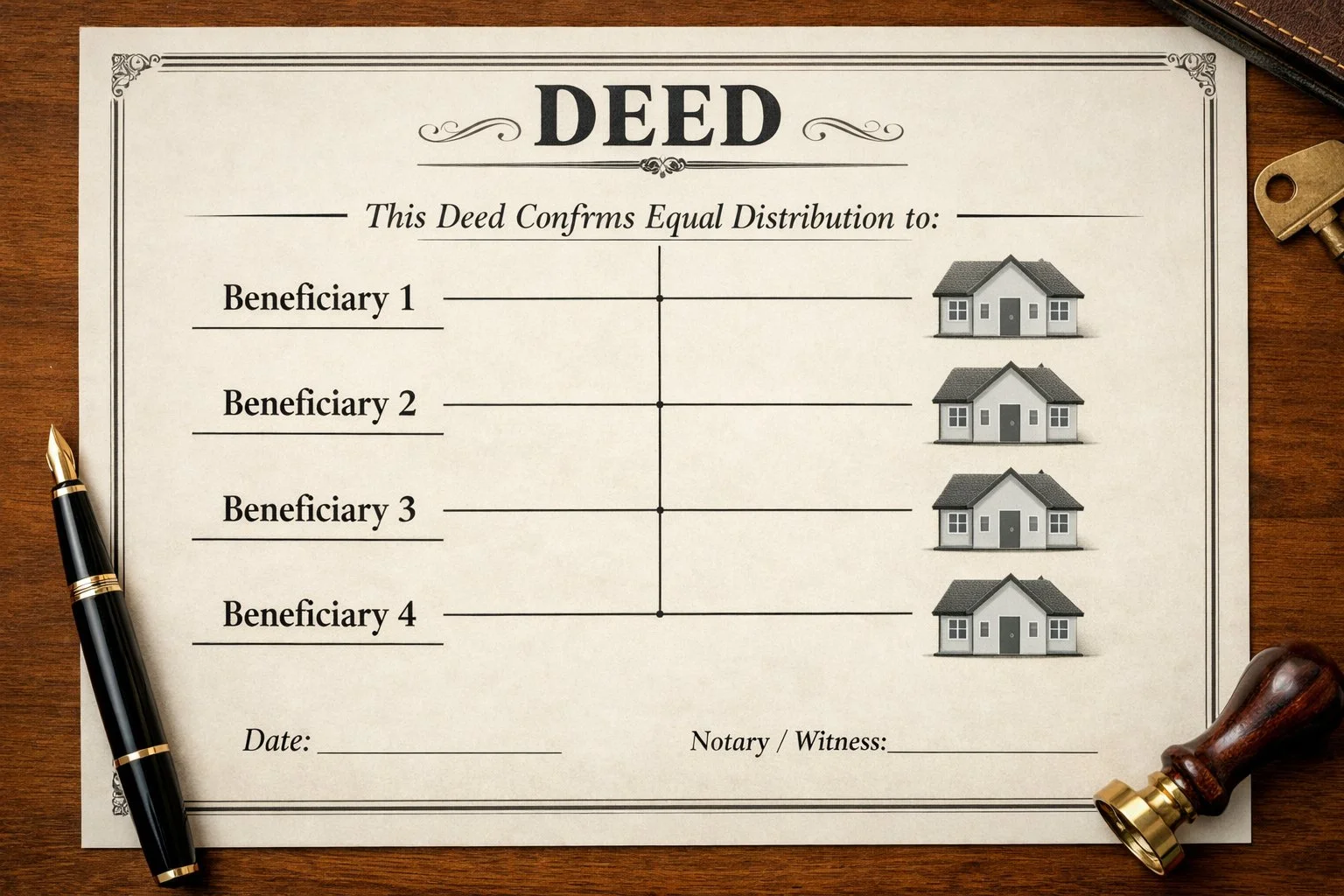
Children should be named clearly and precisely on a TOD deed to avoid disputes or probate. Small mistakes in naming can undo the benefit of the deed.
Best practices include:
Use full legal names, not nicknames
Specify equal or unequal shares
Define ownership structure for multiple children
If one child dies before you:
Their share may pass to surviving siblings
Or fall into probate if no alternate is named
If a child is a minor:
A custodian may be required
Court involvement may still occur
Planning for these scenarios is critical.
What Are the Tax Implications of Using a Transfer on Death Deed?

Using a TOD deed usually preserves favorable tax treatment for inherited property. The biggest tax benefit is the stepped-up basis.
Capital gains tax
In most cases:
Children receive the property at fair market value on the date of death
Capital gains tax is based on that value, not what you paid
This can significantly reduce taxes if the property is sold.
Gift tax
A TOD deed is not an immediate gift.
No gift tax is triggered when the deed is recorded
Transfer happens only at death
Estate tax
Most families are below federal estate tax thresholds
Some states impose estate or inheritance taxes
This depends on total estate value and location.
What Happens to Mortgages, Liens, and Debts With a TOD Deed?

A TOD deed does not eliminate mortgages, liens, or debts tied to the property. Your children inherit the property subject to all existing obligations.
This includes:
Mortgages and HELOCs
Property tax liens
Judgment or business-related liens
For business owners:
Real estate used as collateral remains encumbered
Lenders retain their rights
Children should understand these obligations before inheriting.
How Does a Transfer on Death Deed Affect Medicaid Eligibility?
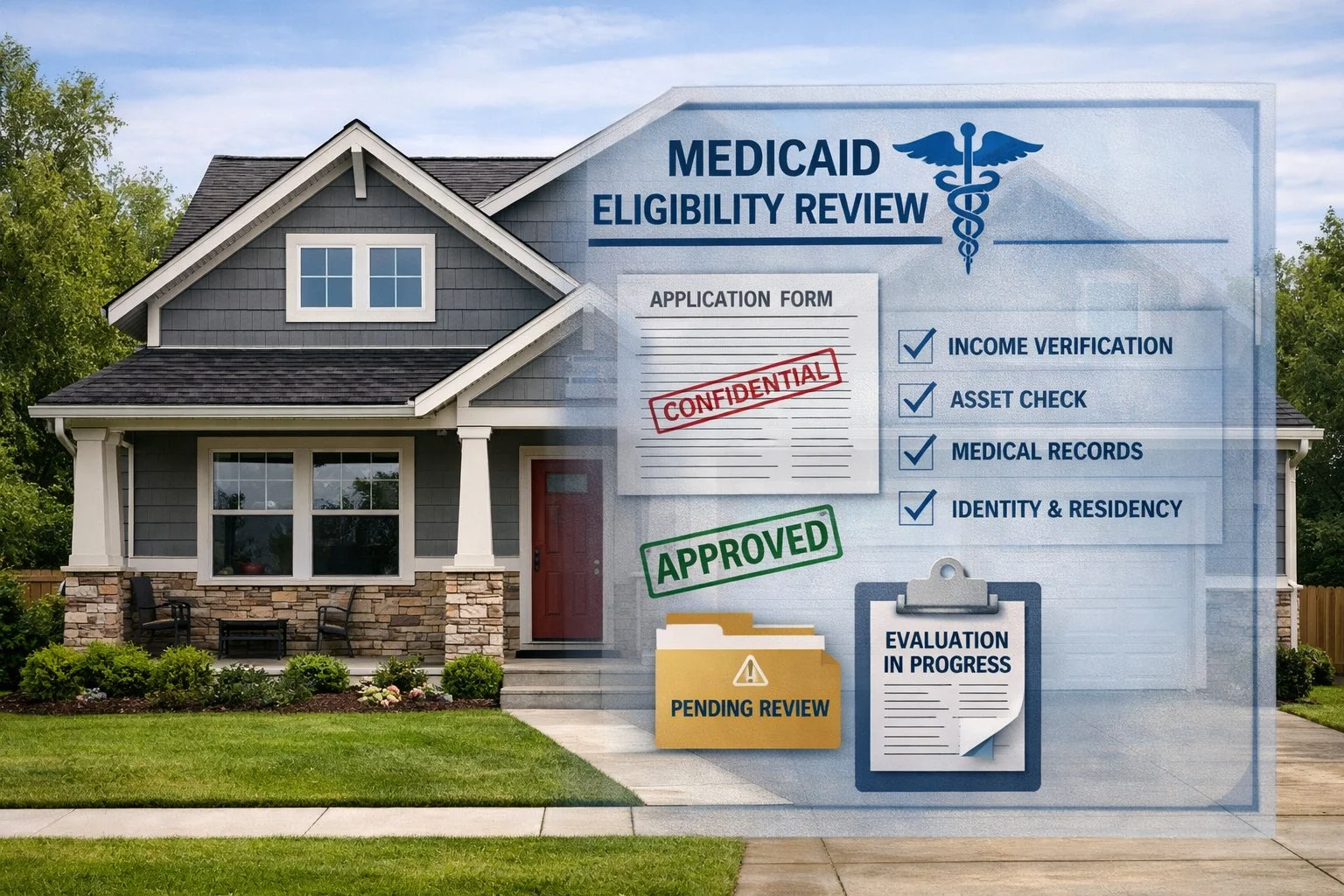
A Transfer on Death Deed does not protect property from Medicaid rules. In many cases, it can still affect eligibility and estate recovery.
Important considerations:
States may treat TOD deeds as available resources
Medicaid look-back rules may apply
Estate recovery can still occur after death
If long-term care planning is a concern, a TOD deed alone is not sufficient.
How Does a Transfer on Death Deed Compare to Other Property Transfer Options?

A TOD deed is one of several ways to pass property, each with tradeoffs.
TOD deed vs will
TOD avoids probate
Wills do not avoid probate for real estate
TOD deed vs living trust
Trusts manage multiple assets and incapacity
TOD deeds apply only to real estate
TOD deed vs gifting during life
Gifting loses stepped-up basis
TOD preserves tax benefits
TOD deed vs adding a child to the deed
Adding a child creates immediate ownership and risk
TOD keeps control until death
To understand more the comparison between TOD, will, living trust, gifting during life and adding a child to the deed, check our comprehensive guide about How to Transfer Real Estate to Children in the US.
What Mistakes Can Invalidate a Transfer on Death Deed?
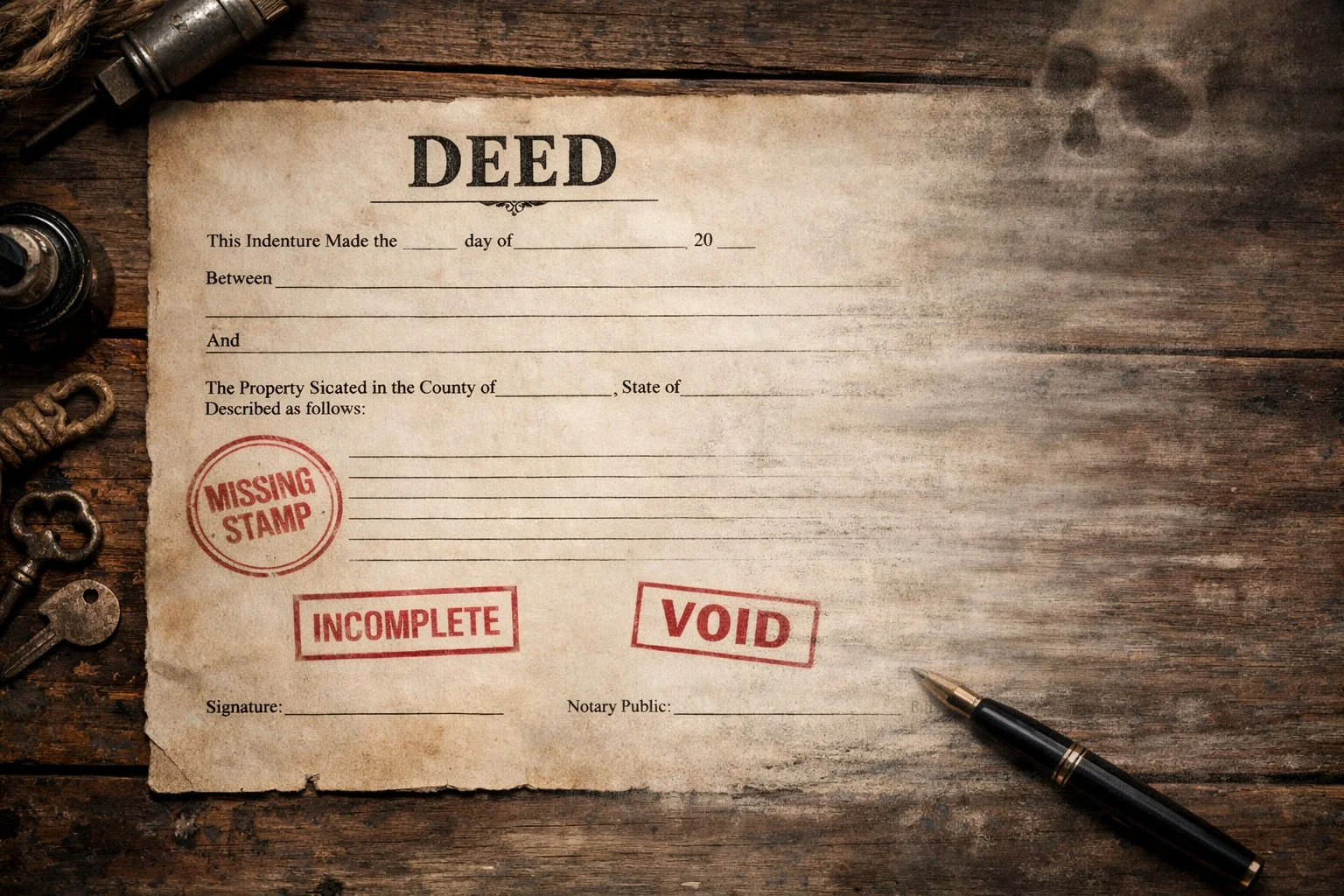
Many TOD deeds fail due to avoidable errors. These mistakes often surface only after death.
Common problems include:
Using the wrong form
Failing to record the deed
Incorrect legal descriptions
Conflicts with trusts or wills
Not updating after major life changes
Regular review is essential.
Final Thoughts: When Does a Transfer on Death Deed Make Sense for US Families?

A Transfer on Death Deed makes sense when the estate is simple and the goal is to avoid probate while keeping control. It works best when tax, debt, and family risks are clearly understood.
It is most effective when:
Property is located in a TOD-friendly state
Inheritance plans are straightforward
No Medicaid or complex creditor planning is needed
For professionals and business owners, a TOD deed should be part of a broader tax and compliance strategy, not a standalone fix.
Before recording a deed, review your situation carefully. Once death occurs, mistakes are often permanent.
Frequently Asked Questions
Does a TOD deed avoid probate?
Yes, for the property it covers, in states where TOD deeds are allowed.
Can I sell my property after recording a TOD deed?
Yes. You retain full ownership and control.
Do children owe capital gains tax when they inherit?
Usually less than with a lifetime gift, due to the stepped-up basis.
Can creditors claim the property after death?
Yes. Valid liens and claims may still apply.
Can a TOD deed be revoked?
Yes. It is revocable at any time during life.
What happens if the named beneficiary dies before the property owner?
If a beneficiary dies first, the TOD deed typically lapses, and the property may pass under your will or intestacy rules.
Will existing mortgages or liens stay with the property after transfer?
Yes, the property still carries any mortgages, liens, or debts when it transfers to beneficiaries.