How NY Handles Sales Tax on Business Purchases and Resale Exemptions

Gary Gal
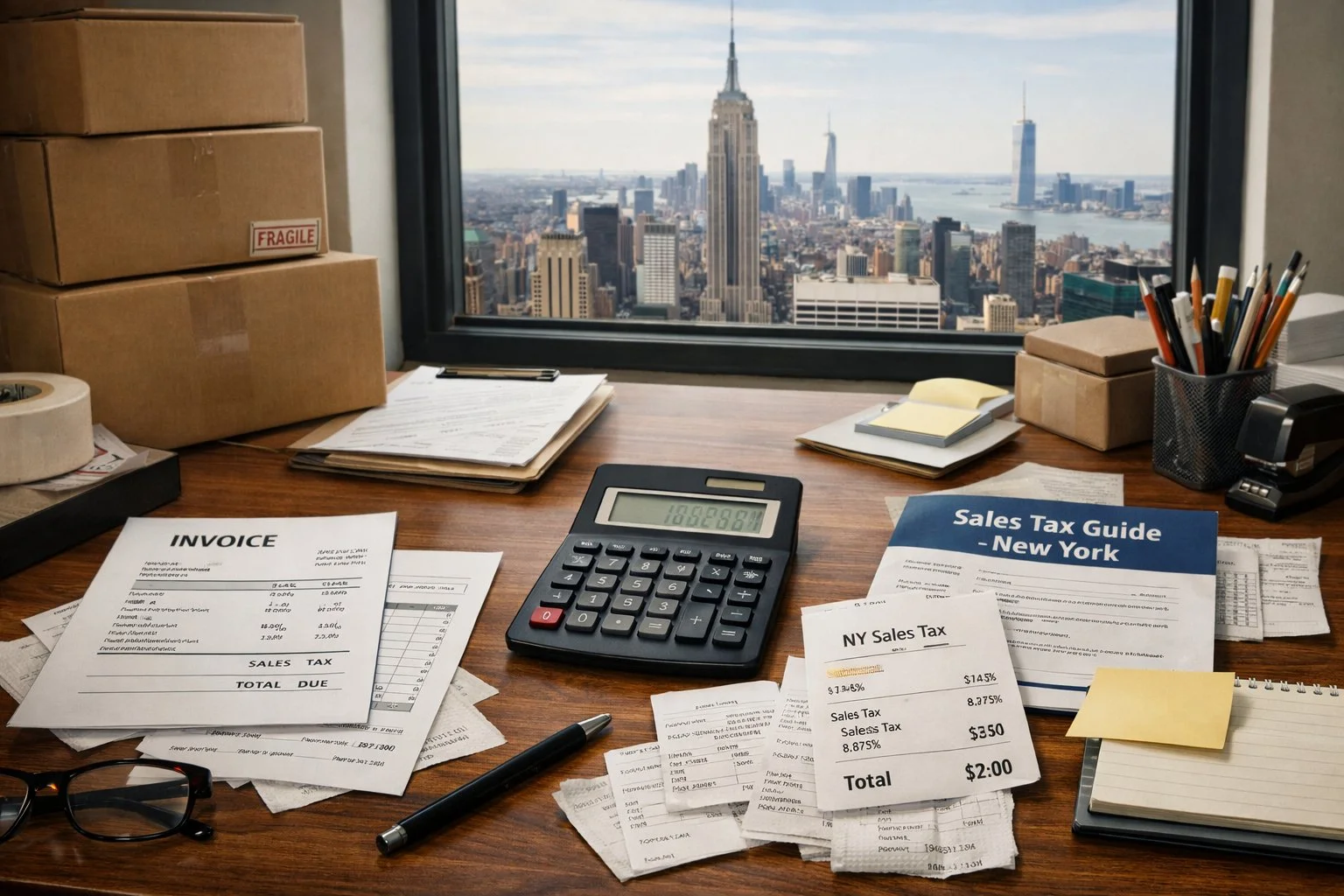
Sales tax in New York has a reputation. It is detailed, strict, and not very forgiving when mistakes happen. Many business owners assume sales tax only matters when they sell something. That is not true. In New York, sales tax rules apply just as much to what you buy as to what you sell.
This is where confusion usually starts. Can you buy items tax-free for your business? When is a resale exemption allowed? What happens if you use inventory instead of selling it? And who gets in trouble if something is done wrong?
This guide breaks it all down, and by the end of this article, you will understand:
When New York charges sales tax on business purchases
How resale exemptions work and when they apply
What Form ST-120 is and how to use it correctly
What use tax is and why many businesses miss it
How to stay compliant and avoid penalties
Sales Tax Basics Every NY Business Must Understand
New York charges sales tax on most retail sales of tangible personal property. That sounds complex, but it simply means physical items you can touch. Furniture, supplies, equipment, and many services also fall under these rules.
There are two types of taxes businesses deal with:
Sales tax: Charged at the time of purchase
Use tax: Owed when sales tax was not charged but should have been
The state sales tax rate is 4 percent. On top of that, counties and cities add their own tax. In New York City, the combined rate is 8.875 percent. The exact rate depends on where the buyer takes possession of the item.
New York uses destination-based sourcing. That means the tax rate is based on where the item is delivered or picked up, not where the seller is located.
What Counts as a Taxable Business Purchase in New York

Many business owners think that if something is for work, it must be tax-free. That is one of the most common mistakes.
In New York, most business purchases are taxable unless a specific exemption applies.
Common taxable business purchases include:
Office supplies like paper, ink, and computers
Office furniture and fixtures
Equipment and tools
Machinery that does not qualify for a manufacturing exemption
Taxable services
If you buy something to use in running your business, you usually pay sales tax on it.
Understanding which purchases are taxable is just one part of managing your business finances. To see which of your purchases qualify as deductible business expenses in New York, check out our full guide about "What Counts as a Business Expense in New York".
The Resale Exemption Explained: How It Actually Works in NY
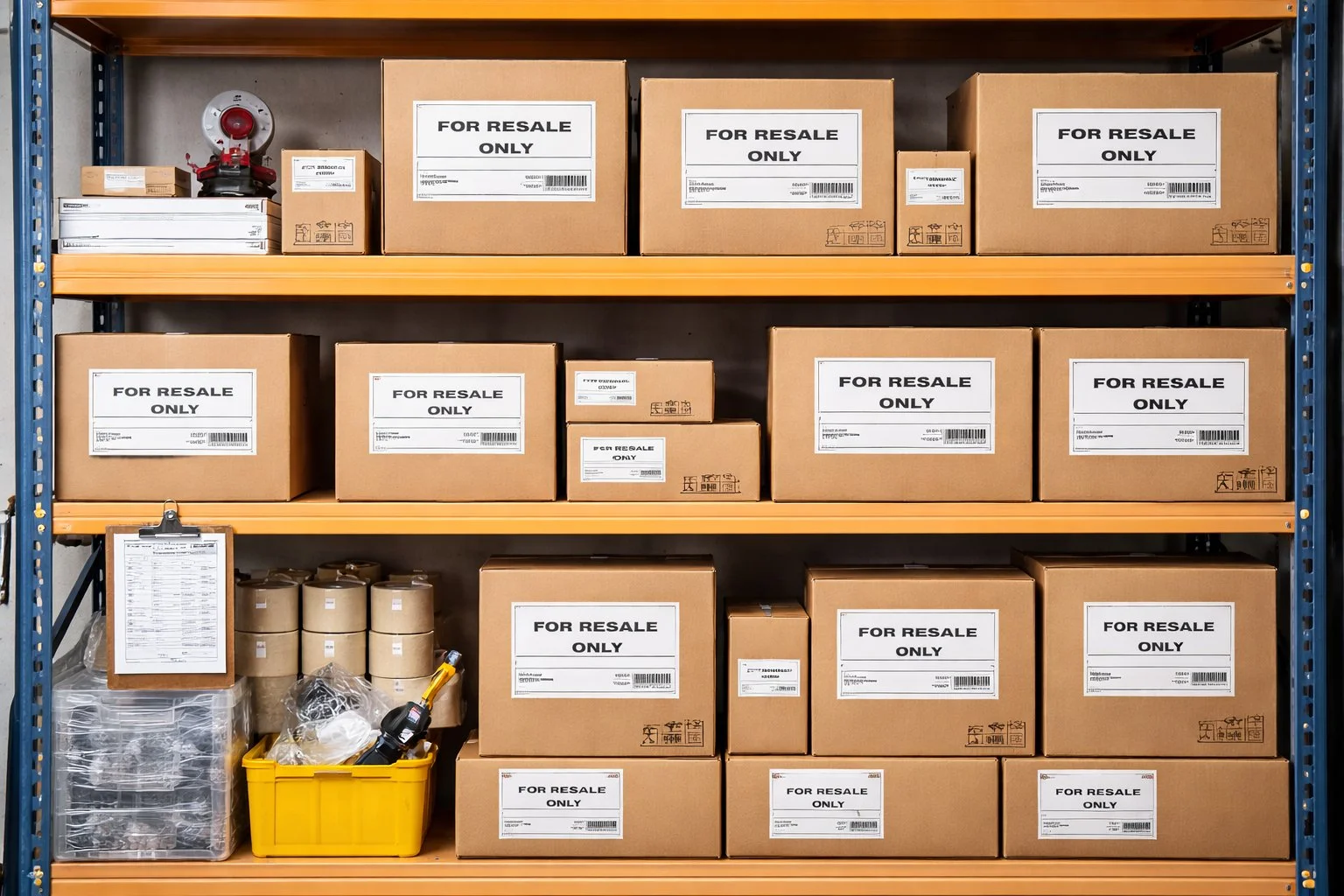
The resale exemption exists to prevent double taxation. New York does not want an item taxed once when a business buys it and again when the business sells it to a customer.
A resale exemption allows a registered business to buy items without paying sales tax if:
The item is bought only to be resold
The item is sold in the same form, or as part of a finished product
For example:
A clothing store buying shirts to sell
A bakery buying flour to make bread for sale
A retailer buying packaged products for inventory
If the item is not meant to be sold, the resale exemption does not apply.
Certificate of Authority: The Gatekeeper to All Resale Exemptions
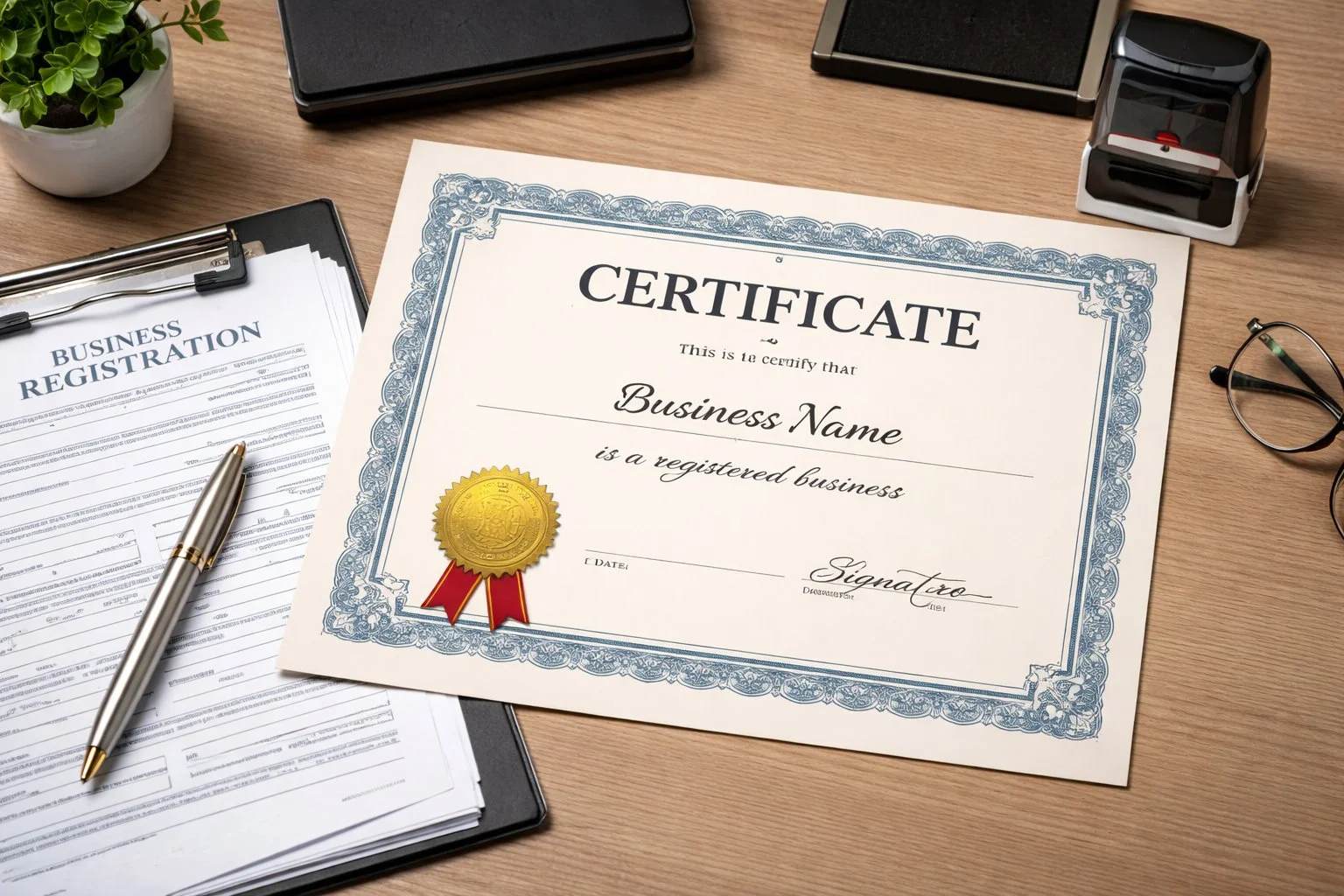
Before a business can use any resale exemption, it must register with New York State and obtain a Certificate of Authority.
This certificate allows a business to:
Collect sales tax from customers
Issue resale certificates
Accept exemption certificates
Without this certificate, a business is not legally allowed to claim resale exemptions. Operating without one can lead to serious penalties, even if no tax was owed.
Businesses must apply at least 20 days before starting taxable sales.
Form ST-120: How to Properly Use a NY Resale Certificate
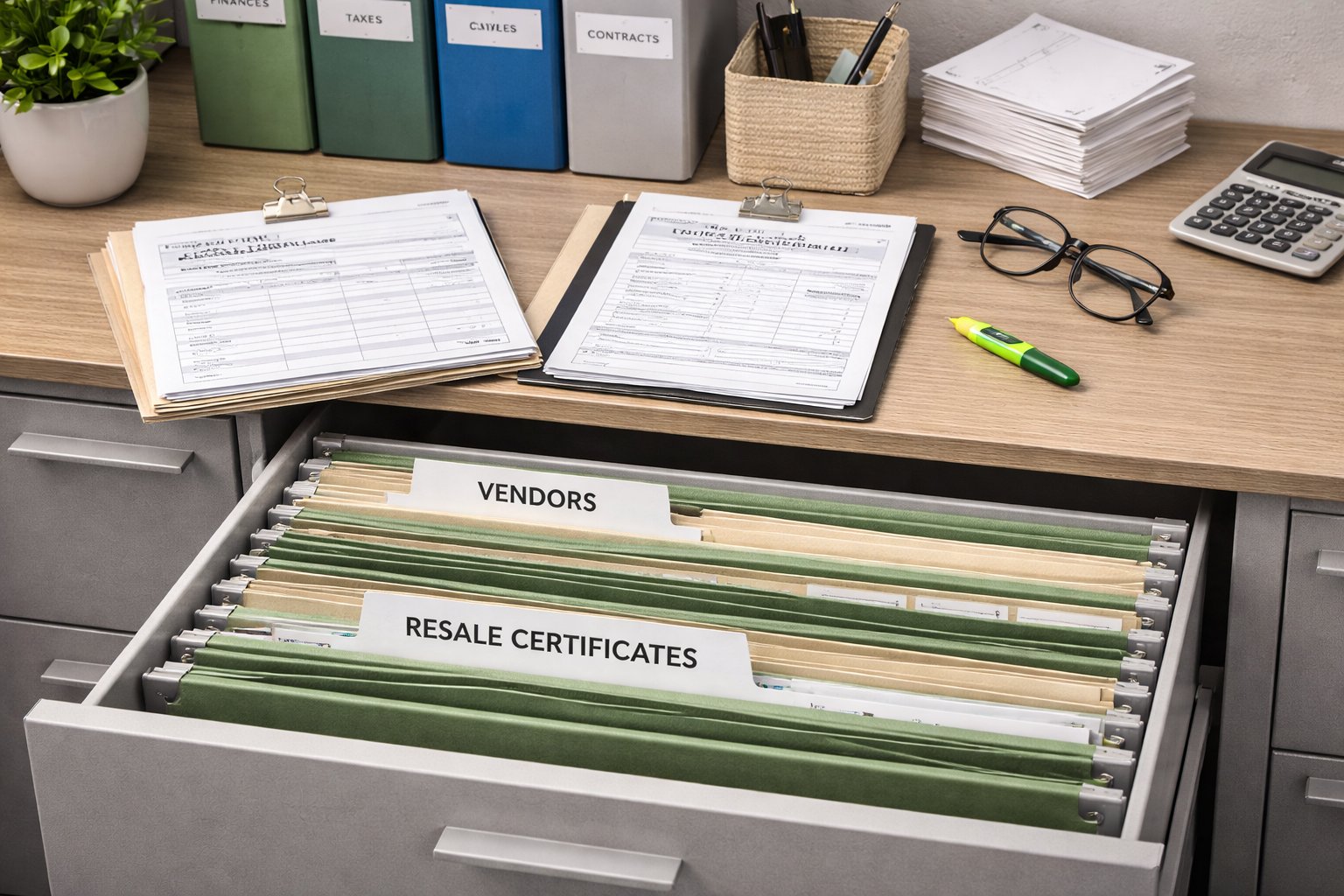
Form ST-120 is the New York resale certificate.
When a registered business buys items for resale, it gives this form to the seller. By accepting the form in good faith, the seller does not charge sales tax on the purchase.
Key points to understand:
The buyer must be registered
The form must be completed correctly
The seller keeps the form for their records
The buyer then collects sales tax from the final customer when the item is sold.
Timing rules
The resale certificate should be provided at the time of purchase. New York allows up to 90 days after the sale in most cases, but waiting increases risk.
Blanket certificates
If a business regularly buys resale items from the same vendor, a single blanket certificate can cover ongoing purchases. This avoids filling out a new form every time.
What Is NOT Covered by the Resale Exemption

Resale exemptions are limited. They do not apply just because something comes from inventory.
Items not covered include:
Office or store supplies
Equipment used by the business
Display items
Samples not sold to customers
If an item is taken out of inventory and used by the business, it is no longer considered a resale item.
Use Tax: The Most Overlooked Sales Tax Liability for NY Businesses
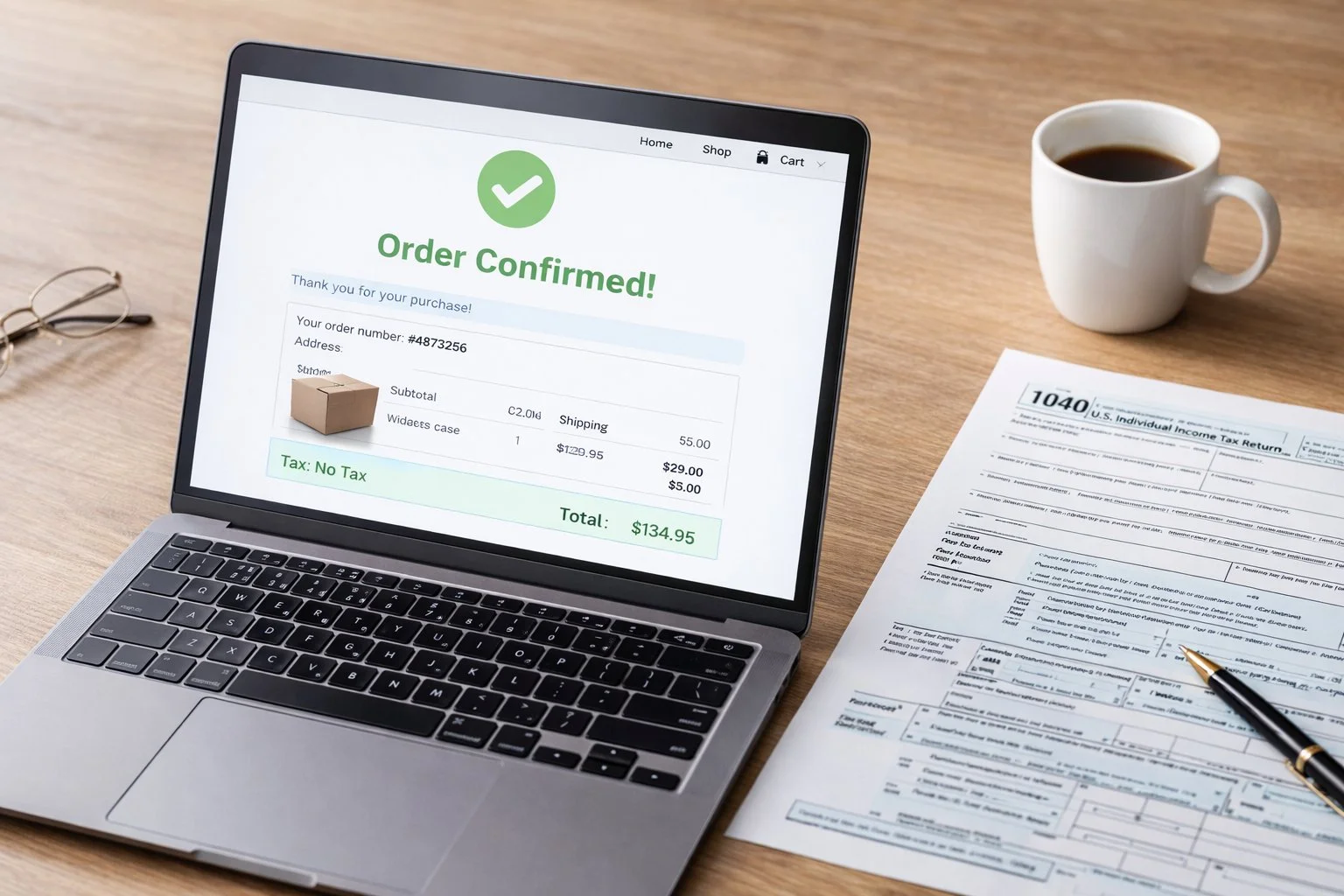
Use tax is sales tax in disguise.
If a business buys something without paying New York sales tax and then uses it in New York, use tax is owed.
Common situations where use tax applies:
Inventory used internally instead of sold
Items bought online without tax
Purchases from out-of-state vendors
Equipment moved into New York
For example, if a store takes a product from inventory and uses it as a display, the business owes use tax on that item.
Use tax is reported on the business’s sales tax return. Ignoring it does not make it go away.
Seller vs Purchaser Responsibility: Who Is on the Hook
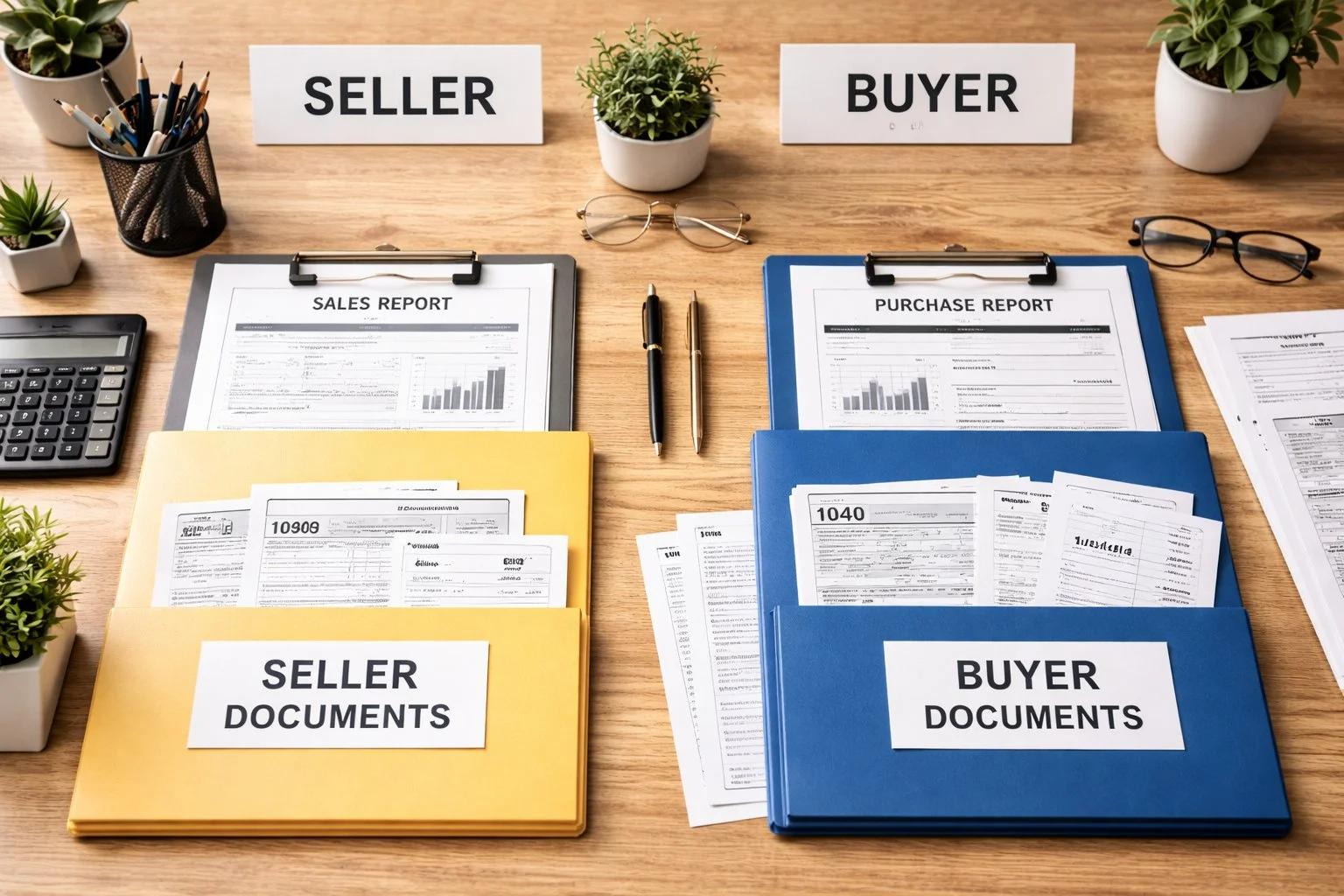
Sales tax responsibility is shared, but not equally.
Seller responsibilities
Collect sales tax unless a valid exemption is provided
Keep exemption certificates on file
Accept certificates in good faith
Purchaser responsibilities
Use exemptions correctly
Pay use tax when required
Provide accurate documentation
If a resale certificate is invalid or misused, New York may go after either party. Proper documentation protects both sides.
Recordkeeping Rules and Audit Readiness
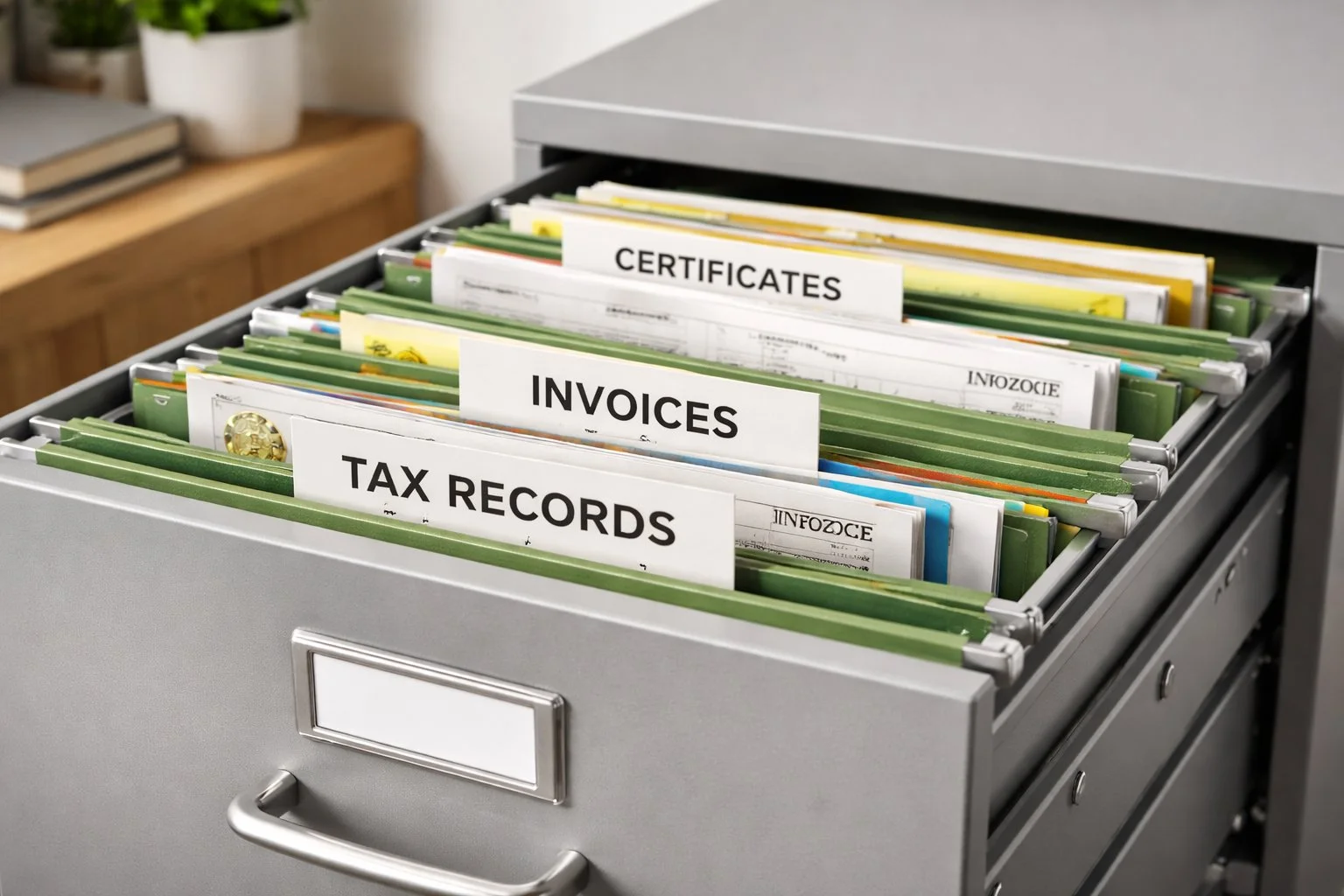
New York requires sellers to keep exemption certificates for at least three years after the related tax return is due.
Good recordkeeping includes:
Copies of all resale certificates
Purchase invoices
Sales records
Use tax calculations
During an audit, missing paperwork often leads to tax assessments even if the transaction should have been exempt.
Penalties and Consequences of Misusing Resale Exemptions
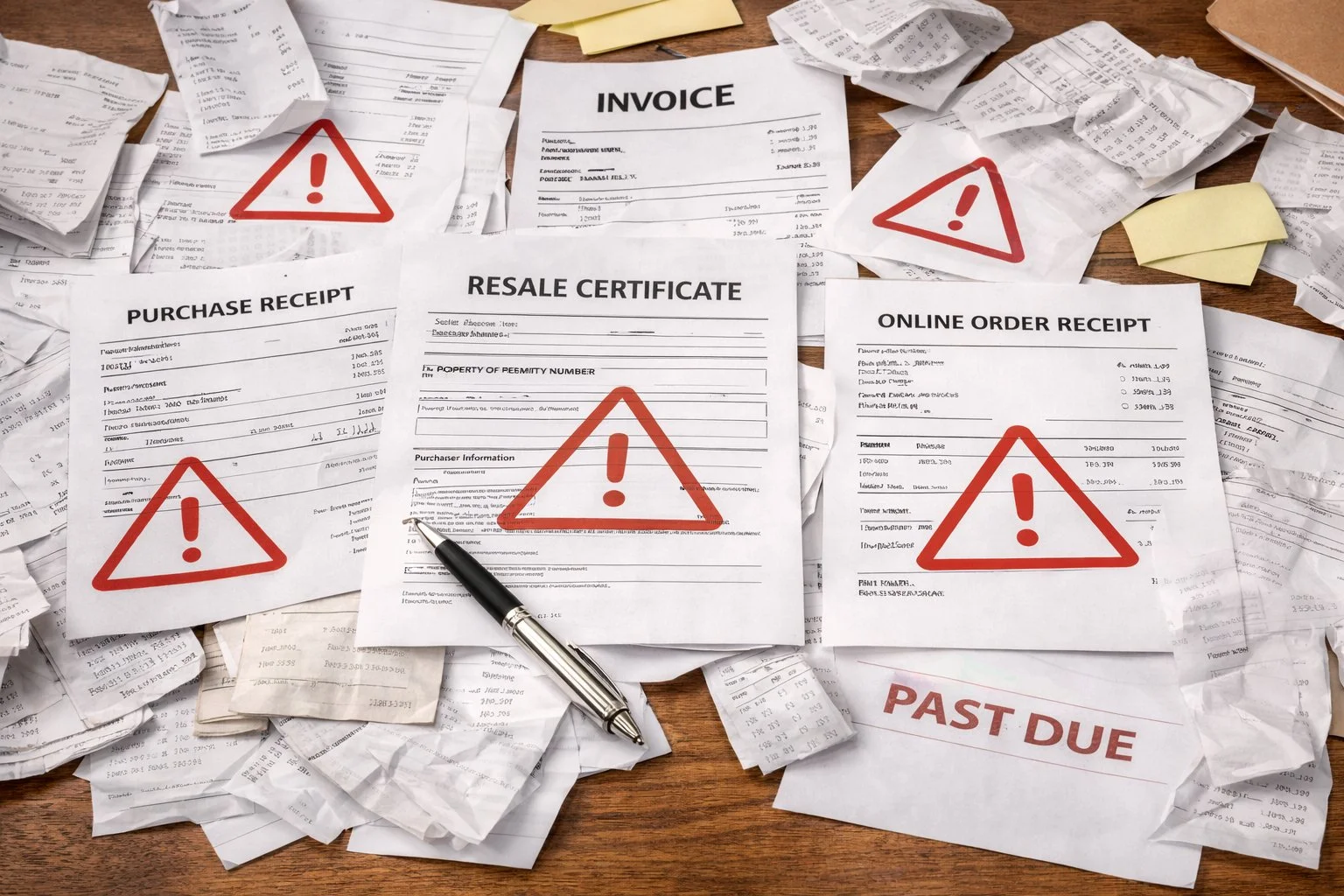
Misusing resale certificates is taken seriously.
Possible consequences include:
Back taxes
Interest charges
Civil penalties
Criminal penalties in severe cases
Claiming ignorance usually does not help. New York expects businesses to understand and follow the rules.
Common Mistakes Businesses Make
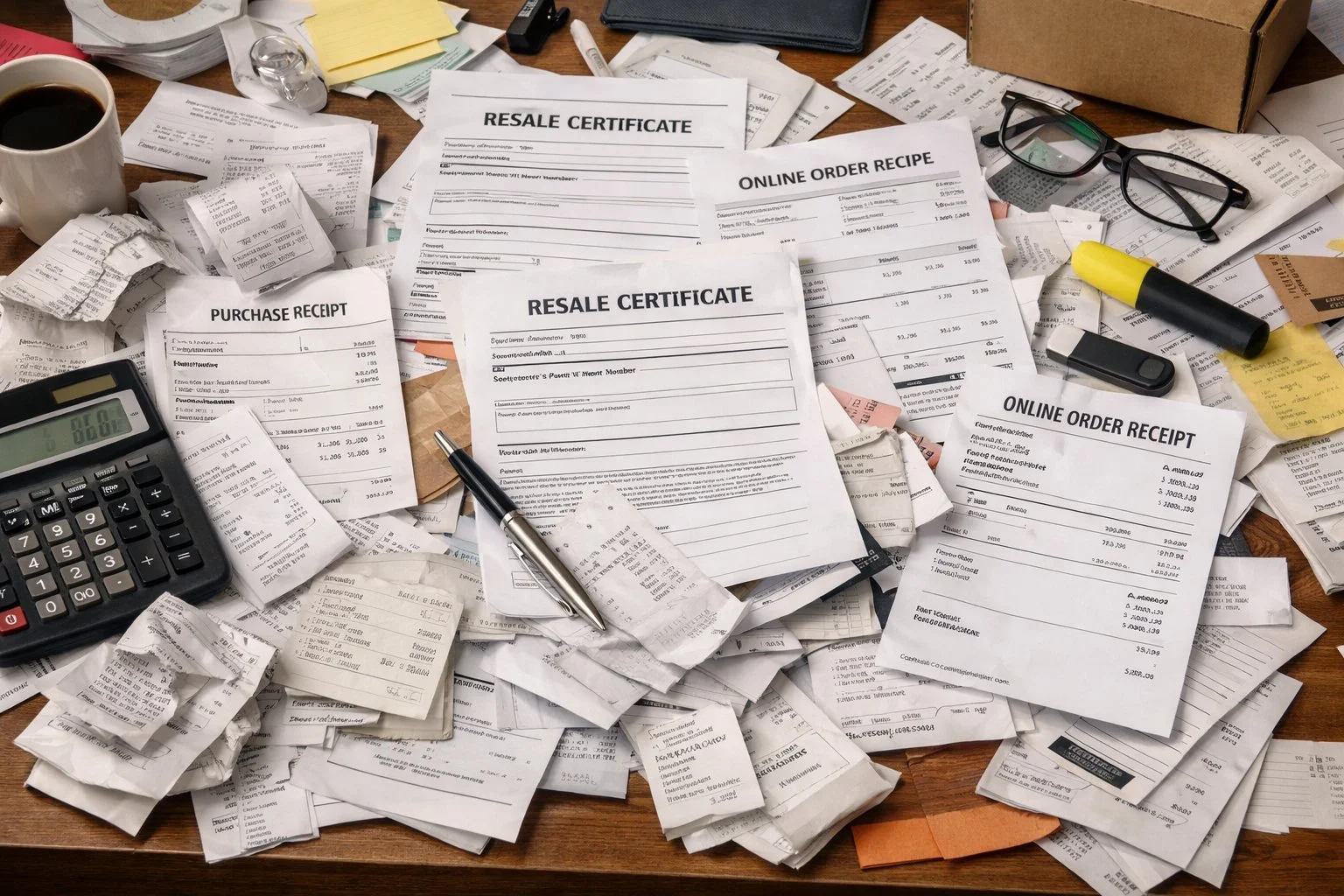
Some mistakes show up again and again:
Using resale certificates for office supplies
Forgetting to report use tax
Assuming online purchases are tax-free
Not registering before issuing certificates
The fix is simple. Slow down, document everything, and review purchases regularly.
Practical Checklist for NY Businesses
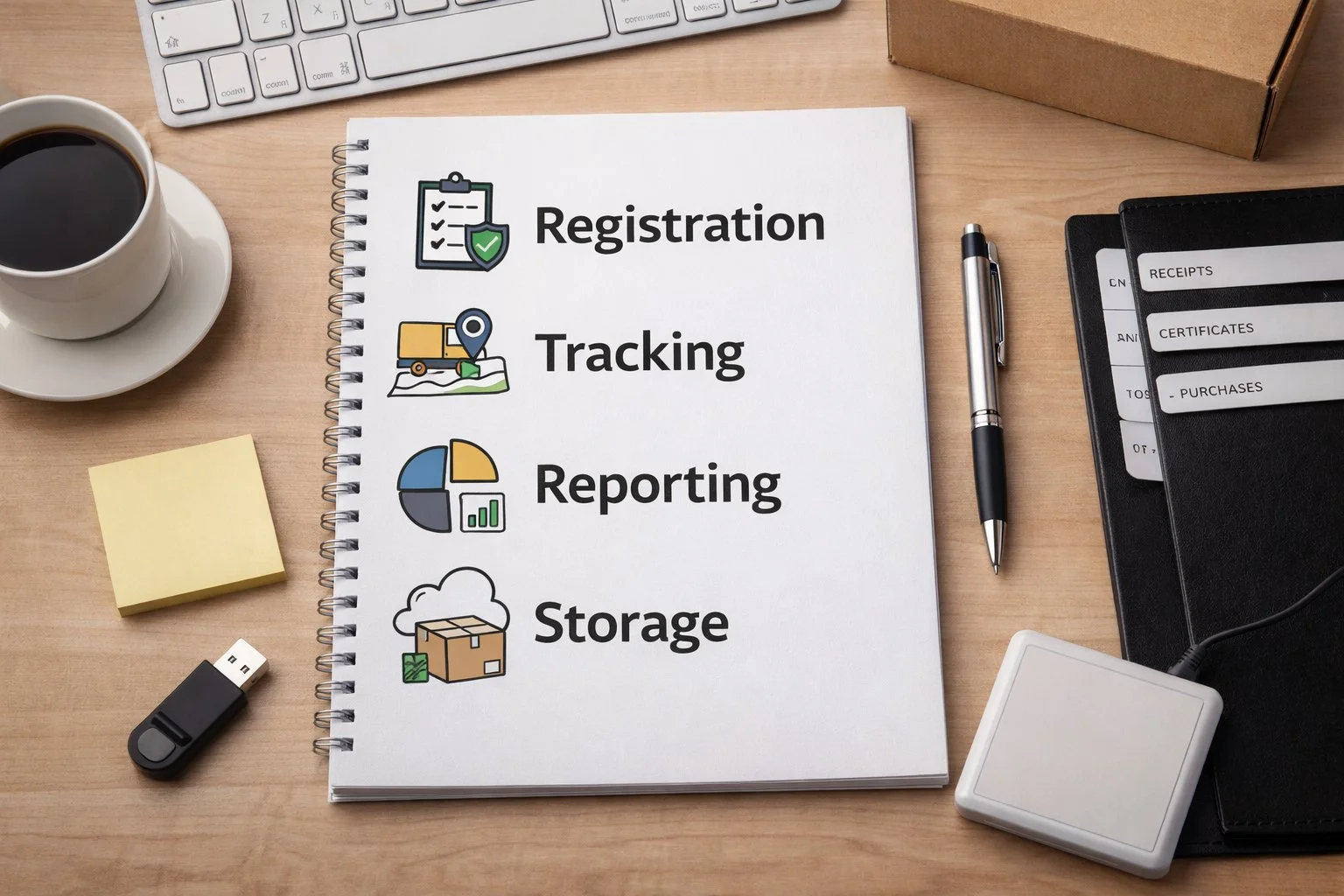
Here is a simple checklist:
Register and obtain a Certificate of Authority
Use Form ST-120 only for resale items
Track inventory usage carefully
Report use tax when required
Store certificates and invoices securely
Review compliance at least once a year
Final Thoughts: Staying Compliant and Knowing When to Get Help
New York sales tax rules are strict, but they are manageable when you understand how they work. Most business purchases are taxable. Resale exemptions are allowed, but only when they are used correctly and backed by proper paperwork.
The safest approach is simple:
Register your business and keep your Certificate of Authority active
Use resale certificates only for items you truly plan to resell
Track when inventory is used instead of sold
Report use tax when sales tax was not charged
Keep good records in case New York asks questions later
Even careful business owners can run into gray areas. This is where a tax professional can help. Getting advice is smart if you run a growing business, sell in multiple locations, deal with inventory that has mixed use, or are unsure whether a purchase qualifies for an exemption.
Sales tax problems usually grow when they are ignored. A quick review today can prevent penalties, interest, and stress later.
When handled correctly, New York sales tax does not have to be a constant worry. It just needs attention, accuracy, and the right support when things get complicated.
Frequently Asked Questions
How does the resale exemption work in New York?
A resale exemption lets businesses buy items tax-free if they plan to resell them. The buyer provides a properly completed Form ST-120 to the seller, who then does not charge sales tax. The tax is collected only when the item is sold to the final customer.
What purchases are exempt from sales tax in NY?
Items purchased for resale or certain qualifying uses, like manufacturing inputs, are exempt. Regular office supplies, equipment, or items used internally are not exempt. Exemptions require the right certificate and proper documentation.
Do businesses pay sales tax on inventory in New York?
No, businesses do not pay sales tax on inventory they plan to resell. However, if inventory is later used internally (like for displays), the business owes use tax on its value.
When can you use a NY resale certificate?
You can use a resale certificate when buying tangible personal property to resell in the normal course of business. Only businesses with a New York Certificate of Authority can issue or use Form ST-120.
Is resale tax exempt in New York State?
Yes, resale purchases are exempt from sales tax when the buyer provides a valid resale certificate, and the items are meant for resale. Misusing the exemption for personal or business use can trigger penalties and tax liability.
Can you use a resale certificate for items partially used in your business?
No. A resale certificate only applies to items intended for resale. If you use part of the inventory for your own business, you must pay use tax on that portion.
What happens if you incorrectly claim a resale exemption in New York?
You may owe the unpaid sales tax plus penalties and interest. New York requires proper documentation, and errors can trigger audits or additional assessments.