What Counts as a Business Expense in New York? A Simple Guide for Small Business Owners

Gary Gal

Running a business in New York can feel expensive. Rent is high, taxes are confusing, and every dollar matters. That is why many business owners end up asking the same question.
What counts as a business expense in New York?
In simple terms, a business expense in New York is generally deductible if it is ordinary and necessary for running your business. Most allowable expenses follow federal IRS rules, with additional New York State and local requirements for documentation and compliance.
Understanding that definition is only the starting point. Knowing which expenses qualify, which do not, and how to track them correctly can make a real difference when tax time comes around.
In this guide, we will explain everything, and by the end of this article, you will understand:
What makes an expense deductible in New York
Which business expenses are commonly allowed
Which expenses are not deductible
How New York rules compare to IRS rules
What records do you need to keep to stay compliant
How Business Expense Deductions Work in New York
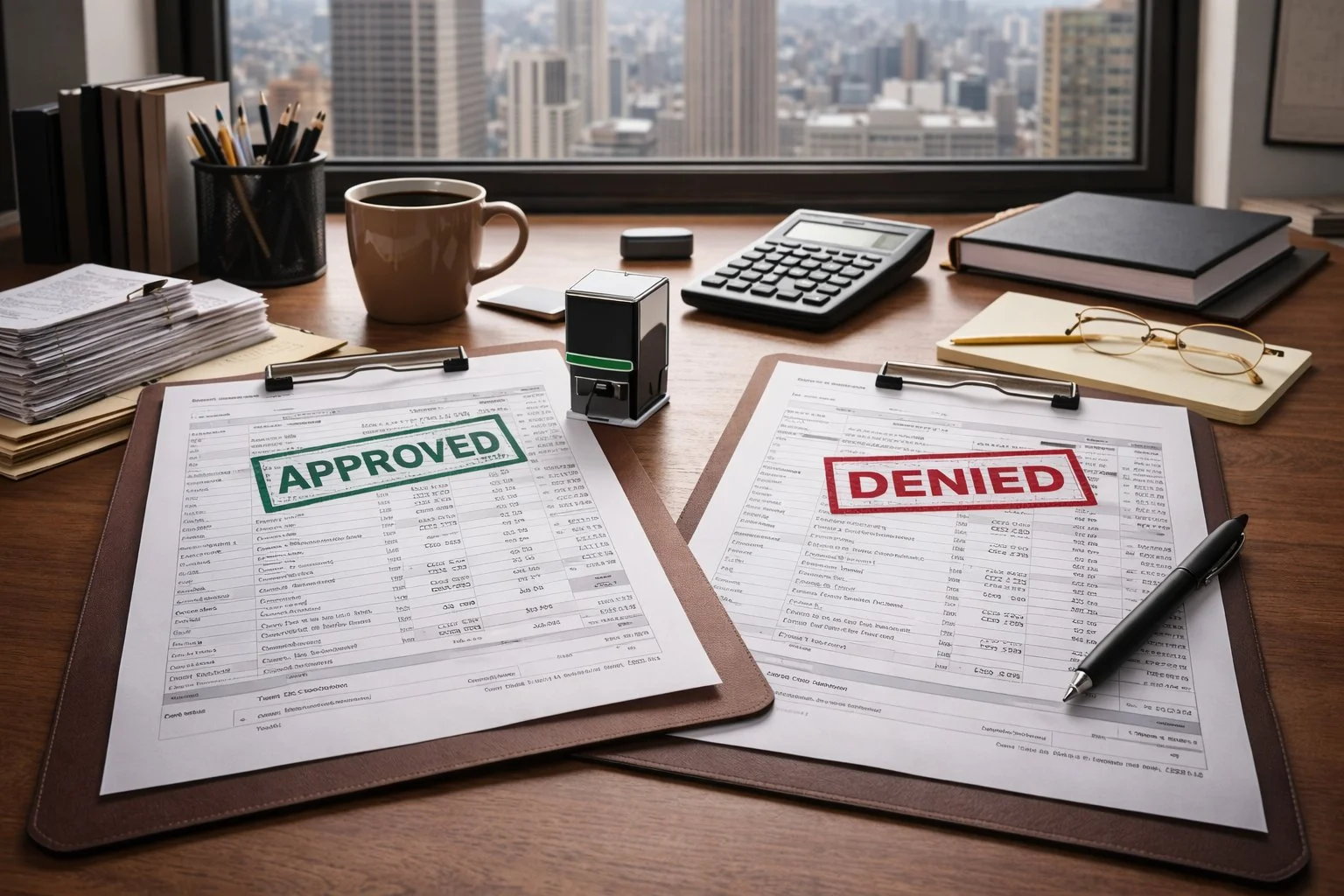
What “Ordinary and Necessary” Means
This rule comes from the IRS, and New York mostly follows it.
Ordinary means the expense is common in your type of business
Necessary means the expense helps you run your business
For example:
A laptop for a freelance designer is ordinary and necessary
A work truck for a contractor is ordinary and necessary
A luxury vacation labeled as “research” is not
If an expense helps you earn income and makes sense for your business, it is usually allowed.
IRS vs New York Business Deductions
New York generally follows federal rules for business expenses. That means most deductions you take on your federal return also apply to your New York return.
However, there are important differences:
New York may require more detailed records
Sales tax rules are handled at the state level
NYC businesses may face additional local taxes
The key takeaway is simple. Federal rules are the base. New York adds extra layers.
Common Deductible Business Expenses in New York

Below are the most common business expenses that are deductible in New York when they are business-related and properly documented.
Office and Operating Expenses
These are basic costs needed to keep your business running.
Examples include:
Office rent or coworking space fees
Electricity, water, and heating
Internet and business phone service
Office furniture and equipment
Paper, ink, and small office supplies
If you use something for both business and personal reasons, only the business portion is deductible.
Marketing and Advertising Expenses
Money spent to promote your business is usually deductible.
This includes:
Website design and hosting
Online ads and social media ads
Email marketing tools
Business cards and flyers
Branding and logo design
If the goal is to attract or keep customers, it usually qualifies.
Professional Services
Fees paid to professionals for business help are deductible.
Common examples:
Accounting and bookkeeping services
Legal advice
Business consultants
IT and tech support
These expenses are often overlooked, but they add up quickly.
For a detailed breakdown of how professional services and contractor payments work as deductions, including reporting requirements and common compliance mistakes, see our guide on how professional services and contractor payments work as deductions.
Payroll and People Costs
If you have employees, many people-related costs are deductible.
These include:
Employee wages and salaries
Bonuses and commissions
Employer-paid health benefits
Employer portion of payroll taxes
Required New York insurance, like workers’ compensation
Payments to independent contractors are also deductible when properly reported.
Travel, Meals, and Vehicle Expenses
These expenses are deductible when they are for business purposes.
Travel expenses may include:
Airfare
Hotels
Taxis or rideshares
Meals are usually:
50% deductible
Allowed when business is discussed
Not allowed if they are lavish or personal
Vehicle expenses can be deducted in two ways:
Standard mileage rate
Actual expenses like gas and repairs
You must keep mileage logs or records.
Home Office Deduction in New York
If you work from home, you may qualify for a home office deduction.
To qualify:
The space must be used regularly
The space must be used only for business
You can deduct part of:
Rent or mortgage interest
Utilities
Home insurance
New York follows federal rules for this deduction.
The home office deduction follows strict rules around exclusive use, square footage, and calculation methods, which we explain step by step in our guide on how the home office deduction works in New York.
Education, Software, and Subscriptions
Costs that help you do your job better are often deductible.
Examples include:
Job-related courses
Training programs
Business software subscriptions
Industry tools and platforms
The education must help your current business, not prepare you for a new one.
Expenses That Are Only Partially Deductible
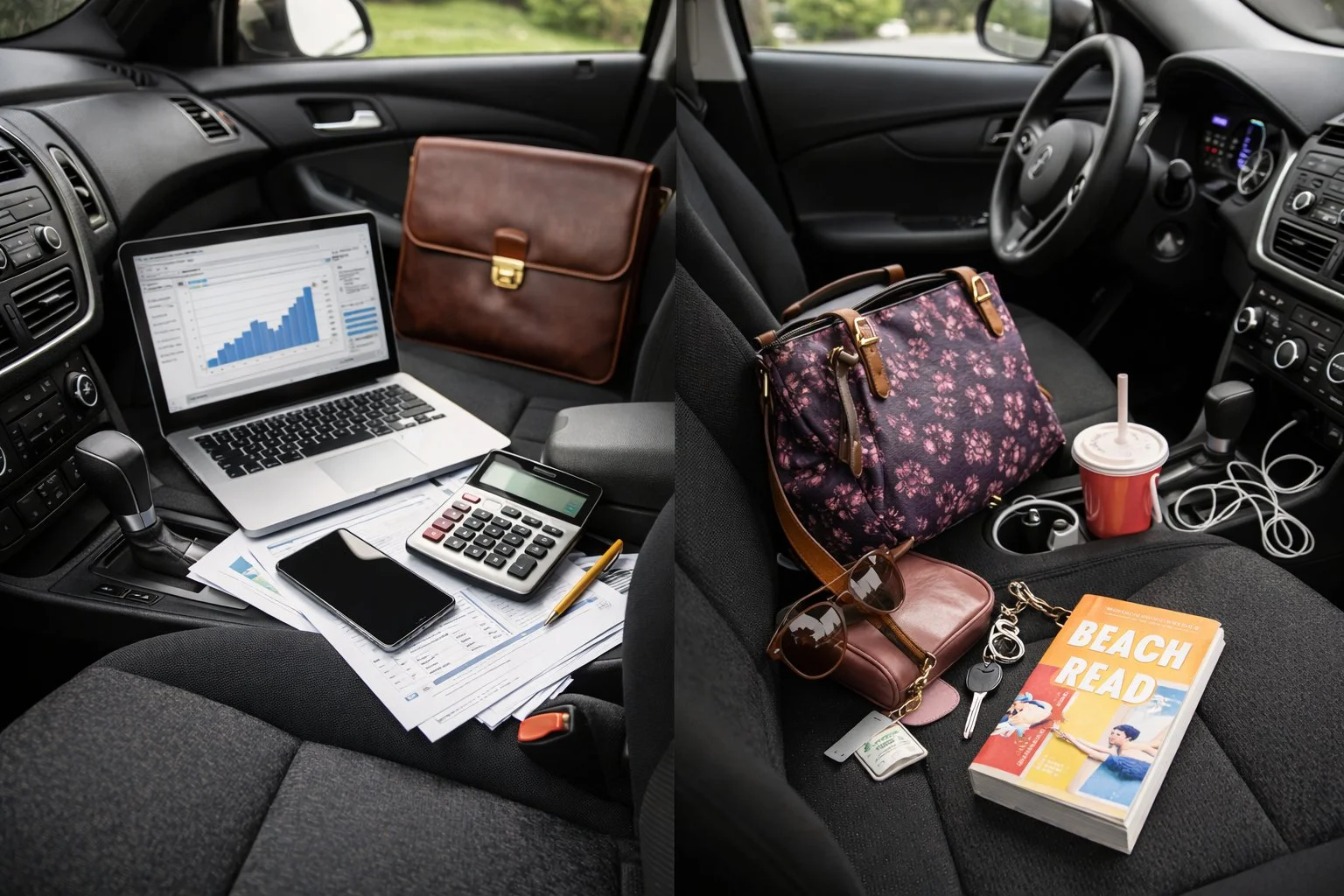
Some expenses are allowed, but only part of the cost can be deducted.
Common Partial Deductions
Business meals are usually 50% deductible
Vehicles used for business and personal use
Home expenses when only part of the home is used for work
You must calculate and document the business portion carefully.
Business Expenses That Are Not Deductible in New York

Some expenses are never deductible, even if they feel business-related.
These include:
Personal living expenses
Daily commuting from home to work
Fines and penalties
Political donations and lobbying
Entertainment like sports tickets or golf outings
Trying to deduct these can raise red flags.
New York–Specific Considerations Business Owners Miss
This is where many businesses make mistakes.
Sales Tax and Resale Exemptions
If you buy items to resell, you may not need to pay sales tax. But you must use proper resale certificates.
Improper handling of sales tax is a common New York audit issue.
If you want to see exactly when and how to use a resale certificate and avoid common sales tax mistakes, read our guide on How NY Handles Sales Tax on Business Purchases and Resale Exemptions for you to understand it better.
Recordkeeping Expectations in New York
New York expects strong documentation.
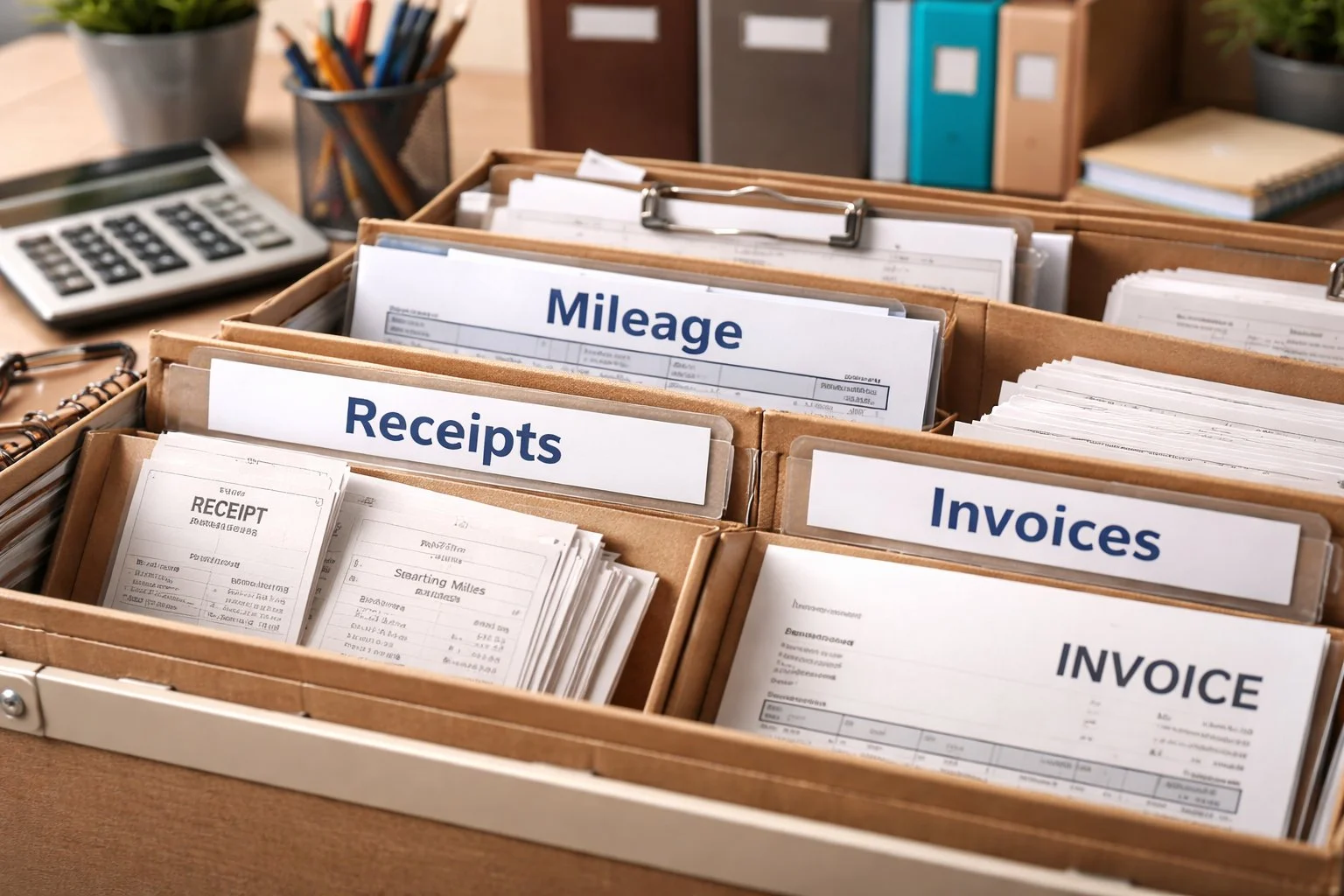
You should keep:
Receipts
Invoices
Bank statements
Mileage logs
Records should be kept for at least three years.
NYC Business Taxes
Businesses operating in New York City may face extra taxes, such as the Unincorporated Business Tax.
These do not change what counts as an expense, but they do affect how deductions impact your total tax bill.
Startup Cost Deductions
If you are starting a business, some startup costs can be deducted in the first year.
These may include:
Market research
Legal setup fees
Initial marketing
Limits apply, and excess costs may be spread over time.
For a more detailed look at real-world startup costs and first-year business expenses in New York—including LLC filing fees, publication costs, rent, and payroll, check out our comprehensive guide on startup costs and first-year business expenses in New York.
Recordkeeping Requirements for NY Business Expense Deductions
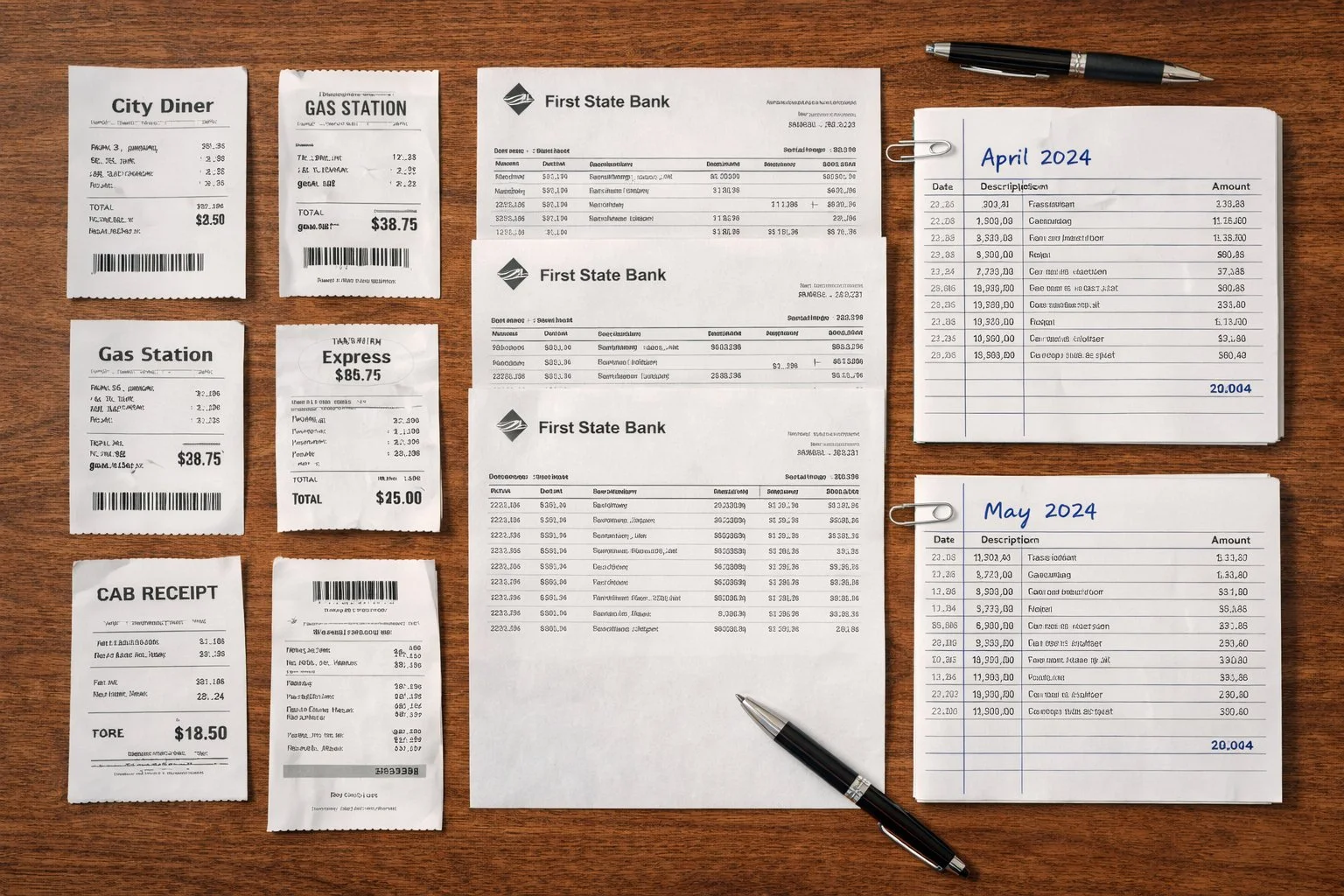
Good records protect you.
At a minimum, keep:
Date of purchase
Amount
Who you paid
What the expense was for
Proof of payment
For travel and meals, include:
Who did you meet with
What was discussed
Digital records are allowed and encouraged.
If you want a step-by-step breakdown of how to organize receipts, track expenses, use accounting software, and stay compliant with NY rules, see our guide on best practices for tracking business expenses in NY.
Business Expense Examples by Business Type
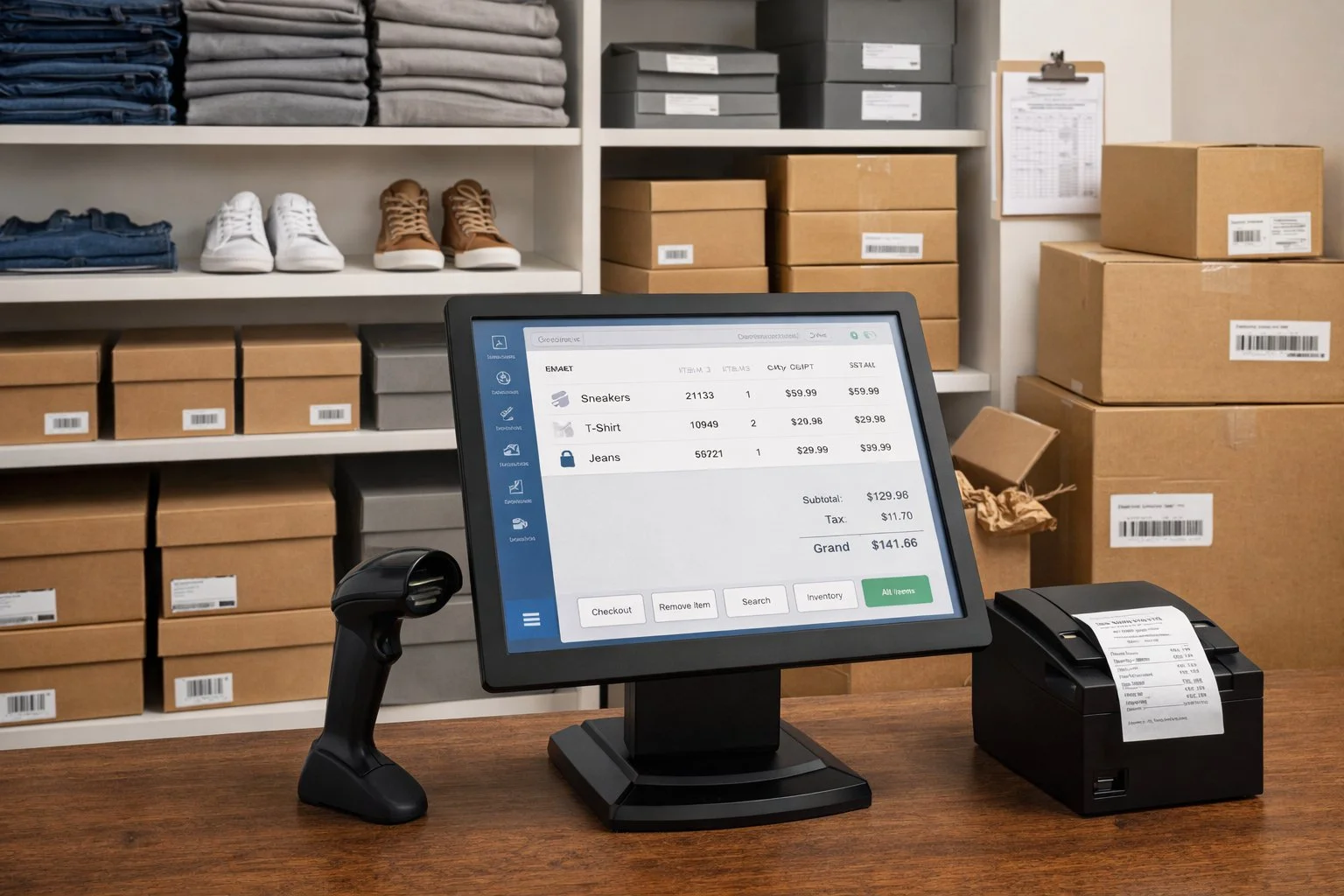
Small Business Expenses in New York
Retailers may deduct:
Inventory costs
POS software
Store rent
LLC Business Expenses in New York
LLCs may deduct:
Operating expenses
Professional fees
Owner-paid business costs
Sole Proprietor and Self-Employed Expenses
Common deductions include:
Home office
Phone and internet
Equipment
Freelancer Business Expenses in New York
Freelancers often deduct:
Software tools
Education
Marketing
Coworking spaces
Final Thoughts

This guide is meant to help you understand the basics. Every business is different, and New York tax rules can get complex fast.
If you are unsure whether an expense is deductible or if you want to maximize deductions while staying compliant, it is smart to consult a qualified tax professional.
Understanding what counts as a business expense in New York is one of the easiest ways to keep more of what you earn.
Knowing what counts as a business expense in New York is just the first step. Small businesses can also benefit from New York State tax credits and incentives that reward hiring, investment, and growth, helping you save even more on taxes.
Frequently Asked Questions
What business expenses are deductible in New York?
Expenses that are ordinary and necessary for your business, such as rent, payroll, supplies, and marketing, are generally deductible in New York.
Are business expenses tax-deductible in NY?
Yes. Most business expenses that are deductible on your federal return are also deductible on your New York return, with proper documentation.
What expenses can a small business deduct in New York?
Small businesses can deduct operating costs like rent, utilities, employee wages, software, advertising, and professional services.
What expenses can LLCs deduct in New York?
LLCs can deduct business-related expenses such as operating costs, professional fees, payroll, and business equipment.
What business expenses are not deductible in NY?
Personal expenses, commuting costs, fines, entertainment, and political contributions are not deductible in New York.
Can you deduct startup costs for a new business in New York?
Yes. Some startup costs, such as legal fees, market research, and initial marketing, can be deducted in the first year, while remaining costs may need to be spread over time.
Do you need receipts to claim business expenses in New York?
Yes. New York requires clear documentation, such as receipts, invoices, or bank records to support deductions, and missing records can lead to denied expenses during audits.