How to Choose the Best Rental Property Accounting Software for Landlords in the US

Gary Gal
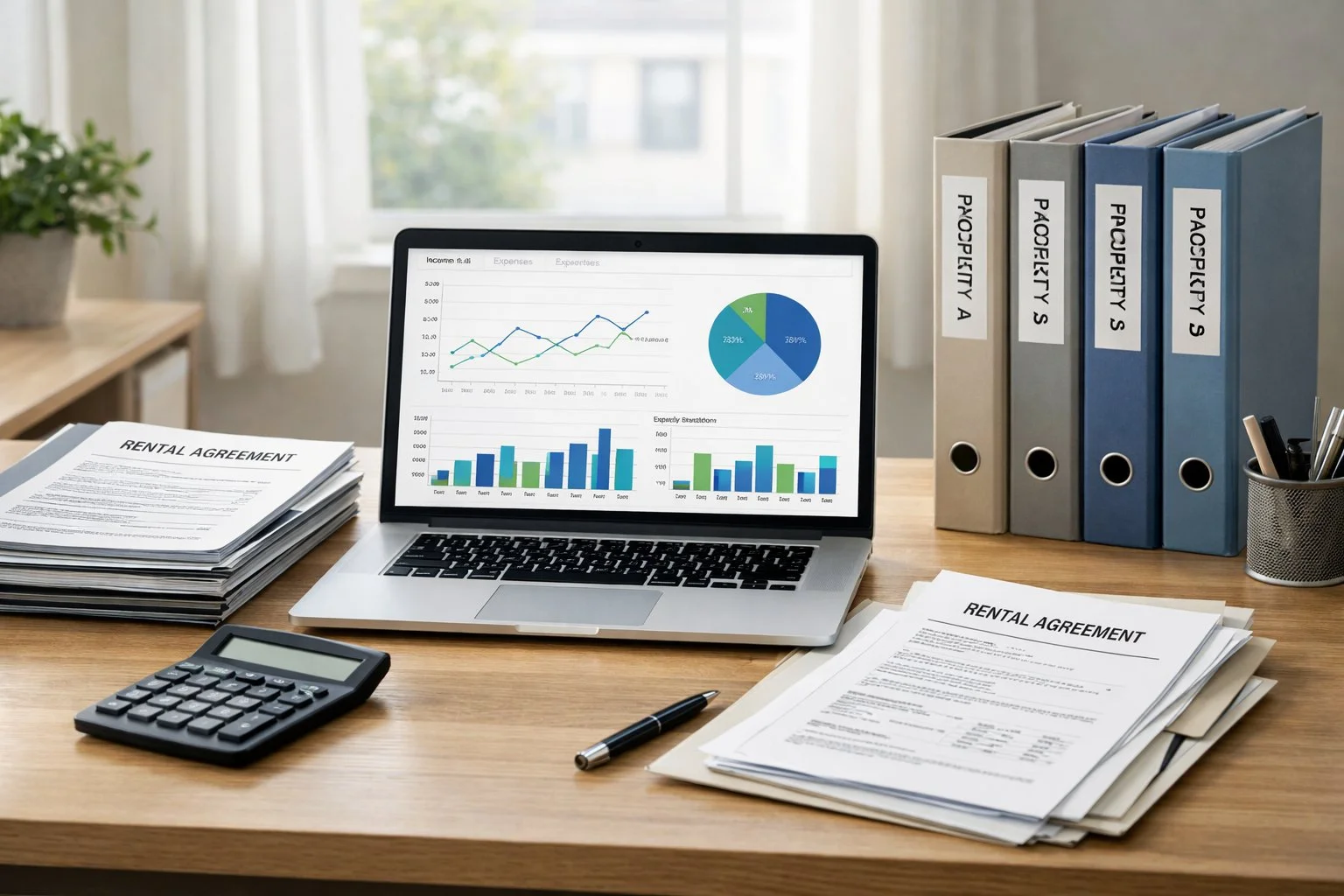
Choosing rental accounting software can feel overwhelming. Many tools promise automation, reports, and easy tracking, but not every platform fits how you manage properties in the United States. The best choice is not the one with the most features. It is the one that helps you track income clearly, organize expenses correctly, and understand your rental cash flow without extra work.
This guide explains how to evaluate rental accounting software step by step so you can choose a tool that supports financial accuracy and long-term growth.
In this guide, you will learn:
How to identify the features that matter most for US landlords
How to compare rental accounting tools using practical criteria
How to select software that fits your portfolio size and workflow
Why the right software improves cash flow tracking and tax readiness
What Is the Best Accounting Software for Landlords in the US?
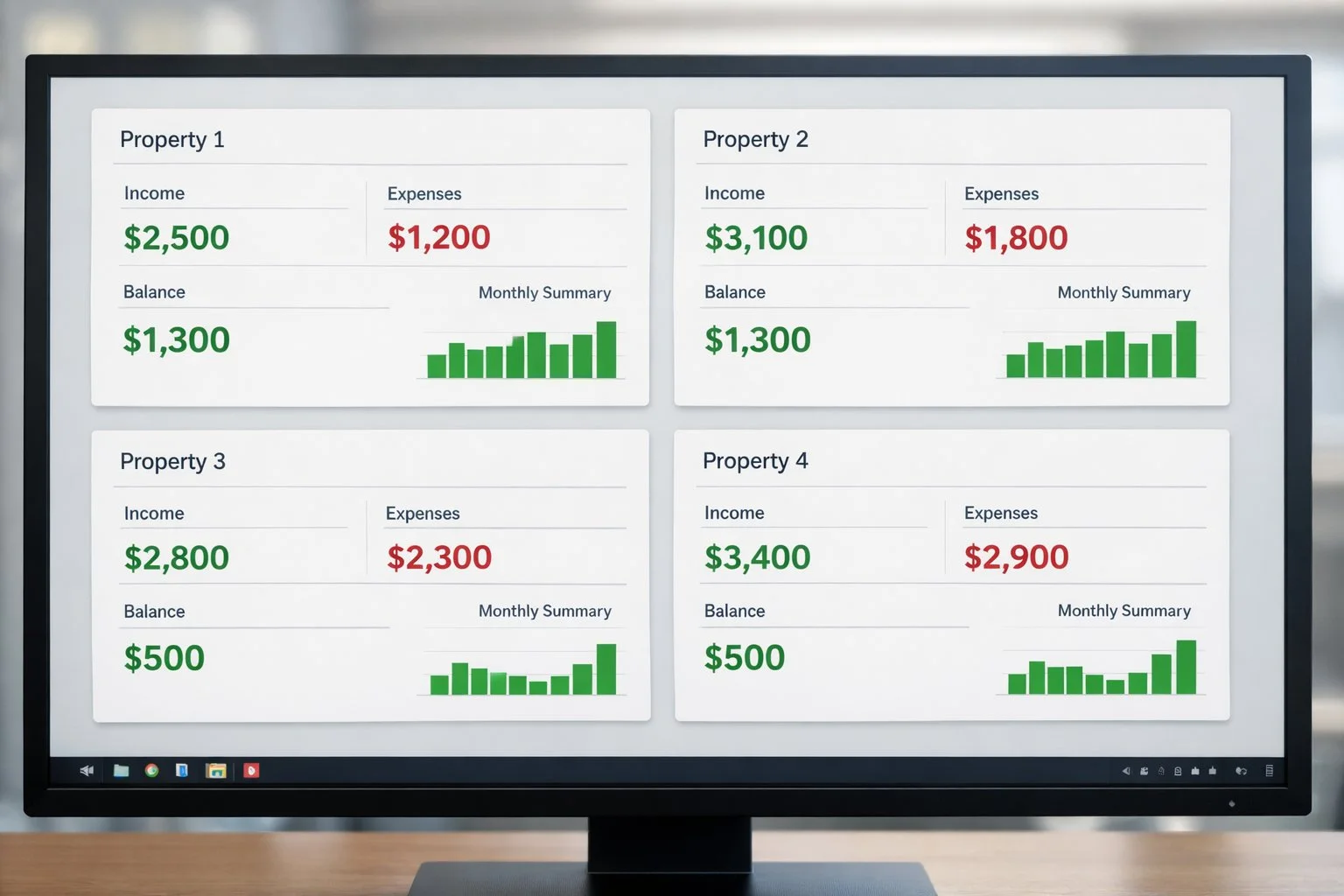
The best accounting software for landlords in the US is a platform that tracks rental income and expenses by property, automates reporting, supports organized tax records, and fits your management workflow without unnecessary complexity.
To choose the best accounting software for landlords in the US, you should evaluate tools based on reporting clarity, automation, ease of use, and tax-ready record organization. The best option is the one that fits your workflow while supporting accurate financial tracking.
Core features that define quality software
When evaluating software, focus on capabilities that improve daily management and long-term financial organization.
Essential features include:
Property-level income and expense tracking for accurate cash flow
Automated financial reports such as profit and loss statements
Bank and payment integrations to reduce manual data entry
Receipt storage and documentation tools for audit readiness
Exportable records that support tax preparation
Software that combines these features helps you maintain consistent financial records and review performance without confusion.
Why US-specific functionality matters
Rental property finances in the United States must align with federal reporting requirements and common accounting practices. Software should help you organize income and expenses in a way that supports tax preparation and financial reporting.
For guidance on rental income and expense reporting, review the official resources provided by the Internal Revenue Service.
Using software that supports organized categorization makes preparing this information significantly easier.
If you are a landlord looking for an accounting software that will help you with the numbers, check out our guide about "Best Rental Property Accounting Software for Landlords in the US".
How Do Rental Property Accounting Tools Compare for Landlords?
Rental property accounting tools differ primarily in automation, reporting depth, pricing structure, and scalability. The best choice balances strong reporting with simple workflows and reasonable cost for your property portfolio.
Comparing rental accounting tools helps you understand which platform fits your management style, budget, and reporting needs. Instead of focusing on brand names, evaluate how each tool handles automation, reporting, and scalability.
Practical comparison framework
Use this structure to evaluate any software consistently.
Feature Category | What to Evaluate | Why It Matters |
Reporting Quality | Property-level reports and summaries | Helps you understand performance clearly |
Automation Level | Bank syncing, recurring transactions | Saves time and reduces errors |
Ease of Use | Setup process and navigation | Supports consistent use |
Scalability | Multi-property support | Accommodates portfolio growth |
Pricing Transparency | Clear plan tiers | Helps manage operating costs |
Free vs paid accounting software
Free tools may work for landlords managing a single property with simple transactions. However, free plans often limit automation, reporting features, or data capacity. Paid software typically provides stronger reporting, integrations, and long-term scalability.
If you plan to grow your rental portfolio, investing in a reliable system early can reduce the need to switch tools later.
Cloud-based vs desktop accounting software
Cloud-based platforms allow secure access from any device, automatic updates, and easier collaboration. Desktop software may offer offline access but usually requires manual updates and backups.
Most landlords benefit from cloud-based systems because they support remote management and real-time financial visibility.
How Can US Landlords Choose the Right Rental Accounting Software?
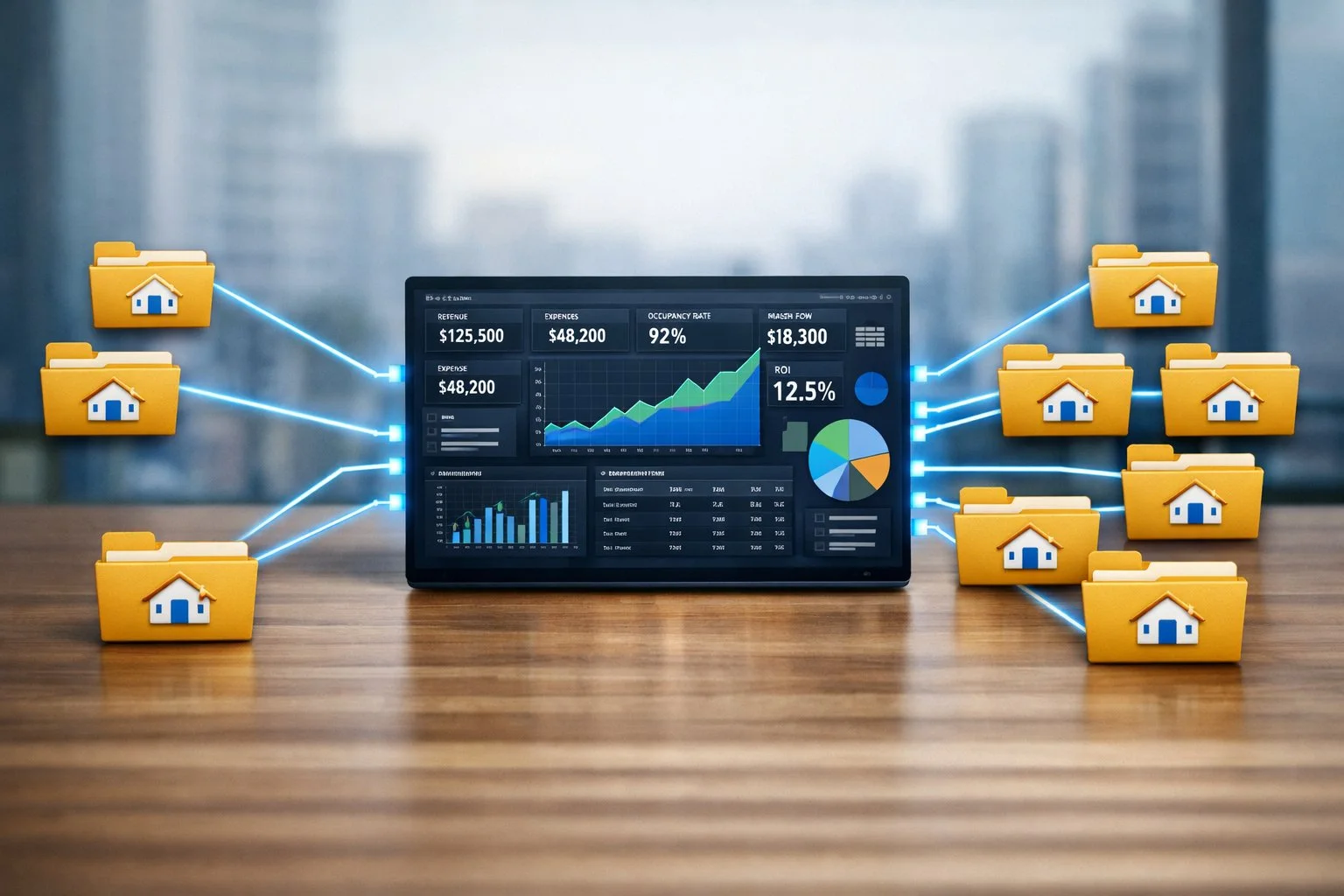
Landlords in the US can choose the right rental accounting software by matching features to their portfolio size, reporting needs, and budget while prioritizing automation and reliable financial reporting.
Choosing the right rental accounting software becomes simple when you follow a structured evaluation process. By matching software capabilities to your portfolio size and reporting needs, you can select a tool that supports consistent financial management.
Step-by-step decision framework
Follow this process to make a confident choice.
Step 1. Define your portfolio structure
Determine whether you manage a single property, multiple units, or a growing portfolio. This influences reporting and scalability needs.
Step 2. Identify required features
List the functions you need daily, such as expense tracking, income reporting, or financial summaries.
Step 3. Test usability through trial access
A platform should be easy to navigate and quick to set up. Complicated systems often lead to inconsistent recordkeeping.
Step 4. Evaluate reporting clarity
Ensure the software produces reports that are easy to read and useful for decision-making.
Step 5. Compare pricing to value delivered
Choose software that saves time or improves financial insight enough to justify its cost.
Questions to ask before selecting software
Does the software track finances separately for each property?
Can you securely import transactions from financial accounts?
Are reports simple to understand and export?
Will the system support future portfolio growth?
Reliable financial recordkeeping practices also align with general accounting standards promoted by organizations like the Financial Accounting Standards Board, which emphasizes consistent and transparent reporting.
Why Do Landlords Need Accounting Software for Rental Properties?
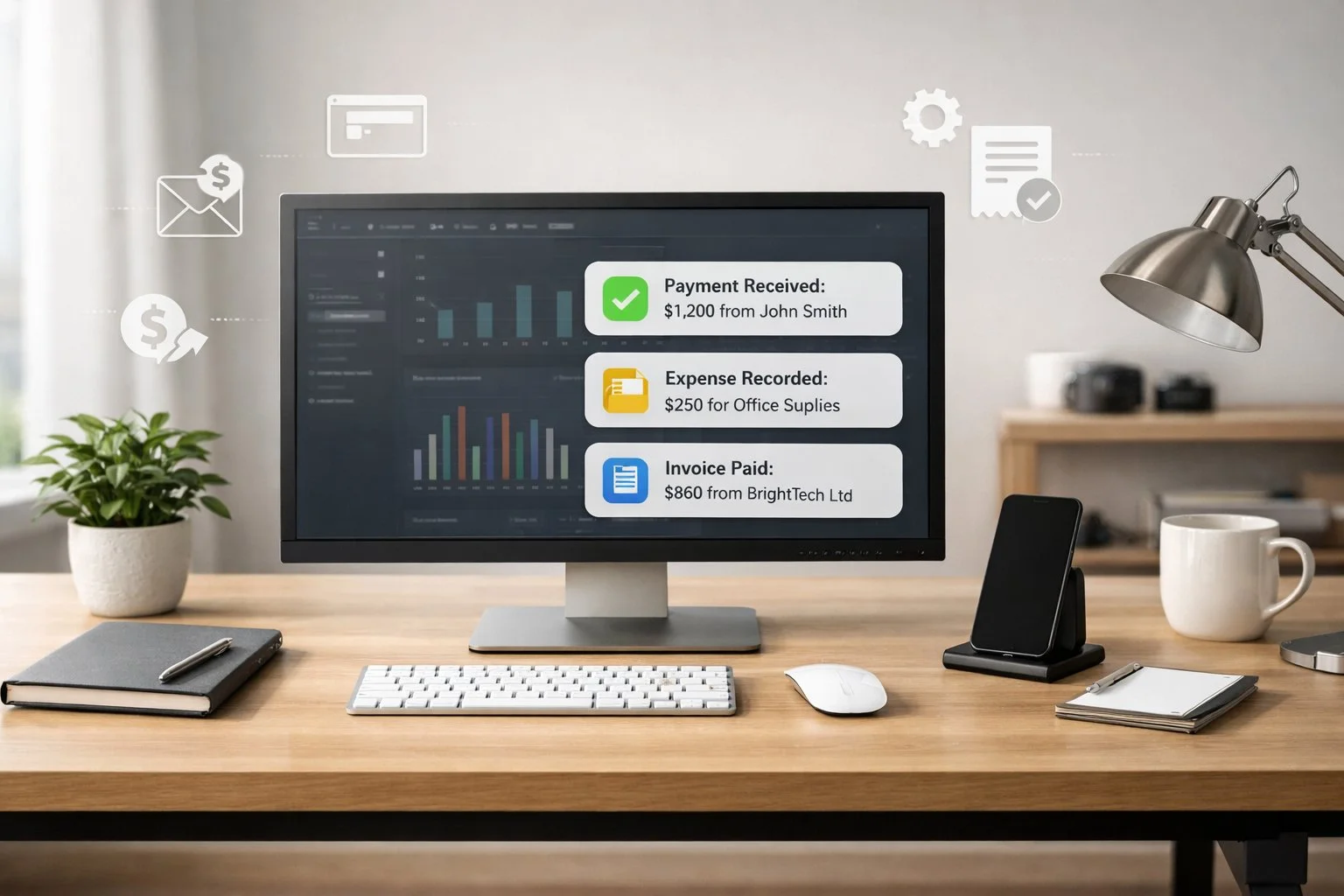
Landlords need accounting software to maintain accurate financial records, monitor rental performance, simplify tax preparation, and reduce the risk of manual errors.
Understanding why accounting software matters helps you make a confident decision. Reliable software improves financial accuracy, simplifies recordkeeping, and supports better rental performance analysis.
Key benefits you will experience
Using structured accounting software provides measurable advantages.
Operational benefits:
Clear monthly cash flow visibility
Faster tax preparation
Consistent expense categorization
Reduced manual data entry
Improved financial decision-making
These improvements help you understand whether your rental properties perform as expected and where adjustments may be needed.
Risks of Manual Financial Tracking
Manual bookkeeping can work when you have one property and very few transactions. As your rental activity grows, spreadsheets and paper records become harder to manage accurately. Small mistakes in income totals, expense categories, or missing receipts can lead to incorrect financial reports and potential tax issues.
Poor recordkeeping also makes audits and financial reviews stressful because you may not have complete documentation ready when needed. According to the Internal Revenue Service, landlords must keep clear records that support income, expenses, and deductions. Organized digital records help meet these requirements and reduce the risk of penalties.
Rental accounting software lowers these risks by:
Automatically tracking income and expenses
Storing receipts and financial documents securely
Generating accurate reports for tax filing
Keeping consistent, audit-ready records
When your financial data is organized and easy to access, you spend less time fixing errors and more time managing your properties confidently.
Before choosing software, it helps to understand what financial data you should monitor. You can read our complete guide on how to track cash flow for rental properties in the US to learn what landlords must record and why it matters.
Conclusion
Choosing the best rental property accounting software for landlords in the US helps you build accurate records, understand cash flow clearly, and stay organized throughout the year. When your financial data is consistent and easy to review, decisions about pricing, expenses, and portfolio growth become much more confident and less stressful.
Software is a powerful tool, but structured financial oversight is what turns good records into strong outcomes. If you want support interpreting your numbers, preparing for tax obligations, or strengthening your financial processes, Andemax provides professional guidance in tax services, internal controls, and financial planning tailored to property owners.
Frequently Asked Questions
What is the easiest rental property accounting software for US landlords?
The easiest software combines automatic transaction imports, simple expense categories, and clear financial reports. A clean interface and guided setup help you maintain consistent records with minimal effort.
Can landlords use free accounting software for rental properties in the US?
Yes, free software can work for simple portfolios. However, paid tools usually provide stronger reporting and automation, which become more valuable as transaction volume increases.
How much does rental property accounting software cost in the US?
Pricing varies depending on features and portfolio size. Many providers offer tiered plans that scale with property count and reporting needs.
Is cloud-based accounting software secure for landlords?
Reputable cloud-based software uses encryption and secure data storage. Automatic backups and updates also help protect financial information.
Can accounting software help with rental property tax preparation?
Yes. Organized income and expense records simplify tax preparation by providing clear, exportable financial data.
What integrations should landlords look for in rental accounting software?
Good rental accounting software should integrate with bank accounts for automatic transaction imports, online rent payment tools, and property management systems. These connections reduce manual entry, improve accuracy, and keep financial data updated across your tools.
How often should landlords update or review their accounting software?
Landlords should review their accounting software at least once a year or when their portfolio grows. Regular updates and periodic reassessment ensure you’re using features that match your reporting needs and take advantage of security and performance improvements.