Types of New York State Tax Notices Explained: What Each Letter Means and What to Do Next

Gary Gal
Few things raise stress faster than an official-looking envelope from the New York State Department of Taxation and Finance. Even if you run a solid business, keep decent records, and try to do things right, that letter can still make your stomach drop.
Here’s the good news. Most New York State tax notices are not disasters. They are messages. Some are simple questions. Some are reminders. Some are more serious, but even those usually come with options if you act early.
The real problem is not the letter itself. The problem is not understanding what kind of letter it is and what to do next.
This guide is here to fix that.
By the end of this article, you will know:
How to quickly identify the type of New York State tax notice you received
How serious each notice type is, from low risk to high risk
What New York State is really asking for in each letter
What to do next based on the exact notice you have in hand
How notices can escalate if ignored
Everything below is written in plain language, so you can understand it even if taxes are not your thing.
How to Identify Your New York State Tax Notice Quickly
Before you do anything else, you need to identify the notice.
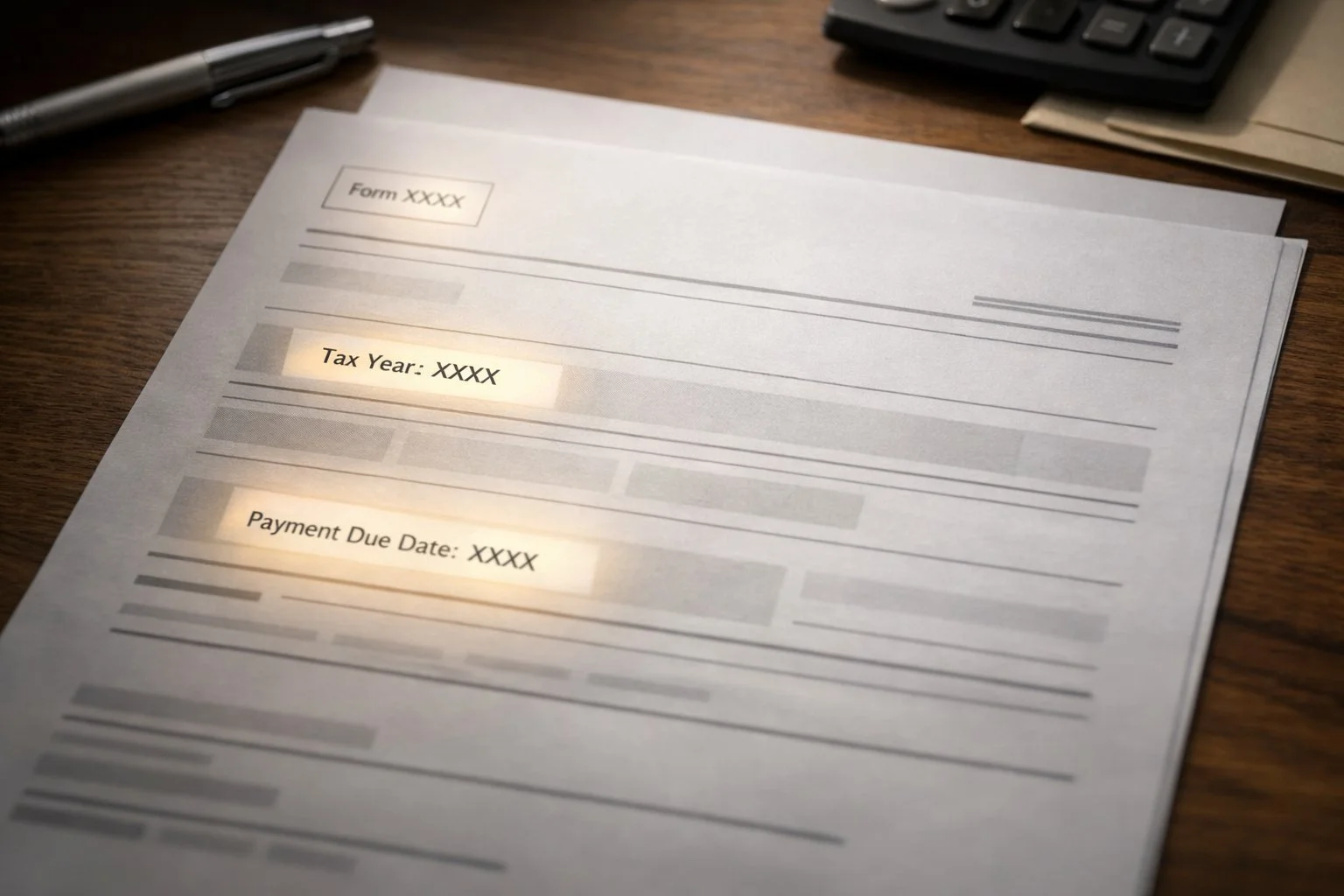
Look for the notice or form number
Every New York State tax notice has a form or notice number. It is usually printed:
Near the top of the letter, or
In the bottom left or right corner
Examples include DTF-948, AU-222, or AU-32. This number matters more than the title of the letter.
Find the tax year
The notice will always mention the tax year involved. This indicates which return or period New York is referring to.
Check the deadline
Most notices provide you with approximately 30 days to respond. The exact date is usually printed near the top of the letter. Missing this deadline can limit your options.
Read the “why”
Somewhere in the letter, New York explains why they contacted you. This might be short and vague, but it gives clues about what they want.
Confirm it is real
If you are unsure, you can log into New York State Online Services to see if the notice appears there. This also helps protect against scams.
Once you identify the notice type, everything else becomes easier.
New York State Tax Notice Risk Levels: How Serious Is Your Letter?
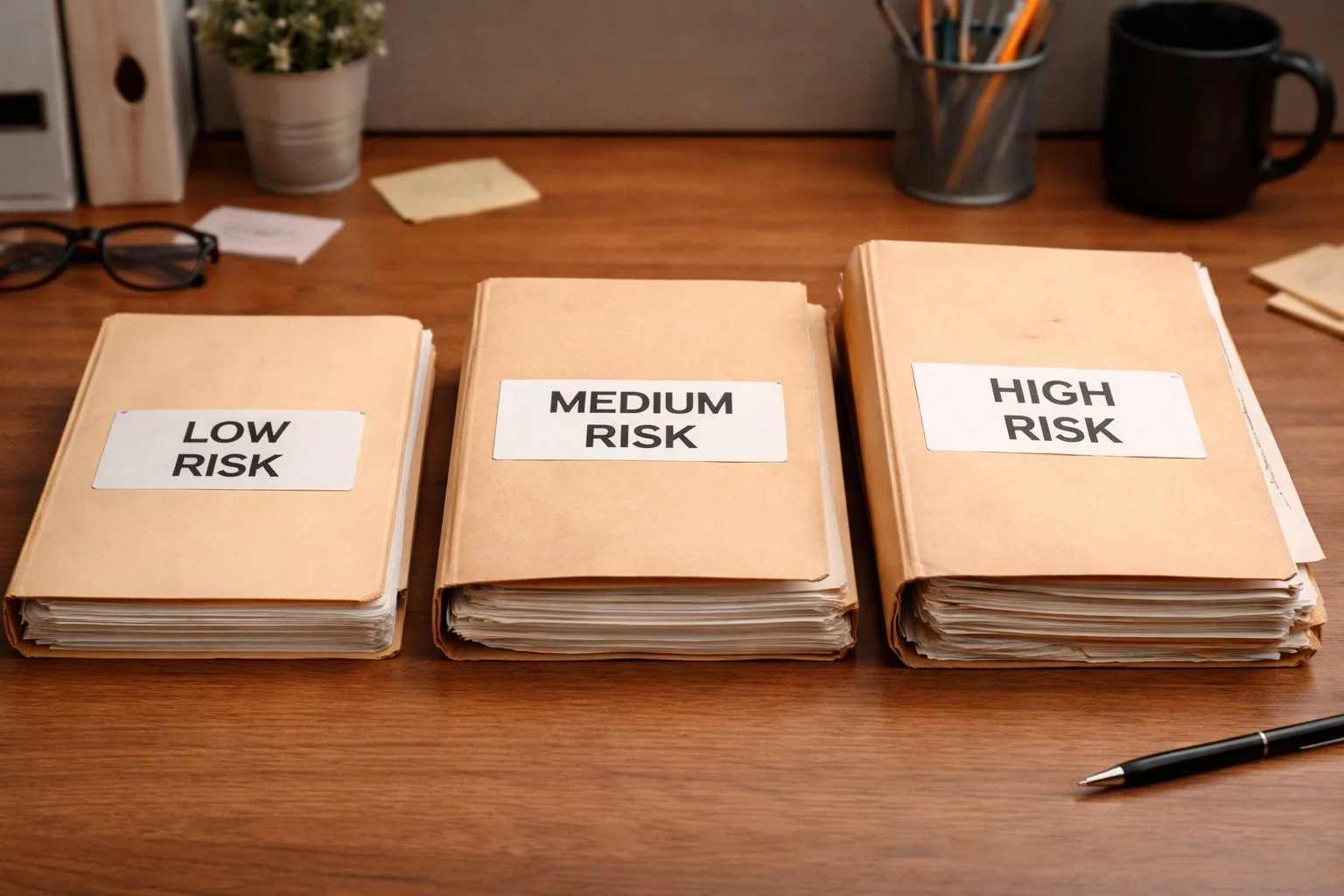
Not all New York State tax notices mean the same thing. Some letters are simple requests for information. Others mean the state believes you owe money. A few signals that collection action may start soon.
The key is to figure out how serious your notice is, because the risk level determines how fast you need to act and what options you still have. New York State tax notices generally fall into three risk levels: low, medium, and high.
Below is how to tell the difference and what each level means for you.
Low-Risk Notices: Verification and Filing Issues
Low-risk notices are the most common and usually the easiest to fix. These letters do not mean New York State is taking enforcement action. Most of the time, the state just needs more information or believes something is missing.
If you respond on time, these notices often go away without penalties.
Request for Information (DTF-948 or DTF-948-O)
This notice means New York State wants proof to confirm something on your tax return. They may be checking income, deductions, credits, or where you lived during the tax year.
Common reasons this notice is sent include:
Missing documents
Numbers that do not match IRS data
Claims that need extra proof, like business expenses or residency
What to do next:
Read exactly what documents are requested
Send copies, not originals
Respond by the deadline, usually 30 days
If you respond fully and on time, your return is processed as normal. If you ignore it, the state may adjust your return in its favor.
Reminder to File (AU-222)
This notice means New York State believes you should have filed a tax return, but they have no record of receiving one.
This can happen if:
You missed a filing deadline
A business return was not submitted
The state received income information tied to your name or business
What to do next:
File the missing return right away, even if you cannot pay
If you already filed, provide proof
Do not assume this notice will fix itself
Ignoring this notice can lead to New York State estimating your tax bill, which is usually higher than what you really owe.
Medium-Risk Notices: Proposed Changes and Amounts Due
Medium-risk notices mean New York State believes there is a tax issue that affects how much you owe. Money is involved, but you still have time and options if you act quickly.
Deadlines matter more at this stage.
Notice of Tax Due or Bill
This notice says New York State believes you owe additional tax, interest, or penalties. This can happen due to:
Corrections made to your return
Late payments
Prior balances that were not fully paid
What to do next:
Review the numbers carefully
Compare them to your return and records
Pay if you agree, or respond if you do not
If you cannot pay in full, New York State may allow a payment plan. Ignoring the bill will cause interest and penalties to grow.
Proposed Assessment or Audit-Related Notice
This notice means the state reviewed your return and proposes changes that increase your tax. This is common for businesses, self-employed individuals, and people with complex income.
What to know:
This is not always final
You usually have appeal rights
There is a strict deadline to respond or protest
If you miss the response window, the proposed amount may become final, even if it is wrong.
High-Risk Notices: Enforcement and Collection Actions
High-risk notices mean New York State is preparing to collect the debt. These letters require immediate attention. Waiting can limit your options very quickly.
Final Assessment Notice
A final assessment means New York State has finished reviewing your case and locked in the amount owed.
At this stage:
Appeal rights are limited or gone
Interest continues to build
Collection action may start soon
If you receive this notice, time is critical.
Collection or Demand for Payment Notice
This notice means New York State is actively moving to collect unpaid taxes.
Possible actions include:
Bank account levies
Wage garnishment
Tax warrants, which become public records
Liens on business or personal property
What to do next:
Do not ignore this notice
Contact the department or a tax professional right away
Ask about payment plans or resolution options
The earlier you act, the more control you keep.
Business-Specific New York State Tax Notices
Businesses face extra risk because they handle taxes for others.
Sales tax notices
These often involve:
Missing filings
Underreported sales
Resale certificate issues
Sales tax errors escalate quickly because the state treats this money as held in trust.
Payroll and withholding tax notices
These involve:
Employee withholdings
Late deposits
Filing errors
New York takes these notices very seriously because the money belongs to employees.
Why business notices escalate faster
Businesses often face:
Larger dollar amounts
Shorter deadlines
Higher penalties
Responding quickly protects cash flow and operations.
What to Do Next Based on Your Notice Type

Here is a simple decision guide.
Request for information: Respond with documents
Reminder to file: File or prove filing
Bill you agree with: Pay or set up a plan
Bill you disagree with: Respond and dispute
Audit or assessment: Review carefully and consider help
Collection notice: Act immediately
Waiting rarely improves the situation.
Common Mistakes to Avoid When Responding to NYS Tax Notices
Even smart business owners make these mistakes.
Ignoring the notice
This is the fastest way to lose options.
Missing deadlines
Deadlines protect your rights. Missing them weakens your position.
Sending incomplete documents
Partial responses often lead to follow-up notices or denials.
Paying without reviewing
Once paid, correcting errors can be harder.
Assuming it will fix itself
It rarely does.
Final Thoughts: Identify the Letter, Then Act
New York State tax notices are not all created equal. Some ask questions. Some ask for money. Some signal enforcement.
The key is knowing which one you have.
Once you identify the notice type and risk level, the next step becomes clear. Respond, review, pay, dispute, or get help. The worst choice is doing nothing.
Handled early, most New York State tax notices are manageable. Handled late, even small issues can grow fast.
Read the letter. Know what it means. Then take action while your options are still open.
Understanding your tax notice is the first step. Knowing how to respond correctly is just as important. For a full walkthrough of timelines, payment plans, appeals, and when to get help, see our complete guide on what happens if you get a tax notice from New York State.
Frequently Asked Questions
How long do I have to respond to a New York State tax notice?
Most notices give about 30 days, but always check the letter.
Is every New York State tax notice an audit?
No. Many are simple requests or reminders.
Can I respond online if I received a paper letter?
Yes. Many notices allow online responses through NY Online Services.
Should businesses respond differently from individuals?
Often, yes. Business notices can escalate faster and involve higher penalties.
What if I lost the notice?
You can usually find it in your New York State Online Services account or request a copy.
What should I do if I think a tax notice is a scam?
Verify the notice through the official New York State Department of Taxation and Finance contact information before taking action.
Will New York State send notices to my tax preparer instead of me?
Most notices are mailed to the taxpayer’s address on file, not the preparer, unless authorized.