What Happens If You Get a Tax Notice from New York State?

Gary Gal
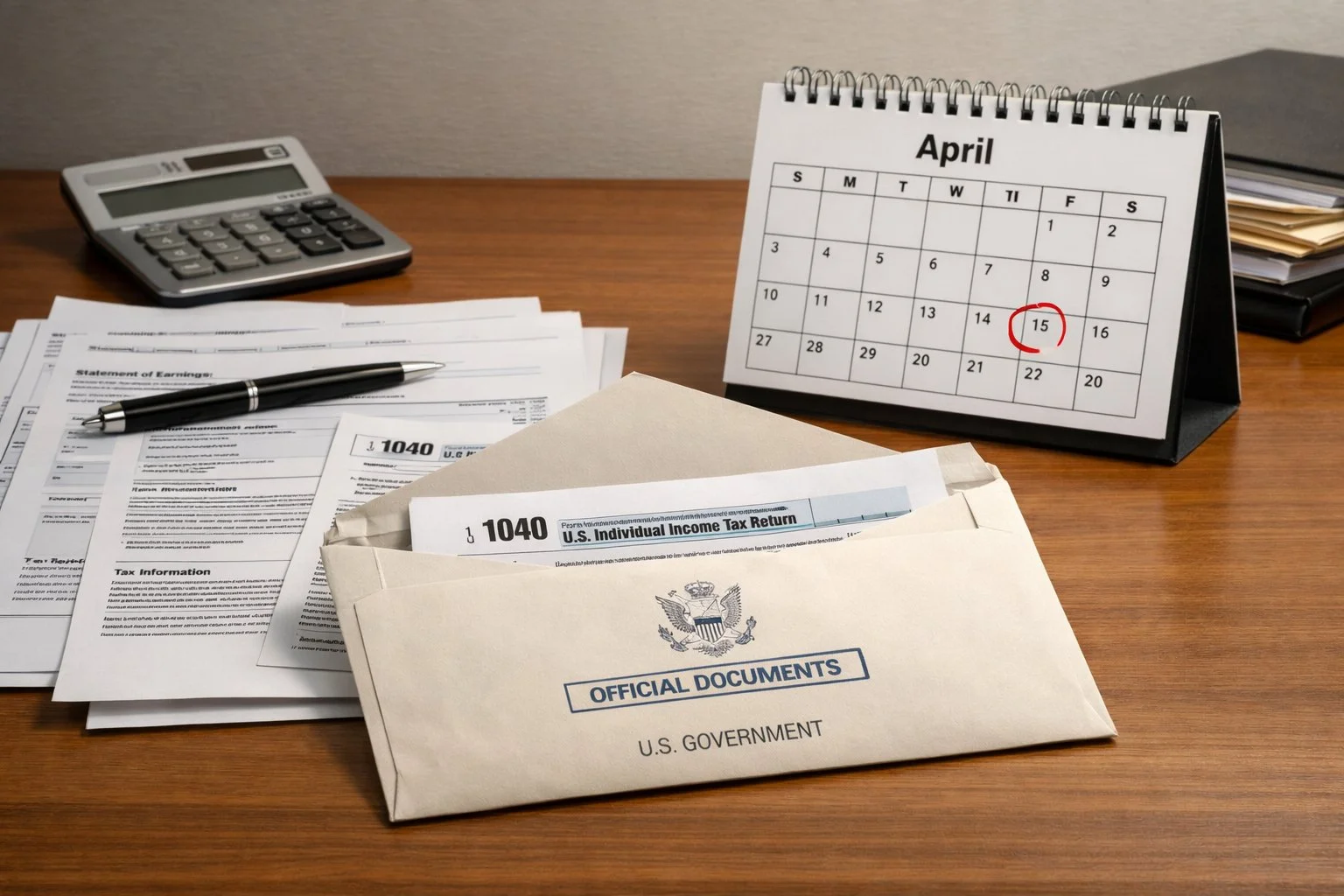
Getting a letter from the New York State Department of Taxation and Finance can feel scary. The envelope looks official. The language feels serious. And your first thought is often, “What did I do wrong?”
Take a breath.
Most New York tax notices are not emergencies, and many do not mean you made a mistake. Often, the state just needs more information, spots a mismatch, or wants to confirm something on your return. What matters most is what you do next.
This guide walks you through exactly what happens if you get a tax notice from New York State, so you can protect yourself, your business, and your money.
By the end of this guide, you will learn:
Why does New York State send tax notices
The different types of notices and what each one means
What to do right away, and what not to do
What happens if you agree, disagree, or cannot pay
The real consequences of ignoring a notice
When it makes sense to get professional help
How to reduce the chances of getting future notices
Let’s start with the basics.
What Does It Mean to Get a Tax Notice from New York State?

A New York State tax notice is a formal letter from the Department of Taxation and Finance. It tells you that the state has a question, concern, or update related to your taxes.
This does not automatically mean you are in trouble.
In many cases, the notice means:
The state needs more documents
There is a small mismatch between records
A return or payment might be missing
The IRS made a change that affects your state taxes
Think of a tax notice like a school note sent home. Sometimes it is serious. Sometimes it is just a reminder. You will not know which one it is until you read it carefully.
Every notice includes:
The tax type and tax year involved
The reason the notice was sent
What action is required
A deadline, often 30 days
Instructions on how to respond
That deadline is important. Missing it can make a small issue turn into a big one.
The First Things You Should Do After Receiving a NYS Tax Notice

Before calling anyone or jumping to conclusions, follow these steps.
Step 1. Do not panic
A tax notice does not mean an audit is happening, and it does not mean New York is accusing you of fraud. Most notices are routine and fixable.
Step 2. Read the entire notice
Read every page, even the fine print. Look for:
The notice or form number
The tax year involved
The response deadline
Whether payment is required now or later
Step 3. Identify the reason
The notice will say why it was sent. It may ask for documents, show a balance due, or remind you to file.
Step 4. Mark the deadline
Most notices require a response within about 30 days. Missing this date can cause penalties, interest, or loss of appeal rights.
Step 5. Keep the envelope and copies
Save everything. If you respond by mail, keep copies of what you send.
These simple steps already put you ahead of many taxpayers.
Most notices require a response within about 30 days, and missing that deadline can limit your options or lead to penalties. If you’re unsure how much time you have, our guide about How Long Do You Have to Respond to a New York State Tax Notice will help you understand it more.
Common Types of New York State Tax Notices (And What Each One Means)

New York State sends many different types of tax notices. Knowing which one you received helps you respond the right way.
Request for Information (DTF-948 or DTF-948-O)
This is one of the most common notices.
It means New York wants proof to support something on your return. This could include:
Income
Business expenses
Credits
Residency
Sales tax records
This notice does not say you owe money yet. It is asking you to show your work.
If you respond clearly and on time, the issue is often resolved quickly. If you ignore it, New York may deny deductions or credits and send a bill.
But if you are curious of what will happen if you owe money, check out our detailed guide about What Happens If You Owe Money to New York State.
Bill or Amount Due Notice
This notice says New York believes you owe tax, interest, or penalties.
This can happen when:
A return was adjusted
A payment was missed or applied incorrectly
A previous notice was not answered
The notice will show:
The amount due
How it was calculated
Payment options
Appeal or protest rights, if available
You should not ignore this notice, even if you disagree with it.
Assessment or Audit-Related Notices
These notices are more serious.
They often mean:
New York reviewed your return in detail
The state proposes an additional tax
You have limited time to dispute the findings
Businesses and self-employed professionals see these notices more often because their returns are more complex.
The notice will explain how to respond if you want to challenge the assessment.
Reminder to File (AU-222)
This notice means New York believes you were required to file a return, but they have no record of receiving one.
This can happen if:
A return was filed late
The return was lost or rejected
New York received third-party income reports
If you ignore this notice, New York may estimate your tax based on available data, which often overstates what you owe.
Federal Adjustment Notice (AU-32)
If the IRS changes your federal return, New York usually requires you to report those changes.
This notice means:
The IRS adjusted your federal income
New York needs to update your state tax
Failing to respond can trigger penalties, even if you already settled with the IRS.
If you want a detailed explanation of each notice, what the letter means, and the exact steps to take next, read our full guide on Types of New York State Tax Notices.
How to Respond to a New York State Tax Notice Correctly

How you respond matters as much as when you respond.
Online response
For most notices, the fastest option is through New York’s Online Services account.
Benefits:
Immediate confirmation
Easy document uploads
Faster processing
You can upload scans or clear phone photos of documents.
For a full walkthrough of the process, including document preparation and confirmation steps, see our step-by-step guide on how to respond to a New York State tax notice online.
Mail response
If you respond by mail:
Follow the exact instructions on the notice
Send copies, not originals
Use certified mail if possible
Keep proof of mailing
Mail takes longer, so do not wait until the last minute.
What to include
Only send the documents requested in the notice. Sending extra or unrelated paperwork can slow things down.
Make sure documents are:
Clear
Complete
Organized
Labeled if needed
What Happens If You Agree With the Notice?

If you agree with the notice, resolution is usually straightforward.
Paying the balance
You can pay:
Online from your bank account
Through Quick Pay without an account
By check
Bank payments are usually free and fastest.
Interest and penalties
Interest continues to add up until the balance is paid. Penalties may apply depending on the reason for the bill.
Paying sooner reduces extra costs.
To understand more about the interest and penalties, our guide about New York State Tax Penalties and Interest explains it deeper for you to have a better understanding.
Business cash flow
If you run a business, think about timing. Paying early may protect your credit, licenses, and bank accounts.
Even if cash is tight, doing nothing is rarely the best option.
What Happens If You Disagree With the Notice?

Disagreeing does not mean ignoring.
Respond first
Always respond by the deadline, even if you plan to dispute the issue.
Protesting the notice
Many notices include instructions on how to protest or appeal.
This may involve:
Filing a protest form
Requesting a conciliation conference
Submitting supporting documents
Deadlines are strict. Missing them can remove your right to challenge the notice.
Conciliation Conference
This is an informal meeting with an independent bureau. It allows you to explain your position before going to a formal hearing.
Many disputes are resolved here.
Tax Appeals Tribunal
If conciliation does not resolve the issue, you may request a formal hearing. This process is more structured and often requires professional help.
Payment Plans and Relief Options If You Cannot Pay

Not being able to pay is more common than people think.
Installment payment agreements
New York allows many taxpayers to pay over time.
These plans:
Spread payments across months
Reduce immediate financial pressure
Stop aggressive collection actions if approved
Interest still applies, but penalties may be reduced.
Offer in Compromise
In limited cases, New York may accept less than the full amount owed.
This option is usually for taxpayers facing serious financial hardship and requires detailed financial disclosure.
Why communication matters
Even if you cannot pay today, contacting New York shows good faith. Silence often leads to enforcement.
What Happens If You Ignore a New York State Tax Notice?

Ignoring a notice is the fastest way to turn a small issue into a serious one.
Here is what can happen:
Penalties and interest grow
Interest accrues daily. Penalties can reach up to 25 percent of the unpaid tax.
Tax warrants
New York may file a tax warrant, which becomes a public record and creates a lien against your property.
Bank levies and wage garnishment
The state can:
Freeze bank accounts
Take money directly from paychecks
Seize certain assets
Driver’s license suspension
If you owe $10,000 or more in personal income tax, including penalties and interest, New York can suspend your driver’s license.
Business impact
For businesses, consequences can include:
Frozen operating accounts
Disrupted payroll
Damaged vendor relationships
Ignoring a notice does not make it go away.
To have a deeper understanding on what actually happens when you ignore a notice, check out our full guide about the step-by-step timeline.
How to Avoid Future New York State Tax Notices

While no one can avoid notices forever, you can reduce them.
Keep good records
Save:
Receipts
Bank statements
Payroll records
Sales tax filings
Good records make responses faster and easier.
File and pay on time
Late filings trigger many notices automatically.
Match federal and state returns
Differences between IRS and New York filings are a common trigger.
Get help before problems grow
Many issues are cheaper and easier to fix early.
Final Thoughts

Getting a tax notice from New York State does not mean you are in trouble, but it does mean you need to act. Many notices can be handled easily if you respond on time and provide the right information.
If the notice is simple and you understand it, you may be able to resolve it yourself by responding online or paying what is owed. But if the amount is large, your business is involved, deadlines were missed, or you are unsure how to respond, getting help from a tax professional is often the safer choice.
The key takeaway is simple. Act early. The sooner you respond, the more options you have and the easier the problem is to fix. Ignoring a tax notice almost always makes the situation worse.
Whether you handle it on your own or with professional support, taking action now helps you stay in control.
Frequently Asked Questions
How long do I have to respond to a NYS tax notice?
Most notices require a response within 30 days, but always check the specific letter.
Is a tax notice the same as an audit?
No. Many notices are simple requests for information or reminders.
Can New York garnish wages without warning?
Usually, there are multiple notices first. Ignoring them increases the risk.
Can I respond online if I received a paper notice?
Yes. Many notices can be handled through New York’s Online Services.
Will a tax notice hurt my business credit?
A filed tax warrant can become public and affect credit and financing.
Can a New York State tax notice be incorrect?
Yes, some notices are based on incomplete or mismatched data, so you should review and verify before responding.
Do I need a tax professional to handle a New York State tax notice?
Not always, but professional help is useful for complex issues, large balances, or disputes.