What Happens If You Owe Money to New York State? A Step-by-Step Guide for Business Owners and Professionals

Gary Gal
Owing money to New York State is one of those problems people hope will quietly go away. It usually does not. In fact, it tends to grow, get louder, and become much harder to fix the longer it is ignored.
If you run a business, work independently, or manage your own finances, New York State has many tools to collect what it is owed. Some of them are quick. Some of them are public. Some of them can directly affect your bank account, paycheck, licenses, or ability to run your business.
The good news is that most state tax problems can be managed or resolved if you understand the process and act early.
In this guide, you will learn:
What it really means to owe money to New York State
What happens first, and how fast things escalate
What tax warrants, levies, and garnishments actually are
How New York State enforces unpaid debts
Your real options for fixing the problem
How to avoid ending up here again
Let’s start with the big question.
What Happens If You Owe Money to New York State?
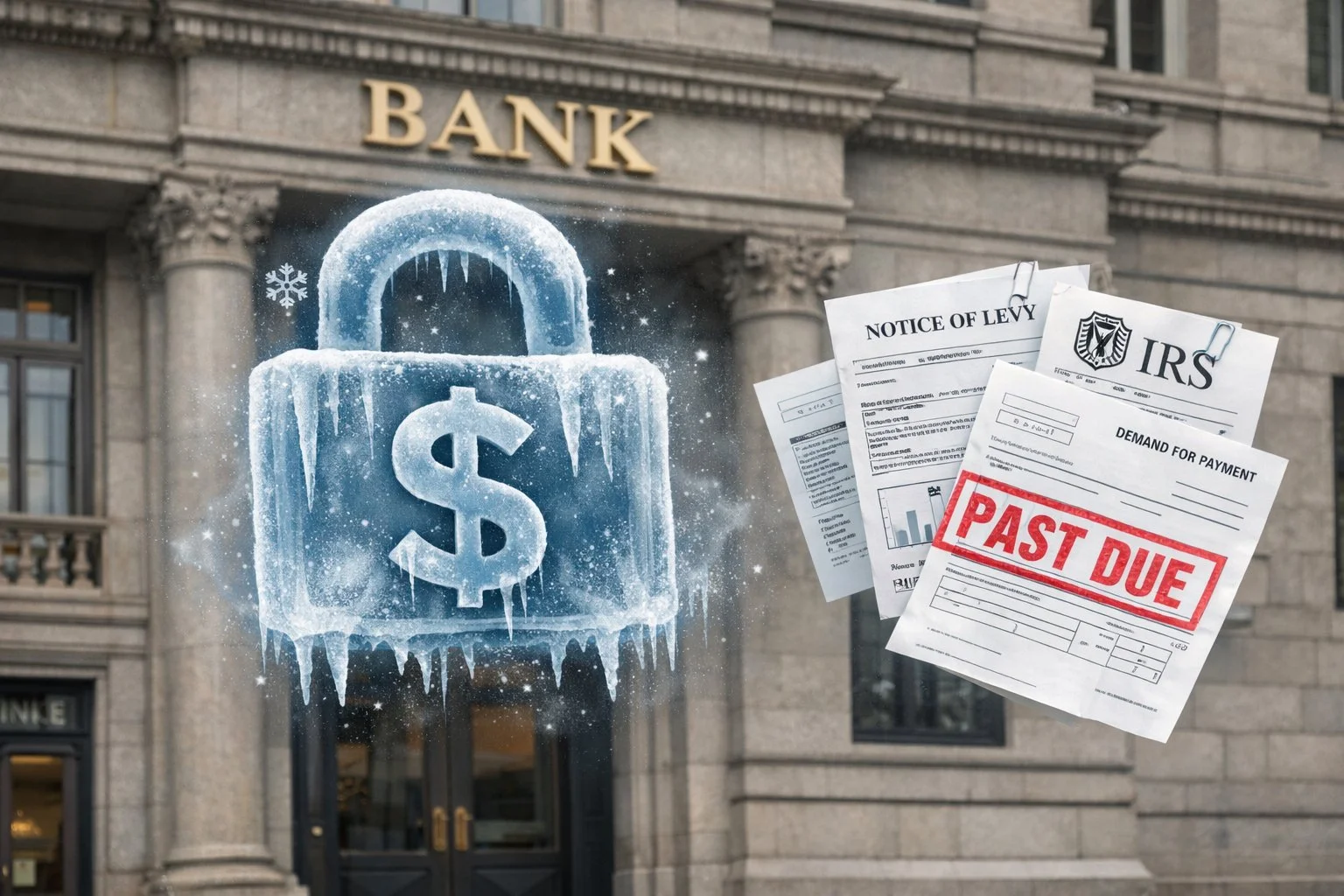
If you owe money to New York State, the Department of Taxation and Finance will first add interest and penalties to your balance. Then it will send notices asking for payment. If the debt is not resolved, the state can file a tax warrant, garnish wages, freeze bank accounts, seize assets, suspend licenses, and intercept tax refunds.
New York State has strong collection powers. The longer a debt goes unpaid, the more expensive and disruptive it becomes.
What Counts as Owing Money to New York State?

Owing money to New York State usually means unpaid taxes, but not all tax debt is the same. Some types carry more risk than others, especially for business owners.
Common types of New York State tax debt include:
Personal income tax
This applies to individuals who underpaid or did not pay state income tax.
Sales tax
Sales tax is one of the most serious debts for businesses. You collect it from customers and hold it for the state. Because it is not your money, New York treats unpaid sales tax very strictly.
Payroll withholding taxes
These include state income tax withheld from employee wages. Like sales tax, these are trust fund taxes and are closely monitored.
Corporate and partnership taxes
Businesses may owe franchise taxes, corporate income taxes, or partnership-related filings.
Audit assessments and penalties
If New York State audits you and finds errors, it can assess additional tax, interest, and penalties.
Understanding what type of debt you owe matters. Some debts are easier to resolve than others, and some lead to faster enforcement.
What Happens First: Notices, Interest, and Penalties
New York State does not usually jump straight to freezing bank accounts. The process starts with notices.
Notices by mail
The Department of Taxation and Finance communicates mainly by mail. These letters explain:
What you owe
Why you owe it
When payment is due
What happens if you do nothing
Ignoring these letters is one of the most common and costly mistakes people make.
Interest and penalties start right away
Once a tax is unpaid, interest begins to grow. Penalties are added on top of that.
Common penalties include:
Late payment penalties
Failure-to-file penalties
Combined penalties that can add up quickly
Even if no enforcement action has started, the balance continues to increase.
Filing late is better than not filing
If you cannot pay, filing your tax return still helps. Not filing often leads to higher penalties and removes certain resolution options later.
When the Debt Becomes “Fixed and Final”
This is a critical stage that many people do not understand.
A tax debt becomes “fixed and final” when:
The state issues an assessment
You do not challenge it within the allowed time
The appeal window closes
Once a debt is fixed and final:
You lose the right to dispute the amount
The state can begin enforced collection
Your options become more limited
This is why deadlines matter. Missing a response deadline can turn a manageable issue into a serious one.
Tax Warrants Explained (And Why They Matter)
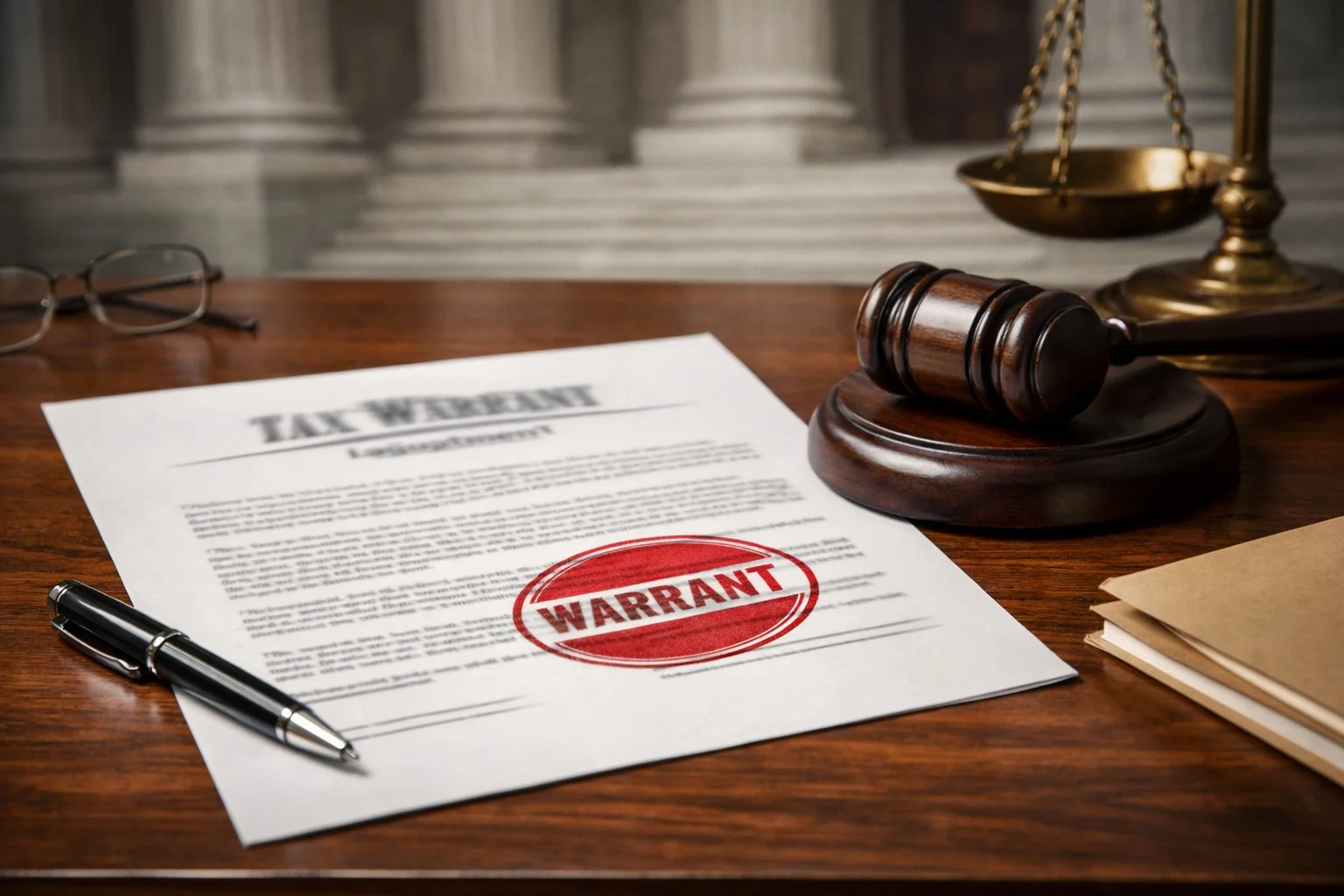
A tax warrant is one of the most powerful tools New York State uses.
What is a tax warrant?
A tax warrant is a legal claim filed by the state. It works like a civil judgment.
Once filed, it:
Becomes a public record
Creates a lien on your real and personal property
Gives the state strong collection authority
Why tax warrants are a big deal
A tax warrant can affect:
Your ability to sell or refinance property
Business loans and lines of credit
Certain professional opportunities
Even if you later enter a payment plan, the warrant often stays in place until the debt is paid in full.
Warrant vs compliance
Being in a payment plan does not always remove the warrant. You may be compliant but still have a public lien. This distinction matters for business planning and financing.
Enforcement Actions New York State Can Take
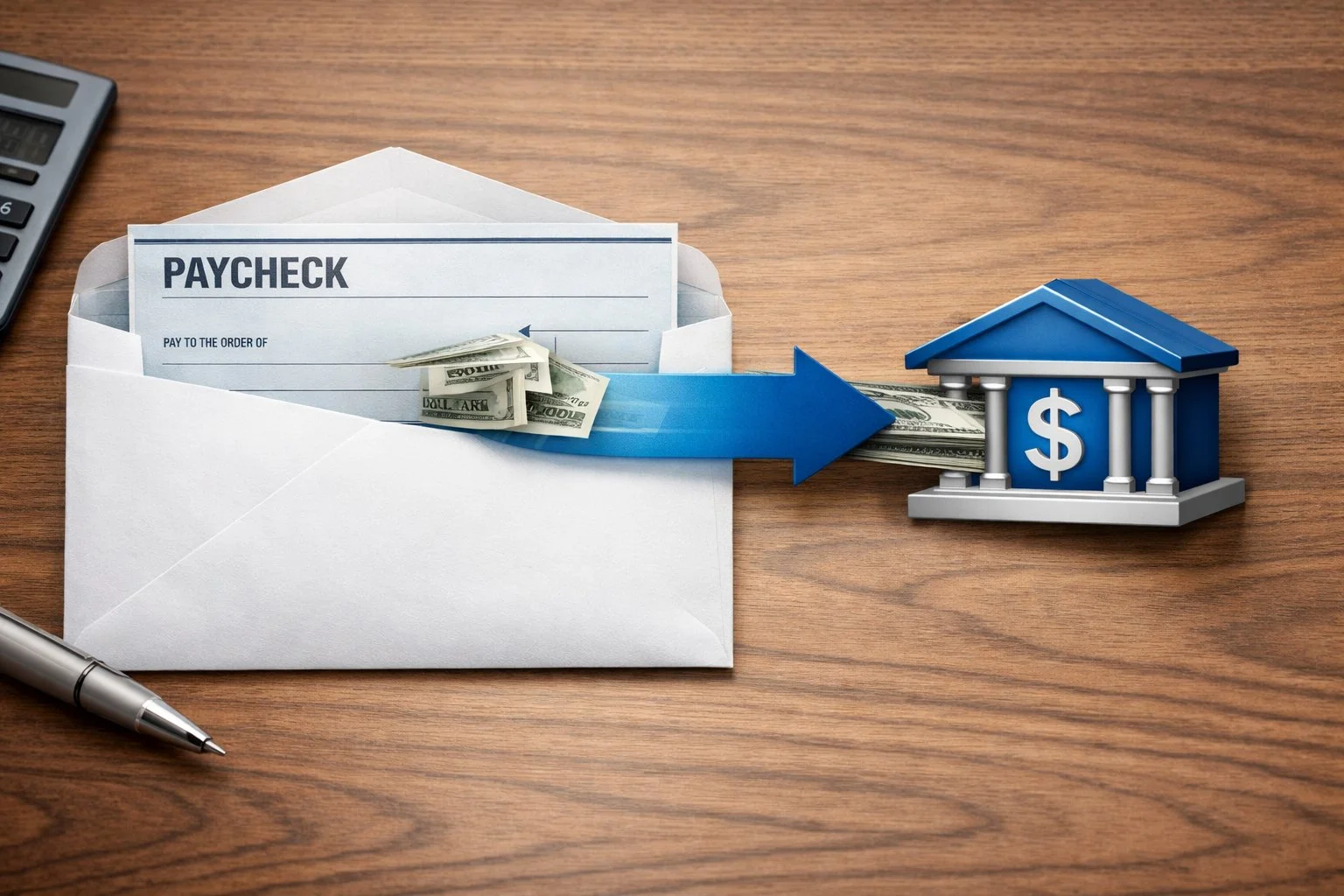
Once a tax warrant is filed or a debt is fixed and final, New York State can take enforcement actions.
Wage garnishment (income execution)
The state can require your employer to withhold part of your wages.
Key points:
A portion of your income is taken before you receive it
Employers must comply
This can apply to owner-employees as well
Wage garnishment continues until the debt is resolved or another arrangement is approved.
Bank levies and asset seizures
A bank levy allows the state to freeze and take money from your bank account.
Important details:
Business and personal accounts can be targeted
Operating accounts are not protected
Timing matters because funds on hand may be seized
Some funds may be exempt, but businesses often have fewer protections.
Property liens and seizure
Tax warrants create liens on property you own.
This can affect:
Real estate
Business equipment
Inventory in some cases
Selling or refinancing property becomes difficult or impossible until the lien is addressed.
License and registration suspensions
New York State can suspend:
Driver’s licenses
Vehicle registrations
Certain professional licenses
This is especially disruptive for people who rely on driving or licensed work to earn income.
Tax refund offsets
The state can intercept:
New York State tax refunds
Federal tax refunds in some cases
Refunds are applied to your debt before you ever see the money.
Private Collection Agencies and Public Disclosure
If internal collection efforts fail, New York State may take additional steps.
Private collection agencies
Some debts are sent to private collectors working on behalf of the state. This adds:
More pressure
More communication
Potential additional fees
Public disclosure
Certain large debts may appear on public debtor lists. This creates reputational risk, especially for business owners and professionals.
How Long New York State Can Collect
Time alone does not solve New York State tax debt.
The 20-year collection period
New York State generally has up to 20 years to collect certain tax debts. This period often starts when the debt could first be enforced, not when it was discovered.
Why waiting makes things worse
During that time:
Interest continues to grow
Penalties may continue
Enforcement actions remain possible
Many people are surprised to learn how long these debts can follow them.
How to Resolve New York State Tax Debt

There are several ways to fix a New York State tax problem. The right option depends on your situation.
Pay in full
Paying the full balance:
Stops enforcement actions
Ends interest and penalties
Leads to the release of liens and warrants
This is not always realistic, but it is the fastest resolution.
Installment Payment Agreements (IPA)
An installment agreement lets you pay over time.
Key points:
Payments are made monthly
Enforcement actions are usually paused
Warrants often remain until paid off
Missing payments can cancel the agreement and restart enforcement.
Offer in Compromise (OIC)
An Offer in Compromise allows you to settle for less than you owe in certain cases.
It may apply if:
You cannot afford full payment
Collecting the full amount is unlikely
There is a legitimate dispute in limited cases
Approval is not automatic. Many offers are rejected if not prepared carefully.
Voluntary Disclosure Program
This program helps taxpayers who failed to file or report taxes.
Benefits include:
Reduced penalties
Avoidance of criminal issues
A structured path back into compliance
This option is especially useful for businesses that discovered past errors.
Final Thoughts: What Business Owners Should Do Next
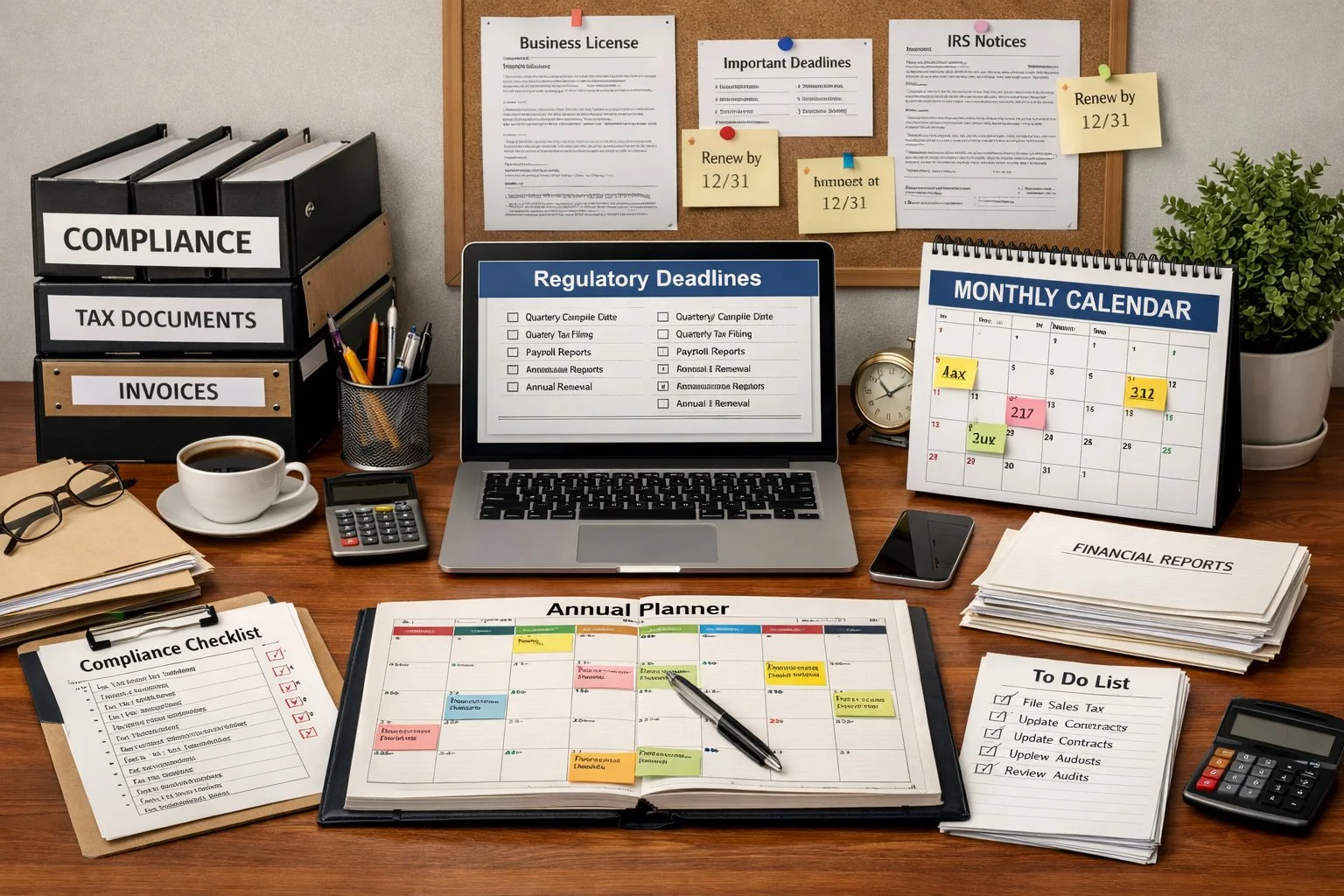
If you owe money to New York State, the most important step is to act early.
The state’s collection powers are strong, but most tax problems do not start with enforcement. They start with notices and grow worse through inaction. The earlier you respond, the more control you keep.
You should strongly consider professional help if:
Enforcement actions have started
You owe sales tax or payroll taxes
Multiple years are involved
Your business or personal assets are at risk
To prevent future issues:
Track sales tax and payroll carefully
File on time, even if you cannot pay
Plan estimated taxes throughout the year
Treat compliance as part of running the business
New York State tax problems can feel overwhelming, but they are usually solvable. The key is understanding what is happening, knowing your options, and taking action before the state takes it for you.
If you have already received a notice or want to better understand what those letters mean, read our detailed guide on what happens if you get a tax notice from New York State. It walks through the different types of notices, how to respond, and when taking action early can prevent more serious collection steps.
Frequently Asked Questions
Can New York State freeze my business bank account?
Yes. New York State can levy business accounts, including operating accounts.
Does a tax warrant affect my credit?
Tax warrants are public records and can affect financing and business transactions.
Can the state take business assets?
Yes. Assets and property may be seized depending on the situation.
What happens if I ignore a tax warrant?
Enforcement actions can increase, including levies, garnishments, and license suspensions.
Is bankruptcy an option for New York State tax debt?
In some cases, certain tax debts may be addressed through bankruptcy, but many state taxes are not easily discharged. Professional advice is critical here.
Can New York State intercept my tax refund to pay what I owe?
Yes. New York State can apply your state or federal tax refunds toward your outstanding tax debt.
How long can New York State collect a tax debt I owe?
The state generally has up to 20 years to pursue collection of a tax debt.