How Long Do You Have to Respond to a New York State Tax Notice?

Gary Gal
Getting a letter from the New York State Department of Taxation and Finance can stop your day cold. You open the envelope, skim a few lines, and suddenly your mind jumps to worst-case scenarios. Did I mess up my taxes? Do I owe money? Am I in trouble?
Don’t panic.
A New York State tax notice does not mean you did something wrong. In many cases, the state just needs more information or wants to clear up a small issue. What matters most is what you do next and how fast you do it.
Here’s a direct answer. Most New York State tax notices require a response within 30 days, but some notices allow 15, 60, or even 90 days, depending on the type of notice. The exact deadline is always written on the notice itself, and missing it can lead to penalties, interest, or collection action.
In this guide, you will learn:
Where to find your exact response deadline
Why New York State uses different timelines
How deadlines change by notice type
What happens if you miss the deadline
Whether you can get more time
How to respond the right way and stay in control
Where to Find Your Exact Response Deadline on a NYS Tax Notice
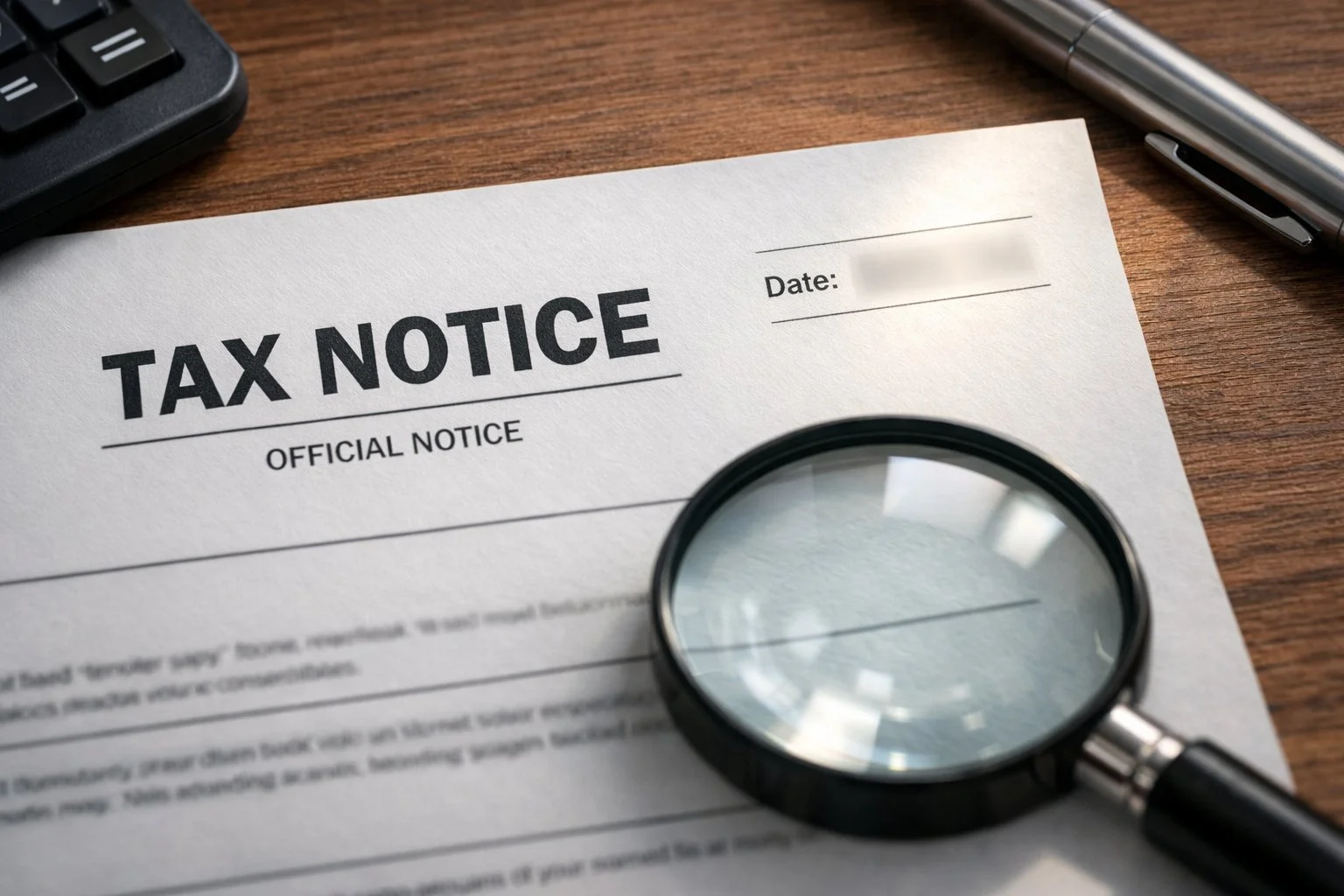
The most important date on your tax notice is not always the easiest one to spot. Many people miss deadlines simply because they do not know where to look.
Here is how to find it.
Look at the upper-right corner first
Most New York State tax notices list the response deadline near the top of the page. This area often includes:
The notice date
A “respond by” or “reply by” date
A reference or case number
Do not assume the deadline is 30 days from when you opened the letter. The clock usually starts from the date printed on the notice, not the day you received it.
Read the main message carefully
Some notices explain the deadline in the body of the letter. Look for phrases like:
“You must respond by”
“Please reply within”
“If we do not hear from you by”
This section also explains what the state expects from you. It may ask for documents, payment, or a response even if you disagree.
Do not confuse response dates with payment dates
Some notices list more than one date. For example:
One date to respond or provide documents
Another date to pay, if payment is required
Missing either can cause problems, so always check which action matches which date.
Check the notice or form number
The notice number, often printed at the bottom or top of the page, can help you understand the type of notice you received. Different notice types come with different timelines, which we will cover next.
Why New York State Response Deadlines Vary

If New York State sends so many tax notices, why not use the same deadline for all of them?
The answer is simple. Not all tax issues carry the same level of risk.
Low-risk notices allow more flexibility
Some notices are routine. They may ask for missing information or remind you to file a return. These notices usually allow more time because they are not urgent.
Higher-risk issues move faster
Notices related to audits, underreported income, or unpaid taxes often have shorter timelines. The state wants to protect revenue and prevent long delays.
Enforcement stage matters
The further along your case is, the less time you may have. Early notices focus on fixing errors. Later notices focus on collecting money or enforcing compliance.
This is why it is dangerous to assume all tax notices work the same way. The deadline depends on what stage your account is in and what the state needs from you.
Common New York State Tax Notices and Their Typical Response Windows

Below are the most common notice types business owners and professionals receive, along with how response windows usually work. Always follow the deadline on your specific notice, even if it differs from what is listed here.
Reminder to File Notices
These notices are sent when New York State believes you did not file a required tax return.
This can happen if:
A return was filed lates
A return was sent to the wrong address
The state received income information but no matching return
Typical response window: About 30 days
What New York State expects:
File the missing return, or
Explain why you are not required to file
If you ignore this notice, the state may estimate your tax based on available data, which is often higher than reality.
Check out our full guide on what will happen if you ignore a New York State Tax Notice.
Requests for Information or Audit Notices
These notices ask you to prove information reported on your return. This could include:
Income records
Expense receipts
Business deductions
Sales tax records
Typical response window: 15 to 30 days
Why the timeline is shorter:
The state is actively reviewing your return
Refunds may be delayed until you respond
Audit timelines are regulated
If you need more time, you usually must ask before the deadline passes.
Proposed Changes or Notice of Deficiency
These are more serious notices. They tell you that New York State plans to change your tax return or believes you owe additional tax.
Typical response window: Often up to 90 days to dispute or appeal
What makes this notice different:
It includes appeal rights
Missing the deadline may lock in the tax bill
It moves your case into a legal stage
Even if you plan to dispute the notice, you must respond on time to protect your rights.
Collection and Enforcement Notices
These notices appear when a balance has not been paid or resolved.
They may mention:
Payment demands
Wage garnishment
Bank levies
License suspension
Typical response window: Often 30 to 60 days, sometimes less
At this stage, delays can lead to direct financial consequences, so timing is critical.
What Happens If You Miss the Response Deadline

Missing a deadline does not make the problem go away. It usually makes it worse.
Here is what can happen if you do nothing.
You may lose your right to appeal
Some notices allow you to dispute the state’s decision. If you miss the response window, you may permanently lose that option.
Penalties and interest can grow
Interest starts adding up quickly. Penalties may be added on top of that, even if the original issue was small.
The state may decide for you
If you do not respond, New York State can adjust your return or estimate your tax without your input. These estimates are often higher than what you actually owe.
Collection actions may begin
Ignoring deadlines can lead to:
Bank account freezes
Wage garnishment
Tax liens
Business or professional license suspension
Most of these actions happen without further warning once deadlines pass.
Can You Get More Time to Respond?
Sometimes, yes. But only if you act early.
When extensions are possible
New York State may allow more time if:
You are waiting on records
Your accountant needs additional time
The request is reasonable and timely
How to request more time
Contact the department using the number on your notice
Make the request before the deadline
Document the request in writing if possible
What does not stop the clock
Ignoring the notice
Assuming silence means approval
Waiting until after the deadline
Extensions are not automatic. You must ask.
How to Respond to a New York State Tax Notice on Time
Once you know your deadline, the next step is responding correctly.
Responding online
New York State’s Online Services portal allows you to:
Respond to notices
Upload documents
Make payments
Track your account
Online responses are faster and create a digital record, which helps if questions come up later.
If you want a deeper explanation about this, check out our full guide about How to Respond to a New York State Tax Notice Online.
Responding by mail
If you respond by mail:
Follow the instructions exactly
Send copies, not originals
Include your notice number
Keep proof of mailing
Mail responses take longer to process, so allow extra time.
Paying vs disputing
Responding does not always mean paying right away.
You can:
Agree and pay
Disagree and explain
Request a payment plan
Provide documents for review
The key is responding before the deadline, even if you do not have all the answers yet.
Final Thoughts

New York State tax notices are time-sensitive, but they are not automatic disasters. Most problems escalate because people wait too long or ignore the letter entirely.
If you remember only one thing, let it be this. The deadline on your notice matters more than anything else.
Read the notice carefully. Find the response date. Take action early. And if the situation feels complex or risky, getting professional help can save time, money, and stress.
The key is to act early and stay on top of any deadlines. If you want a more detailed, step-by-step guide on what to do after receiving a New York State tax notice, you can check out our complete guide on handling NYS tax notices.
Frequently Asked Questions
Does the response deadline start when I receive the notice?
No. It usually starts from the date printed on the notice, not the day it arrives.
What if I never received the notice?
New York State generally considers notices delivered once mailed. If you believe you missed a notice, contact the department immediately.
Are business tax notices different from personal tax notices?
Yes. Business-related notices often involve sales tax, payroll tax, or audits, and timelines may be shorter.
Can I respond late if I have a good reason?
Late responses are sometimes accepted, but penalties or lost rights may still apply. Always respond as soon as possible.
What happens if I miss the deadline to respond to a New York State tax notice?
Missing the deadline can lead to penalties, interest, or loss of your right to dispute the notice.
Can I request more time to respond to a New York State tax notice?
Some notices allow extensions, but you must request it before the original deadline listed on the notice.
Do all New York State tax notices have the same response deadline?
No, response deadlines vary by notice type, typically ranging from 30 to 90 days.