What Happens to Real Estate During Probate in the US?

Gary Gal

Probate is one of those topics most people know a little bit about, but feel lost once real property is involved. If someone you know passes away and leaves a house behind, you might think the kids just take over. In reality, during this time, the court watches over the property, an appointed executor manages it, and the home is either transferred to heirs or sold to pay debts.
In this post, we’ll break down exactly what happens when real estate enters probate in the US. At the end, you will learn:
How the probate process works step by step
What happens to real estate during probate
How long probate takes for property
How executors handle selling a house in probate
Ways to avoid probate for real estate
What happens if there’s no will
Tax implications and practical tips for heirs and business owners
Let’s break it down in plain language that’s easy to follow.
What is Probate and How Does It Work?
Probate is the legal process where the court checks a will (if there is one), appoints someone to manage the estate, pays debts and taxes, then passes the remaining property to the right people.
Probate starts after someone dies. The court makes sure that:
The will is valid
A responsible person (called an executor or personal representative) is in charge
All debts, taxes, and expenses get paid
Property, including real estate, goes to heirs
How Real Estate is Handled During Probate
While the estate is in probate, the deceased person’s real estate does not automatically belong to heirs. Instead, the executor manages it under the court’s supervision until it is either sold or legally transferred to heirs.
Here’s how that plays out:
1. Legal Control Shifts
The property becomes part of the estate. The executor is responsible, even if the heirs want to live in the house.
Heirs don’t own the property yet
The estate technically owns it
2. Appraisal and Listing
Before anything happens, the property is appraised to find its fair market value. This helps the court and heirs understand what it’s worth.
A licensed appraiser usually does this
The value is used for tax purposes and potential sale pricing
3. Court‑Approved Sale
If the estate needs to sell the property, the executor often has to get court permission first. Many states require that offers be presented at a hearing so others can make higher bids.
Example of sale steps:
Executor gets an offer
Court hears the offer
Anyone can bid higher in some states
Highest approved bid wins
4. Debt Settlement
If the deceased had a mortgage or other debts tied to the property, the sale proceeds (or other estate funds) may be used to pay them.
Mortgage must be addressed
Other liens or taxes also must be paid
5. Transfer to Beneficiaries
Once debts and expenses are paid, the remaining property or sale proceeds go to the heirs.
Title is transferred with a deed
This usually requires a court order
6. Occupancy Limits
An heir might live in the house during probate, but legally the estate owns it until the court finalizes transfer.
For business owners, probate can affect properties owned personally or through a business. Understanding this process helps you plan better and avoid surprises.
Selling Property During Probate

A property in probate can be sold, but the executor must usually get court approval. The sale proceeds pay debts first, and only then do beneficiaries receive what’s left.
Here’s how a sale typically works:
Executor Responsibilities
Get the home appraised
Work with a real estate agent, often one familiar with probate sales
Present offers to the court if required
Attend confirmation hearings
Example Timeline for Sale
Appraisal done
House listed on the market
Offers received
Court confirmation hearing
Sale approved and closed
Costs and Fees
Probate sales include additional costs:
Cost Type | Who Pays | Typical Reason |
Executor Fee | Estate | Paid for managing probate |
Attorney Fee | Estate | Legal work throughout process |
Court Fee | Estate | Filing and supervision costs |
Appraisal Fee | Estate | Determine fair market value |
Real Estate Commission | Estate | Realtor fees if property listed |
These costs can reduce what heirs ultimately receive.
How Long Probate Takes for Property

Probate for real estate usually takes 6 to 24 months, depending on complexity, whether there are disputes, and how many assets need to be managed.
General Timeline
Step | Typical Time |
Filing petition | 1–2 weeks |
Appoint executor | 2–6 weeks |
Asset inventory and appraisal | 4–12 weeks |
Pay debts and taxes | 3–9 months |
Transfer property or sell | 6–24+ months |
What Slows It Down
Disagreements among heirs
Multiple properties in different states
Complex debts or liens
Court backlog
For business owners with real estate tied to a business, longer timelines can mean lost rental income or missed opportunities. Planning helps keep things faster and smoother.
Exceptions: When Real Estate Bypasses Probate

There are ways to transfer real estate without probate if the property was set up that way before death.
Common Probate Avoidance Tools
Revocable Living Trust
Property titled to the trust passes outside probate
Owner keeps control during life
Beneficiaries get it immediately after death
Joint Tenancy with Right of Survivorship
Co‑owners automatically inherit
No probate required
Transfer‑on‑Death (TOD) Deeds
Available in many states
Owner names beneficiary who gets property when owner dies
No court involvement
These tools can save time and cost. For business owners, using a trust or TOD deed may prevent interruptions in business operations tied to real estate.
Intestate Succession and Special Cases
If someone dies without a valid will, the state’s intestate succession laws decide who gets the real estate.
How Intestate Succession Works
If there’s no will:
A court appoints a personal representative
The probate court follows state law to distribute assets
Usually spouse and children are first in line
Special Situations
Blended families: Stepchildren may not inherit unless named in a will
Co‑owned property: Ownership type determines outcome
Business real estate: May follow business succession rules as well as probate
This is why having a valid will or trust matters, especially for families with multiple heirs or business partners.
If someone dies without a valid will, state intestate succession laws decide who inherits real estate. For a more detailed explanation of how property is distributed, what heirs can expect, and planning options to avoid probate complications, see our comprehensive guide: [What Happens to Your Real Estate If You Die Without a Will in the US?].
Tax Implications for Inherited Real Estate

When heirs inherit real estate, they often get a step‑up in tax basis, which can reduce capital gains taxes if they sell the property later.
What a Step‑Up in Basis Means
The property’s tax basis resets to fair market value at the date of death
If heir sells the property soon after inheritance, capital gains tax may be minimal
Other Tax Notes
In some states, property tax reassessment after inheritance can increase ongoing taxes
Estate taxes may apply for very large estates
Consult a tax professional for business‑linked properties to avoid surprises
For business owners, tax planning is especially important when real estate is part of the estate.
Practical Tips for Executors and Heirs
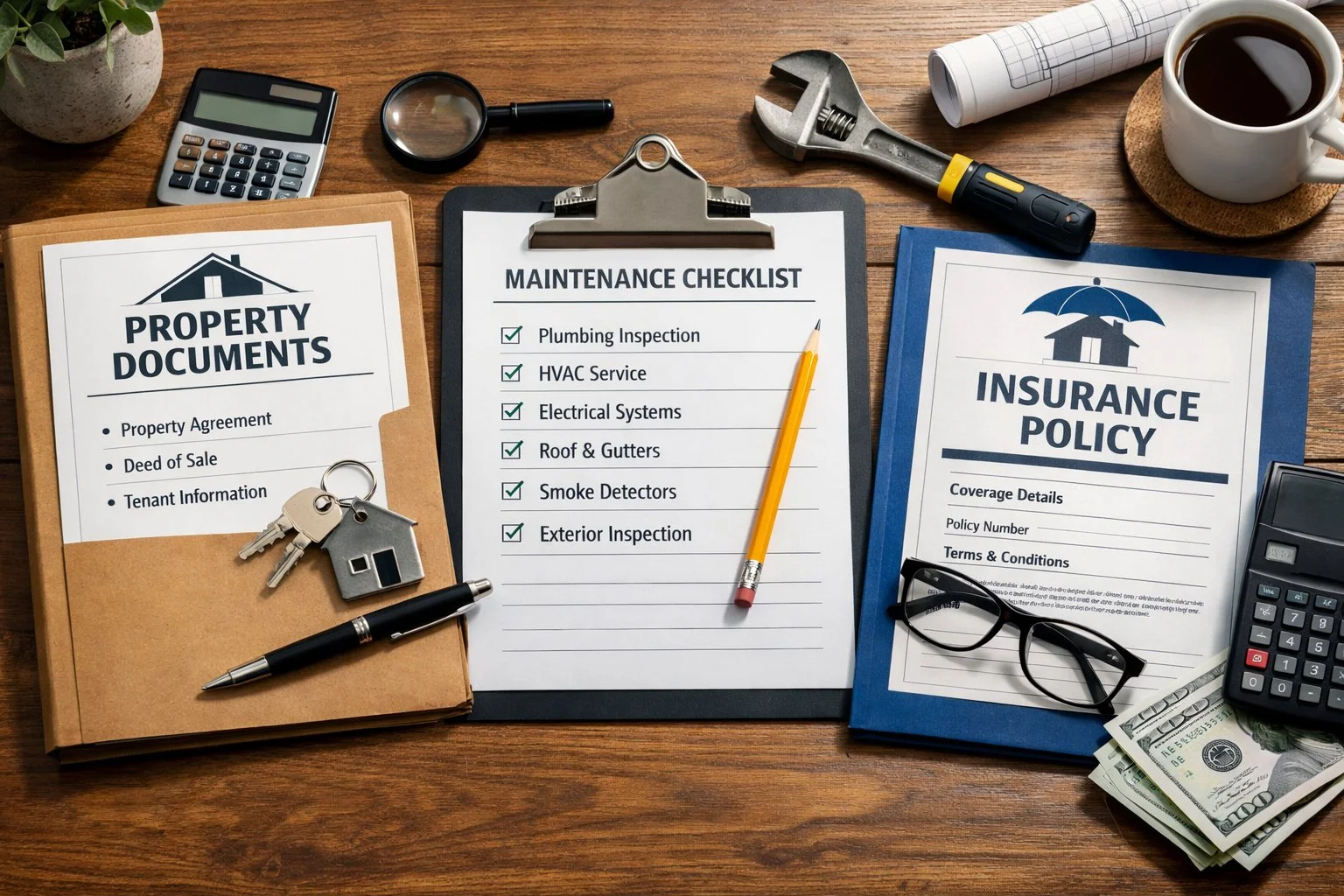
Executors and heirs should follow clear steps to manage probate property responsibly and avoid unnecessary delays or costs.
Executor Checklist
Inventory real estate and get appraisals
Continue insurance, taxes, and utilities
Consider hiring a probate‑experienced agent
Notify creditors promptly
Keep detailed records for court
Heir Tips
Understand your rights but let the executor follow the court process
Stay in communication about maintenance and plans for the property
Get professional advice on taxes and legal steps
Clear communication and organization make probate easier for everyone involved.
Variations by State: Key Differences to Know
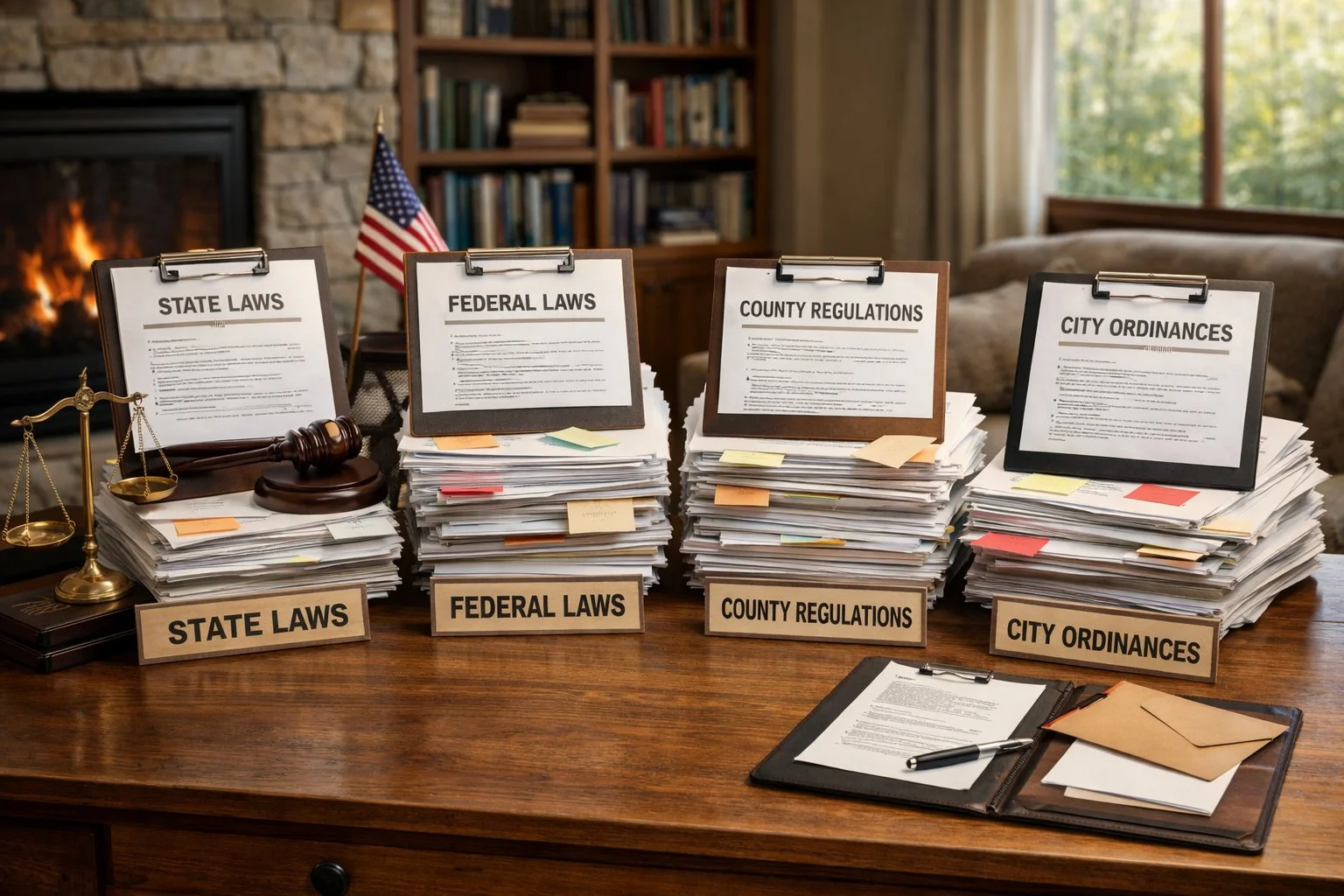
Probate rules vary a lot by state, affecting timelines, fees, simplified processes, and forms of probate avoidance.
Examples of Differences
Some states have small estate procedures for low‑value estates
States like California may require overbidding at sale hearings
Transfer‑on‑Death deed availability differs by jurisdiction
Community property states (e.g., CA, TX) treat ownership and taxes differently
Because of these variations, it’s a good idea to consult state‑specific resources or an attorney familiar with your state’s probate laws.
Conclusion
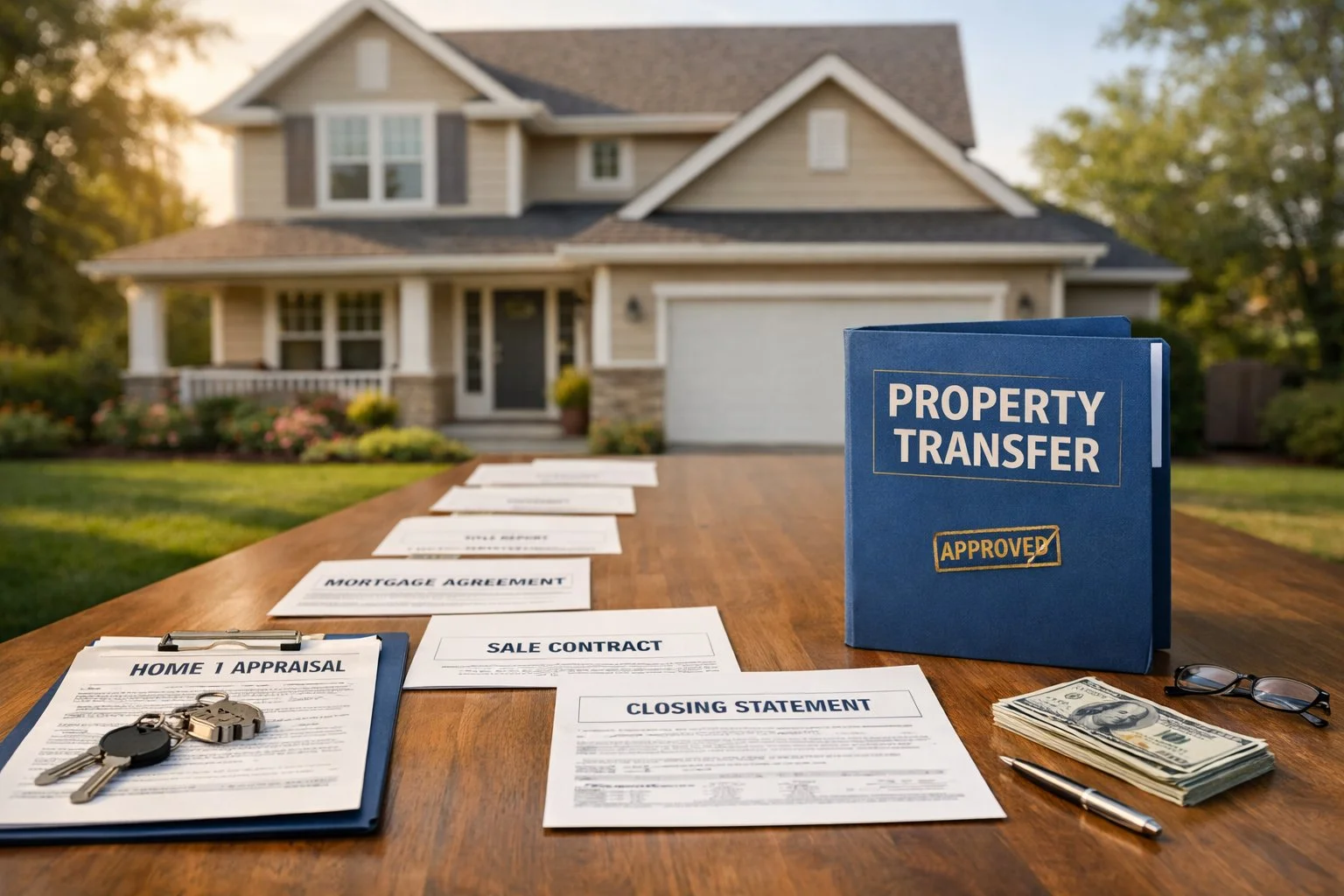
During probate, real estate doesn’t automatically pass to heirs. The court oversees the process, the executor manages the property, and any debts or taxes must be paid before heirs receive their share. Understanding how probate works can help you plan ahead, avoid costly delays, and protect your family’s or business’s real estate assets.
If you own property, run a business, or want to make sure your heirs are taken care of, start planning today. Talk to an estate attorney or tax professional to explore trusts, transfer-on-death deeds, and other strategies that can simplify real estate transfers and keep your assets protected. Take control of your estate planning now so your property passes exactly as you intend.
For a full guide to planning your estate and leaving real estate to your heirs, check out our main comprehensive guide discussing "What Every Parent in the US Should Know Before Leaving Real Estate in a Will".
Frequently Asked Questions
Does every house go through probate?
Not always. If the house is in a living trust, held with survivorship rights, or has a transfer‑on‑death deed, it may bypass probate.
How long does probate take for a house?
Typically 6–24 months, but it depends on complexity and whether the property must be sold.
Can real estate be sold during probate?
Yes, but most states require court approval and a confirmation hearing before the sale is final.
What are probate fees for property?
Fees can include executor fees, attorney fees, court costs, appraisal costs, and real estate commissions.
Will heirs pay taxes when they inherit property?
Heirs may benefit from a step‑up in basis, reducing capital gains tax. State property taxes and estate tax rules vary.
Who maintains the property during probate?
The executor is responsible for maintaining the property, including paying for insurance, taxes, and basic upkeep during probate.
Can heirs refuse to accept inherited real estate?
Yes, heirs can legally disclaim the property, which means it will pass to the next eligible beneficiary under the will or state law.