Real Estate Financial Planning Explained for US Property Owners

Gary Gal

Real estate is one of those things people think they understand until tax season shows up, or until they try to sell, refinance, or pass a property to their kids.
Owning property feels simple on the surface. You buy it. You pay the mortgage. Maybe you collect rent. But behind the scenes, real estate touches taxes, cash flow, debt, legal risk, and long-term family planning all at once.
That is where real estate financial planning comes in.
This guide breaks down real estate financial planning in a way that actually makes sense and can easily be understood. By the end, you will learn:
What real estate financial planning really means
How cash flow and budgeting shape property success
How taxes and depreciation affect real estate income
How debt and financing should be managed
How to think about growth, risk, and long-term planning
Why estate and exit planning matter for property owners
What Is Real Estate Financial Planning?
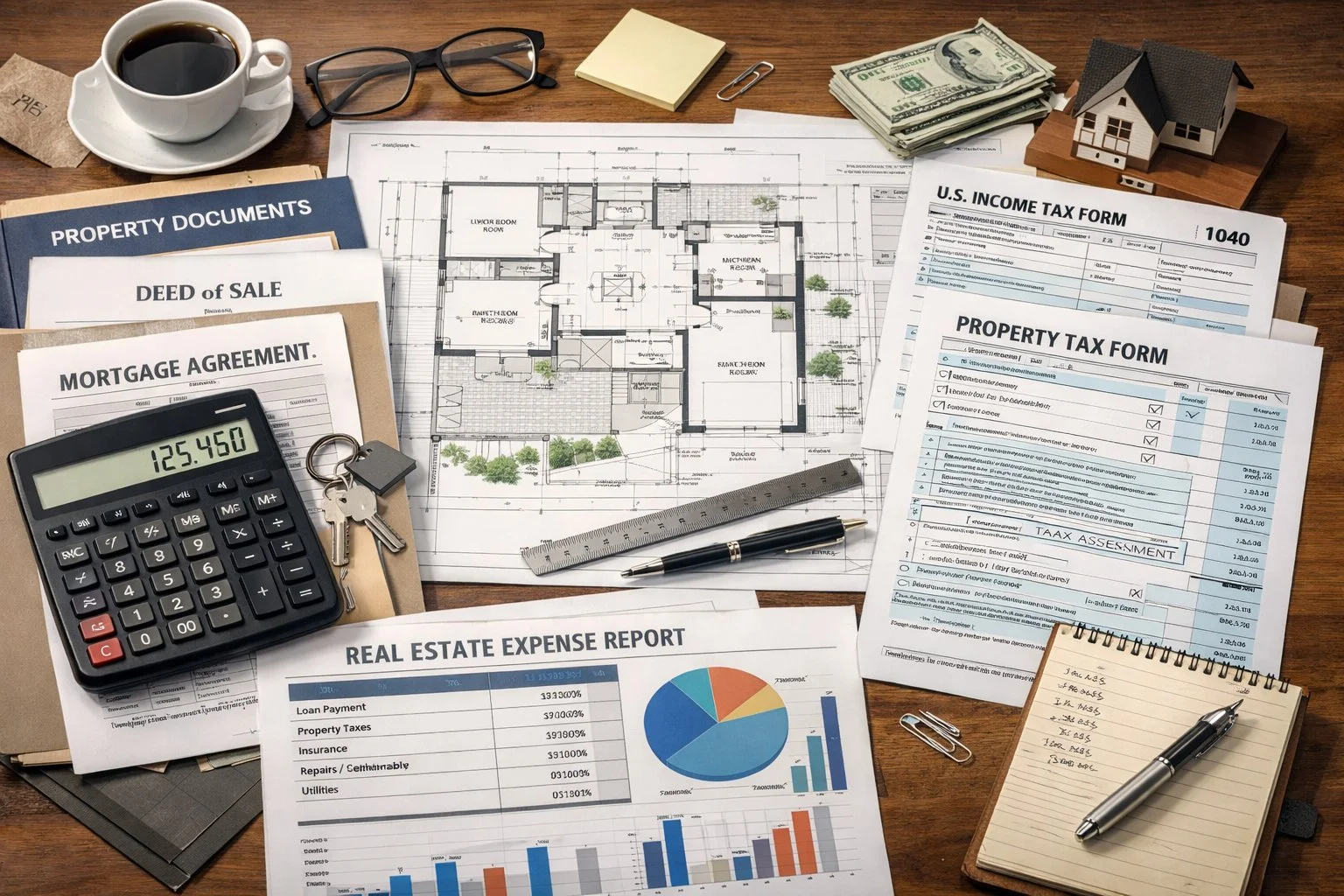
Real estate financial planning is the process of managing your property in a way that supports your long term financial goals.
It answers questions like:
Is this property helping or hurting my cash flow?
Am I paying more tax than I should?
Should I hold, sell, or improve this property?
What happens to this property if something happens to me?
This type of planning looks at:
Income and expenses
Taxes and deductions
Debt and financing
Risk and protection
Estate and exit planning
Unlike general financial planning, real estate planning focuses heavily on cash flow and tax strategy. One smart tax move can save thousands of dollars each year.
Why Real Estate Requires a Different Financial Plan

Real estate is not like a savings account or a stock portfolio.
When you own property, you are dealing with:
Large dollar values
Ongoing expenses
Debt that lasts decades
Taxes that change based on how you use the property
Legal rules that differ by state
A bad decision with real estate does not just hurt for a month. It can affect your finances for years.
For business owners and professionals, this gets even more complex. You might have:
Business income and personal incomes
Multiple tax filings
Limited time to manage details
Higher audit risk
Real estate financial planning helps you step back and look at the full picture so your property supports your financial goals instead of creating stress.
Setting Clear Financial Goals for Your Real Estate

Before talking about taxes or strategies, you need to know what your property is supposed to do for you.
Common Financial Goals for US Property Owners
Most property owners fall into one or more of these goals:
Cash flow: You want a steady monthly income from rent.
Tax reduction: You want to lower how much tax you owe each year.
Property growth: You want the property value to increase over time.
Retirement income: You want property income to support you later in life.
Family and legacy planning: You want to pass property to your children or family.
A property that is great for one goal may be bad for another. A rental with high depreciation may lower taxes but produce low cash flow. Planning helps you balance this.
Aligning Property Goals With Business and Personal Income
Your income type matters.
If you earn:
W-2 income
Business income
1099 income
Your tax options change.
For example, some real estate losses can offset business income but not W-2 income unless special rules apply. This is why real estate planning cannot be one size fits all.
Cash Flow Planning and Budgeting for Property Owners

Cash flow is the heartbeat of real estate.
Understanding Real Estate Cash Flow
Cash flow is what is left after all expenses are paid.
Income includes:
Rent
Fees
Other property income
Expenses include:
Mortgage payments
Property taxes
Insurance
Repairs
Utilities
Management fees
Many owners only look at rent minus mortgage. That is a mistake. Small expenses add up fast.
Effective cash flow planning starts with accurate tracking. If you want a step-by-step guide on how to calculate and monitor rental income and expenses, see our guide about how to track cash flow for rental properties in the US.
Using Profit and Loss Statements for Property Decisions
A simple monthly profit and loss statement helps you:
See if a property is truly profitable
Spot rising expenses early
Plan taxes more accurately
Separating fixed costs like mortgages from variable costs like repairs makes planning easier.
Good records also make tax time smoother and reduce audit risk.
Tax Planning Strategies Every US Property Owner Should Understand

Taxes are one of the biggest reasons people plan real estate carefully.
Common Real Estate Tax Deductions
Most property owners can deduct:
Mortgage interest
Property taxes
Insurance
Maintenance and repairs
Utilities
Advertising
Professional fees
These deductions lower taxable income and increase after-tax returns.
Depreciation Explained Simply
Depreciation is a tax deduction that spreads the cost of a building over time.
For residential rental property, the IRS allows depreciation over 27.5 years.
Even though property may go up in value, depreciation still lowers taxable income. This often creates what people call a paper loss, which means you reduce taxes without spending cash.
To understand more what depreciation is, we break this down step by step in our guide on how real estate depreciation works and why it matters for taxes.
Advanced Tax Strategies Used by High-Income Property Owners
Some owners go further by using:
Cost segregation to speed up depreciation
Bonus depreciation for certain improvements
Real Estate Professional Status to unlock more deductions
Passive activity planning to manage losses properly
These strategies require careful planning and professional guidance but can save large amounts in taxes.
Managing Debt and Financing Strategically
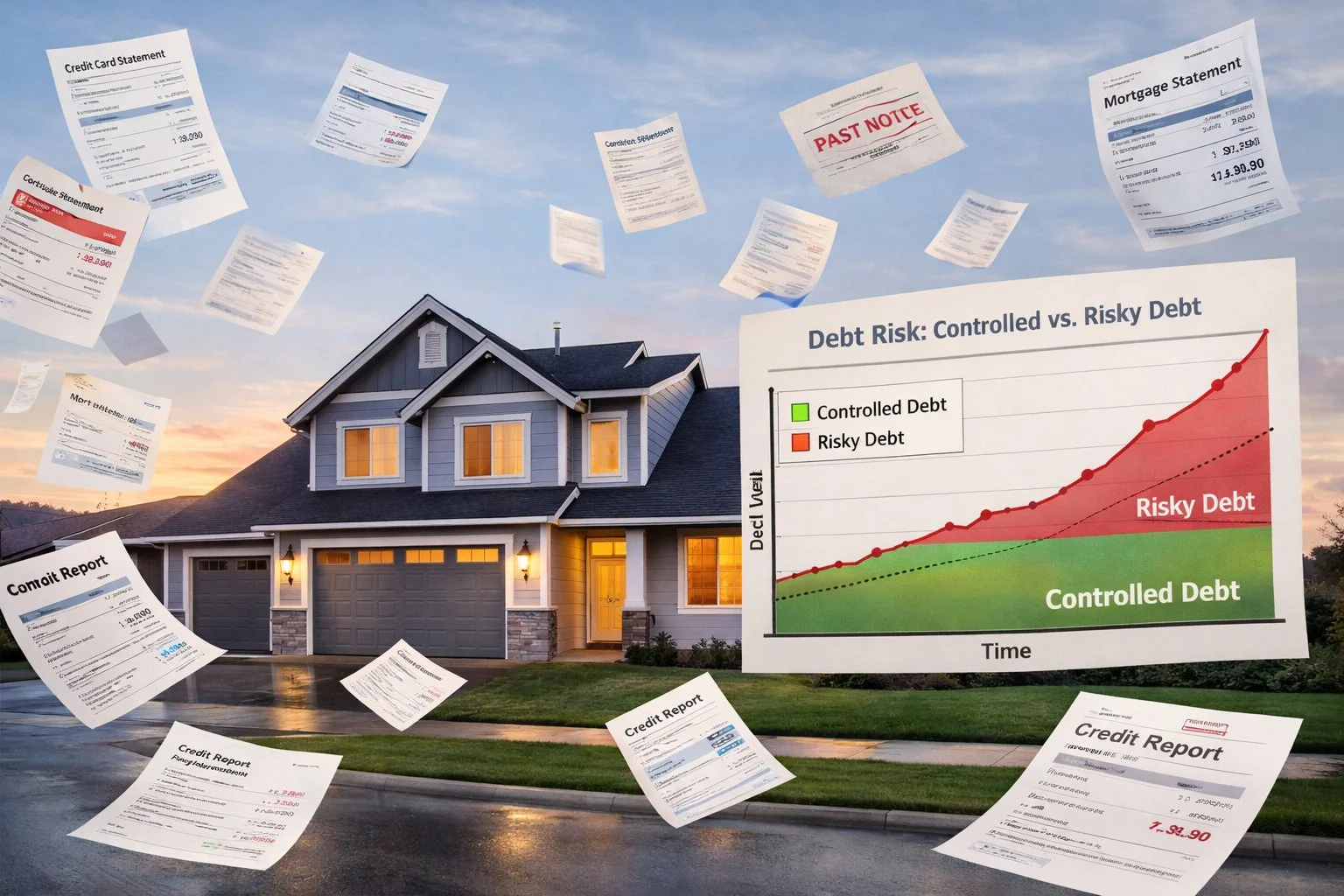
Debt can be a tool or a trap.
Good Debt vs Risky Debt in Real Estate
Good debt:
Matches the property cash flow
Has manageable interest rates
Supports long-term goals
Risky debt:
Creates negative cash flow
Has balloon payments
Adds stress during downturns
Not all debt is bad. The goal is controlled leverage.
Financing Options Commonly Used by Property Owners
Common financing tools include:
Traditional mortgages
Refinancing for lower rates
HELOCs for property improvements
Financing decisions should always be tested against cash flow and tax impact, not just interest rates.
Investment Planning and Property Growth Decisions

At some point, every owner faces the same question. Keep the property, improve it, or sell it.
Hold, Improve, or Sell?
Improvements can:
Increase rent
Increase property value
Change depreciation deductions
But not every upgrade pays off. Planning helps you understand when improvements make financial sense.
Growth and Exit Strategies
Some owners use:
1031 exchanges to defer capital gains
Opportunity zone investments
REITs for diversification without direct ownership
Exit planning is not just about selling. It is about timing and taxes.
When considering growth, many US property owners weigh whether to reinvest equity, refinance, or plan a long-term exit. For a detailed breakdown of these options, see our guide on "real estate exit strategies for US property owners”.
Risk Management and Asset Protection for Property Owners

Real estate comes with legal and financial risk.
Insurance Coverage Property Owners Often Overlook
Many owners underestimate:
Landlord insurance needs
Umbrella liability coverage
One lawsuit can wipe out years of profit without proper coverage.
Ownership Structures and Liability Planning
Some owners use LLCs for:
Liability protection
Cleaner accounting
Easier ownership transfers
But LLCs also have tax and compliance considerations. The right structure depends on the situation.
For a detailed guide on layered asset protection strategies, including insurance, LLCs, trusts, and financial planning, see our full article on Smart Asset Protection Strategies for U.S. Property Owners.
Estate and Exit Planning as Part of Real Estate Financial Planning

Property does not disappear when someone passes away.
Why Property Transfer Planning Matters
Without planning:
Property may go through probate
Heirs may face delays
Taxes may increase
Common Ways Property Is Transferred
Common methods include:
Wills
Living trusts
Transfer on death deeds
Lifetime gifting
Each option has tradeoffs in control, taxes, and complexity.
Planning the Sale or Transfer of Property
Key tax concepts include:
Capital gains tax
Step up in basis for inherited property
Planning ahead can save heirs significant money.
Part of planning for the future is deciding how your property will be passed on. If you’re thinking about transferring real estate to your children, see our guide on How to Transfer Real Estate to Children in the US: Options Every Family Should Know.
Recordkeeping and Compliance Best Practices
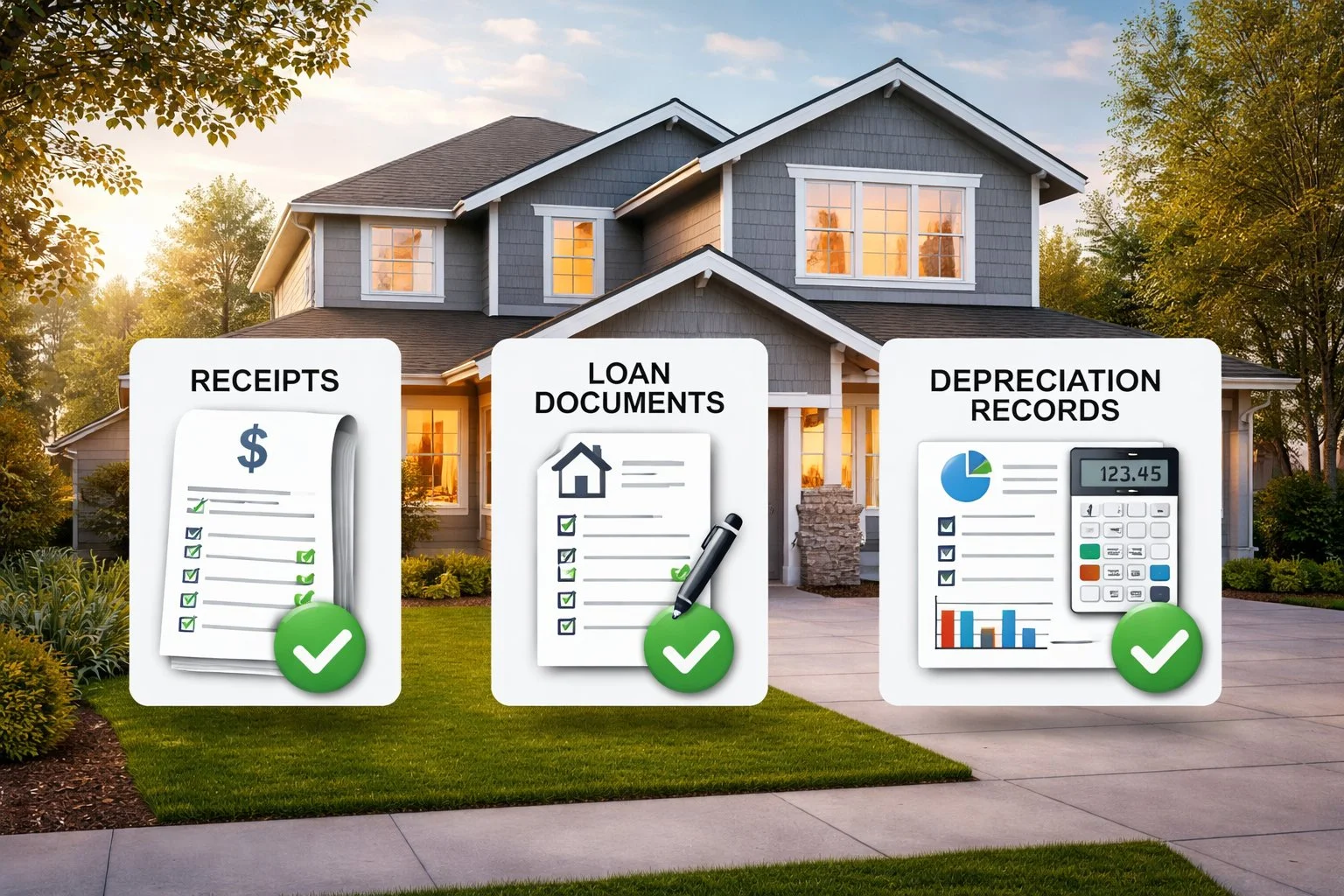
Good planning fails without good records.
Documentation the IRS Expects From Property Owners
Important documents include:
Receipts for expenses
Depreciation schedules
Loan and closing statements
Organized records support deductions and reduce audit stress.
Common Compliance Mistakes to Avoid
Frequent mistakes include:
Mixing personal and rental expenses
Forgetting depreciation
Poor documentation
These mistakes are costly and avoidable.
Final Thoughts and When to Seek Professional Guidance

Real estate financial planning is about making sure your property supports your income, taxes, and long-term goals, not creating stress or surprises later. As properties grow in value and income becomes more complex, small decisions can have a lasting financial impact.
You may want professional guidance if you own multiple properties, earn high income, use depreciation strategies, or plan to sell or transfer property. A real estate-focused CPA helps you look beyond tax filing and understand how today’s choices affect future cash flow and tax exposure.
With the right planning and support, real estate becomes a stable financial asset instead of a constant concern. Reviewing your strategy regularly helps keep your property aligned with your financial goals as your situation changes.
Frequently Asked Questions
Is real estate financial planning only for rental property owners?
No. Real estate financial planning applies to anyone who owns property, including primary homes, second homes, and investment properties. Taxes, debt, and long-term planning affect all property owners, not just landlords.
How often should I review my real estate financial plan?
At least once a year, and anytime there is a major change. Buying or selling property, changes in income, tax law updates, or life events like marriage or retirement are all good times to review your plan.
Can real estate losses offset business income?
Sometimes. Real estate losses can offset business income in certain situations, such as when you qualify as a real estate professional or meet specific IRS rules. Otherwise, losses may be limited or carried forward to future years.
Is depreciation required?
Yes. The IRS requires depreciation for rental property, even if you choose not to claim it. Skipping depreciation can lead to higher taxes later, especially when the property is sold.
What is the biggest tax mistake property owners make?
Not planning ahead. Many property owners miss deductions, forget depreciation, or make sales and transfers without understanding the tax impact, which often leads to paying more tax than necessary.
How does rental income impact long-term financial planning for property owners?
Rental income provides a steady cash flow that can cover expenses and generate profit, making it a key part of long-term financial planning. It also improves property value and borrowing power when managed effectively.
What financial risks should real estate owners plan for?
Property owners should plan for risks like vacancies, unexpected repairs, market downturns, and rising interest rates. Preparing reserves and diversifying investments helps reduce financial strain and protect long-term returns.