What Is the PTE Tax Election and How Does It Work?

Gary Gal

If you run a business, taxes can feel like a puzzle with too many missing pieces. One topic that creates a lot of confusion is the Pass Through Entity tax election, often called the PTE election. So here is the short answer before we go any further.
The PTE tax election is a state-level option that lets certain pass-through businesses pay state income tax at the entity level instead of leaving the owners to pay it on their personal returns. This shift helps owners get around the federal $10,000 SALT deduction cap by turning a limited personal deduction into a full business deduction.
Many business owners choose this election because it can reduce their federal taxable income, keep them compliant with state rules, and create more predictable tax planning. But it only works if you understand the rules in your state, make the election on time, and confirm that your entity qualifies.
In this guide, you will learn how the PTE election works, who can use it, how to make the election, its pros and cons, and how state rules differ. By the end, you will know how to decide whether it is a smart choice for your business.
How the PTE Tax Election Works

The easiest way to grasp the PTE election is to compare it to the normal pass-through tax system.
How the pass-through taxation normally works
In a standard pass-through setup:
The business does not pay federal income tax.
The profits go to the owners on a Schedule K-1.
Owners pay federal and state taxes on their share.
Owners can only deduct up to ten thousand dollars of state and local taxes.
How it works under a PTE election
When a business elects PTE status, the process shifts:
The entity makes an election through its state tax return.
Most states require an annual election and treat it as irrevocable for that year.The entity pays state income tax directly.
The tax calculation depends on the state's rules, but it is based on the business's taxable income.The entity deducts that tax at the federal level.
Because the tax is now a business expense, it reduces the pass-through income before it reaches the owners' federal returns.Owners receive a state benefit.
Depending on the state, owners either:Get a credit for their share of the tax, or
Reduce their state-level taxable income by that share.
Owners report reduced income on their federal returns.
Lower income means potentially lower federal tax.
For how this election fits within the full 2025 pass-through entity changes (including S-Corps and QBI), check out our guide on the 2025 tax changes for SMBs.
Who Qualifies for the PTE Tax Election

Eligibility varies by state, but most PTE tax programs follow a similar pattern.
Entities that usually qualify
Partnerships
S corporations
Multi-member LLCs are taxed as partnerships or S corporations
Certain trusts or fiduciaries, depending on state rules
Entities that usually do not qualify
Single-member LLCs are taxed as sole proprietors
Publicly traded partnerships
Entities owned by corporations or other pass-throughs, depending on the state
Ownership considerations
Some states allow a PTE election even if there are nonresident owners. Others require consent from all owners before the election is allowed. A few states bind all owners once the entity makes the decision, even if some owners do not agree.
In case you are wondering if an LLC can elect PTE, the simple answer is yes, as long as the LLC has more than one member and is taxed as a partnership or S corporation. Single member LLCs do not qualify because there is no pass through relationship between multiple owners.
If your business has nonresident owners, our guide on the PTE election for nonresident owners explains how state rules, credits, and withholding may affect them.
State PTE Tax Rules and Filing Requirements
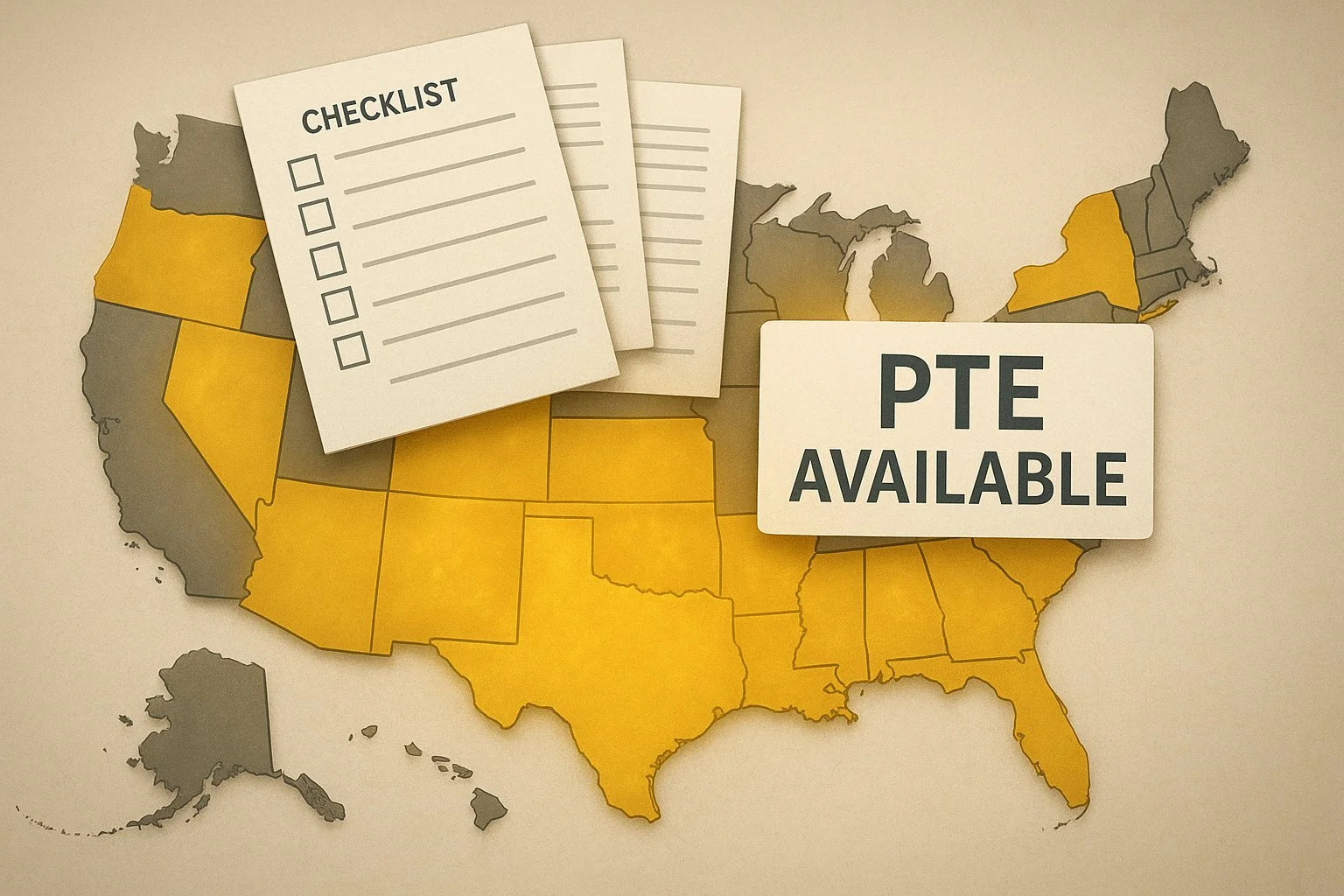
The PTE election is a state law concept, so the details depend entirely on where the business files its return. More than thirty states now offer some type of PTE program, but the rules vary enough that it is important to check your state’s specific guidance.
What most states have in common
The election is held annually.
The election applies only to that specific tax year.
The election is usually irrevocable once the return is filed.
Owners get either a credit or an income adjustment.
Estimated payments are often required.
Where states tend to differ
Tax rates. Some states match individual rates. Others use a separate PTE rate.
Deadlines. A few states require an early estimated payment to secure the election.
Owner credit rules. Some credits are refundable. Some are not.
Whether nonresident owners must participate.
Whether tiered entities qualify.
Credit states vs AGI reduction states
Credit states give each owner a credit equal to their share of the PTE tax paid.
AGI reduction states reduce the owner’s state taxable income instead.
Both methods prevent double taxation. The main difference is how the adjustment appears on the owner’s return.
If you want a deeper dive into this topic, check out our guide about "State-by-State PTE Election". This will give you an idea about the rules on the PTE tax election, including rates, credits, and deadlines of each states.
How to Make a PTE Tax Election
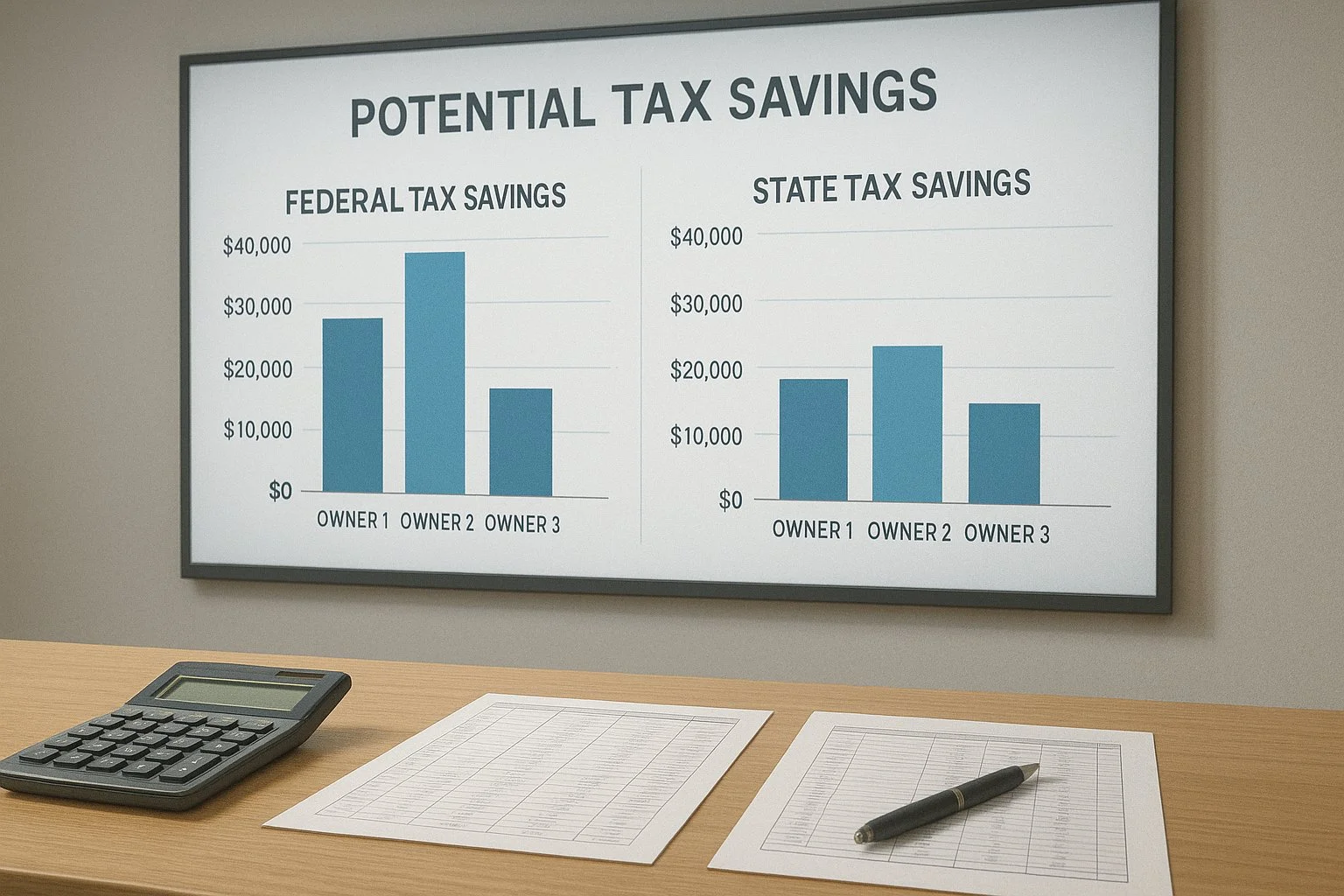
The process is not complicated, but it is technical enough that missing a deadline can cost you the entire benefit for the year. Here is the cleanest way to think about the steps.
Step 1. Confirm that the entity qualifies
Check the ownership structure, the type of entity, and the state’s eligibility list.
Step 2. Review your state’s election method
Some states require a separate election form. Others treat the estimated payment or the return filing as the election. States also differ in whether owner consent is required.
Step 3. Model the tax impact
Before filing anything, run a projection for all owners. This includes:
Federal impact
State credits
Whether credits can be used or carried forward
Cash flow timing
Effects on nonresident owners
The PTE election is not automatically beneficial. In some cases, a nonrefundable credit or a multi state income spread may shrink the savings.
Step 4. Make the required estimated payments
Many states require a payment before the end of the year. Some require it before June 15. Missing these can invalidate the election.
Step 5. File the entity-level return
This is where the election becomes final for the year.
Step 6. Provide documentation to owners
Owners need details for their state returns, usually through a schedule, statement, or modified K-1.
If you want a step-by-step breakdown of what you should review before the year closes, check out our full year-end tax planning checklist for pass-through businesses.
PTE Tax Election for LLCs and S Corporations
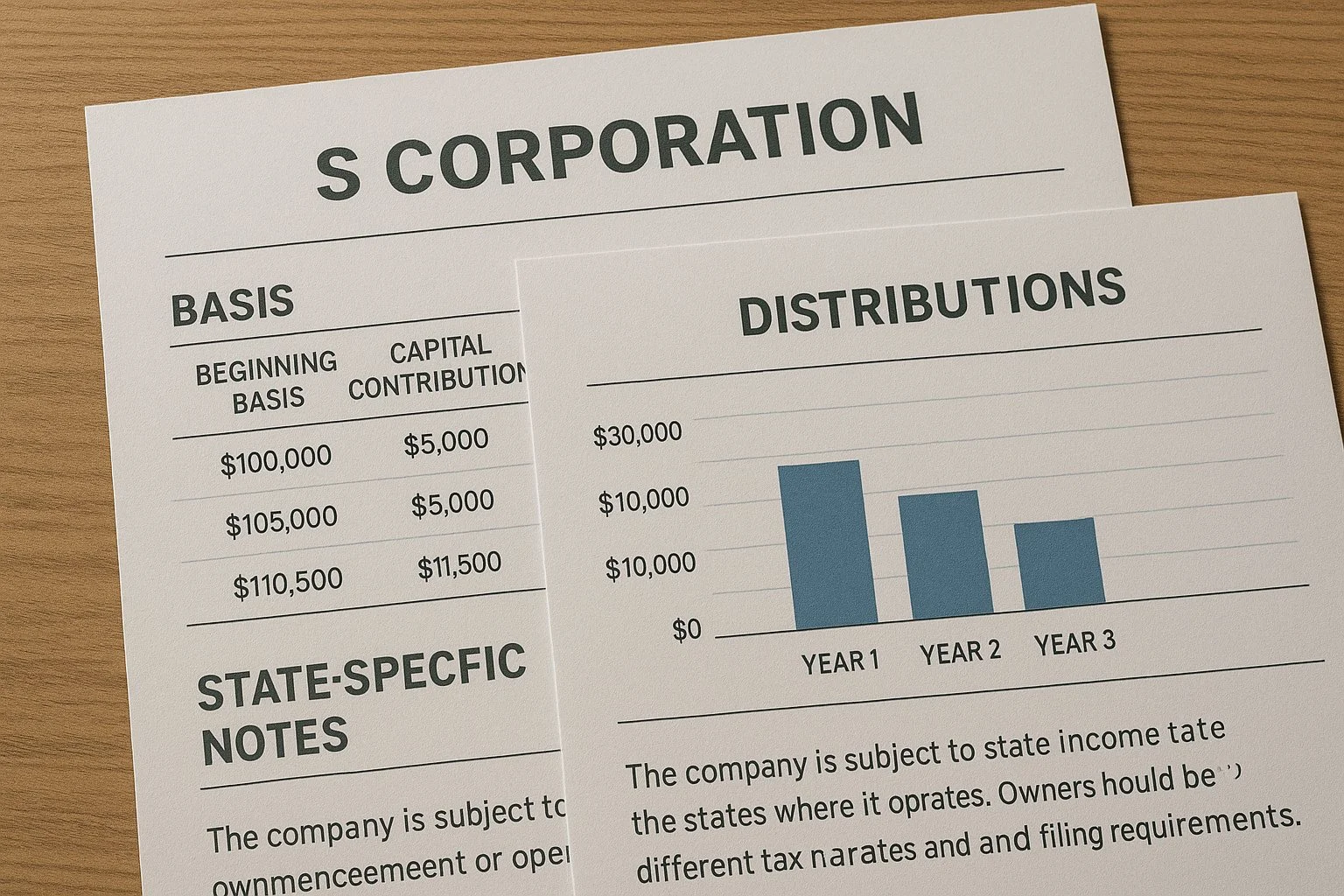
Although partnerships, LLCs, and S corporations all follow similar principles under the PTE election, each entity type has a few unique notes worth understanding.
PTE election for LLCs
Multi-member LLCs typically qualify if they are taxed as partnerships or S corporations.
Single-member LLCs do not qualify because there is only one owner, so there is no pass-through relationship to shift.
LLCs with trust owners or other pass-through entities need to check their state rules closely because some states exclude these ownership types.
PTE election for S corporations
S corporations have a few special considerations:
Some states require unanimous owner consent.
Basis calculations and distributions may be affected.
States sometimes impose specific S corporation limitations that do not apply to partnerships.
PTE Tax Election Examples
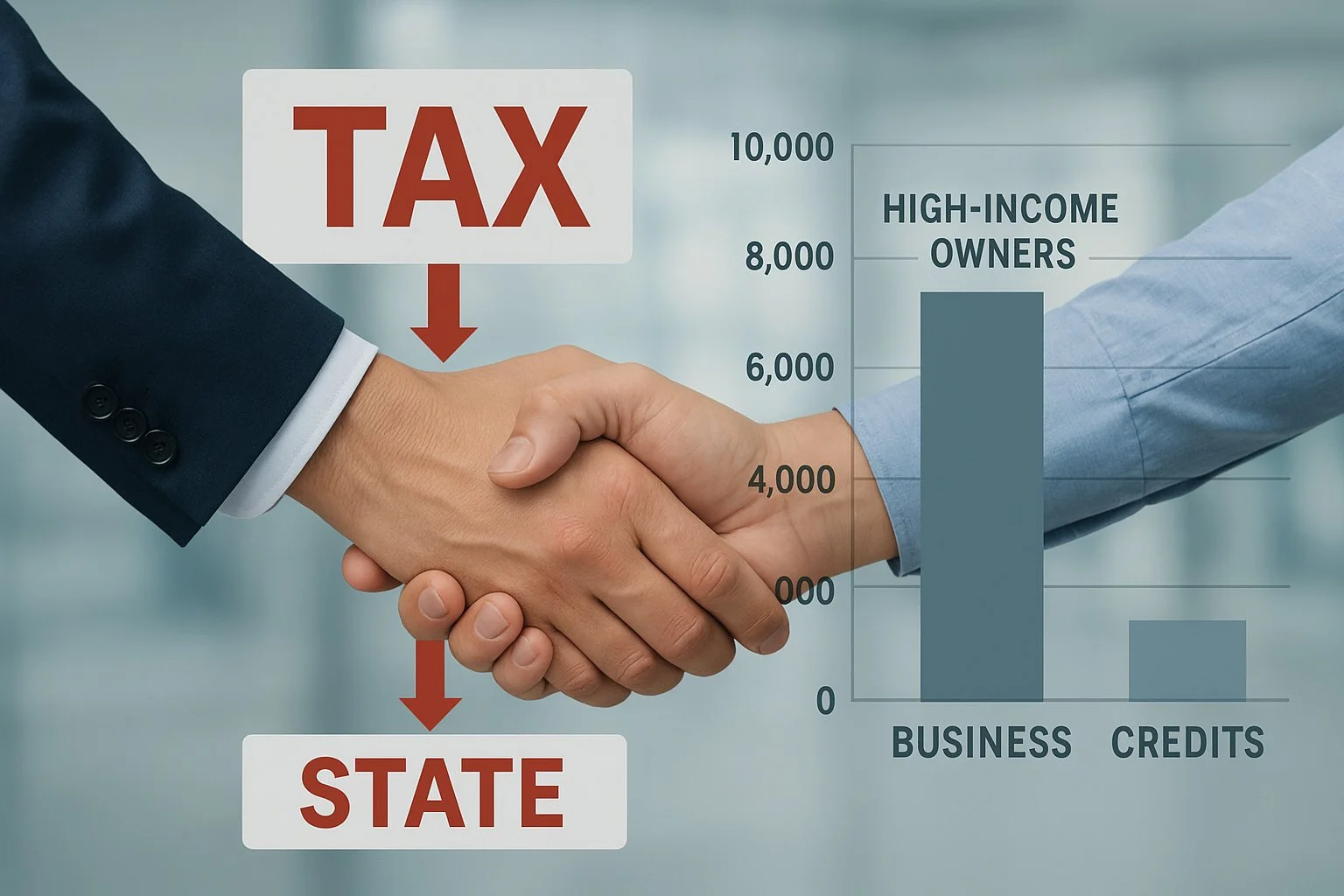
Examples make the mechanics much easier to understand. These simplified scenarios show the general idea.
Example 1. Partnership with high-income owners
Assume a partnership earns five hundred thousand dollars of taxable income. The state tax rate is six percent.
Without PTE. Each owner pays their share of state tax personally. They hit the ten thousand dollar federal SALT cap.
With PTE. The entity pays thirty thousand dollars of state tax. The partnership deducts that thirty thousand dollars before income passes to the owners. Their federal taxable income drops.
Owners receive a credit on their state returns that covers their share of the tax.
The result. The owners get a larger federal deduction because the business paid the tax instead of the individuals.
Example 2. An S corporation in a state that uses AGI reductions
An S corporation earns eight hundred thousand dollars. Instead of giving the owners a credit, the state reduces each owner’s state taxable income by their share of PTE taxed income.
The effect is the same. No double taxation. The owners also benefit from reduced income on their federal returns since the entity deducted the state tax as an expense.
Pros and Cons of the PTE Tax Election
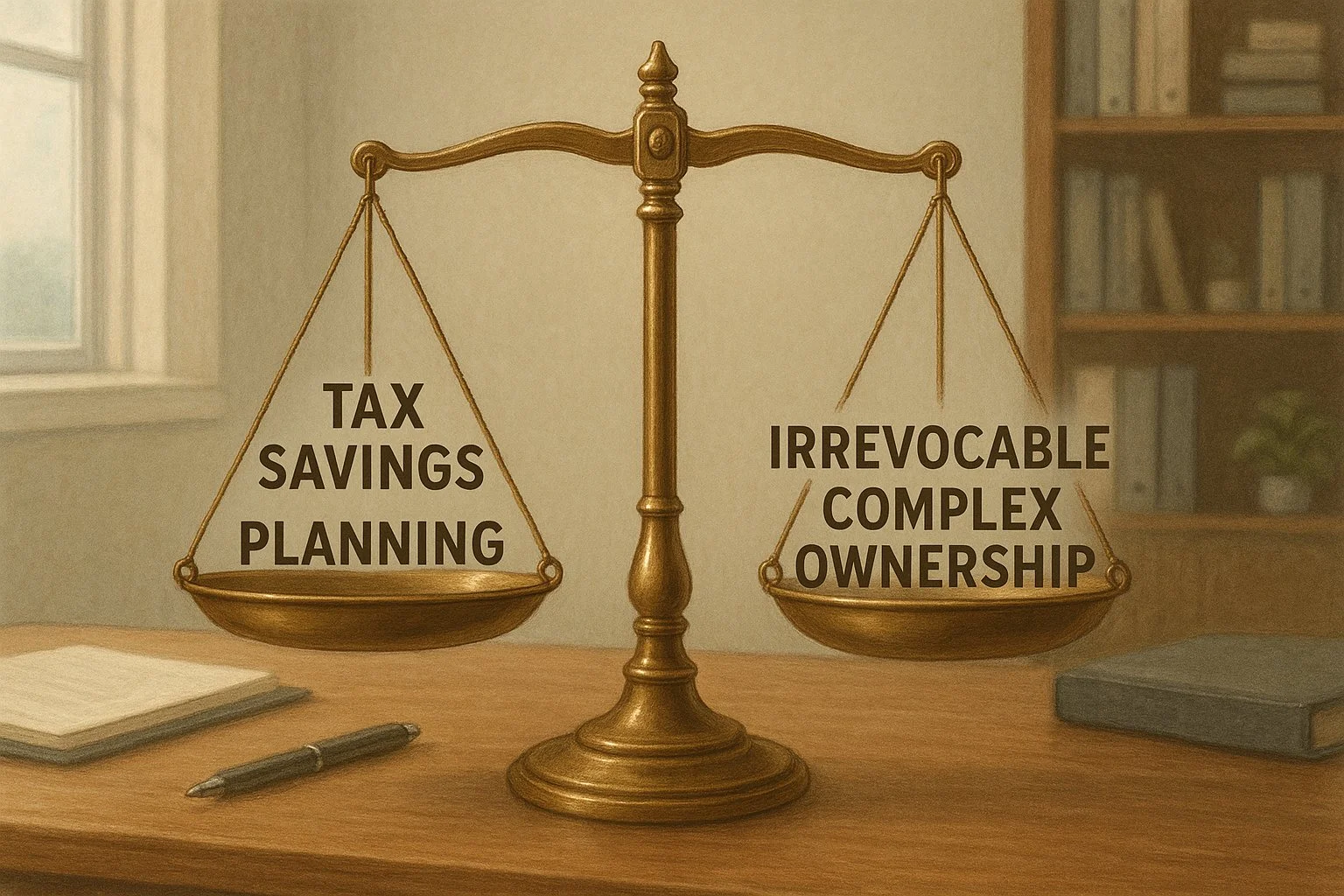
Choosing the PTE election is not a small decision. The benefits can be strong, but the drawbacks matter too.
Pros
It bypasses the ten thousand dollar SALT cap.
It lowers owners’ federal taxable income.
It shifts tax payments to the entity, which can help with planning.
Most owners receive a clean credit or income adjustment that offsets their state tax.
It is one of the few widely accepted SALT cap workarounds.
Cons
The election is usually irrevocable for the year.
Some states only offer nonrefundable credits, which not all owners can use.
Multi-state income can complicate the benefit.
Tiered or complex ownership can limit eligibility.
Not every owner benefits equally, depending on residency and filing status.
PTE Tax Election vs Other SALT Cap Workarounds
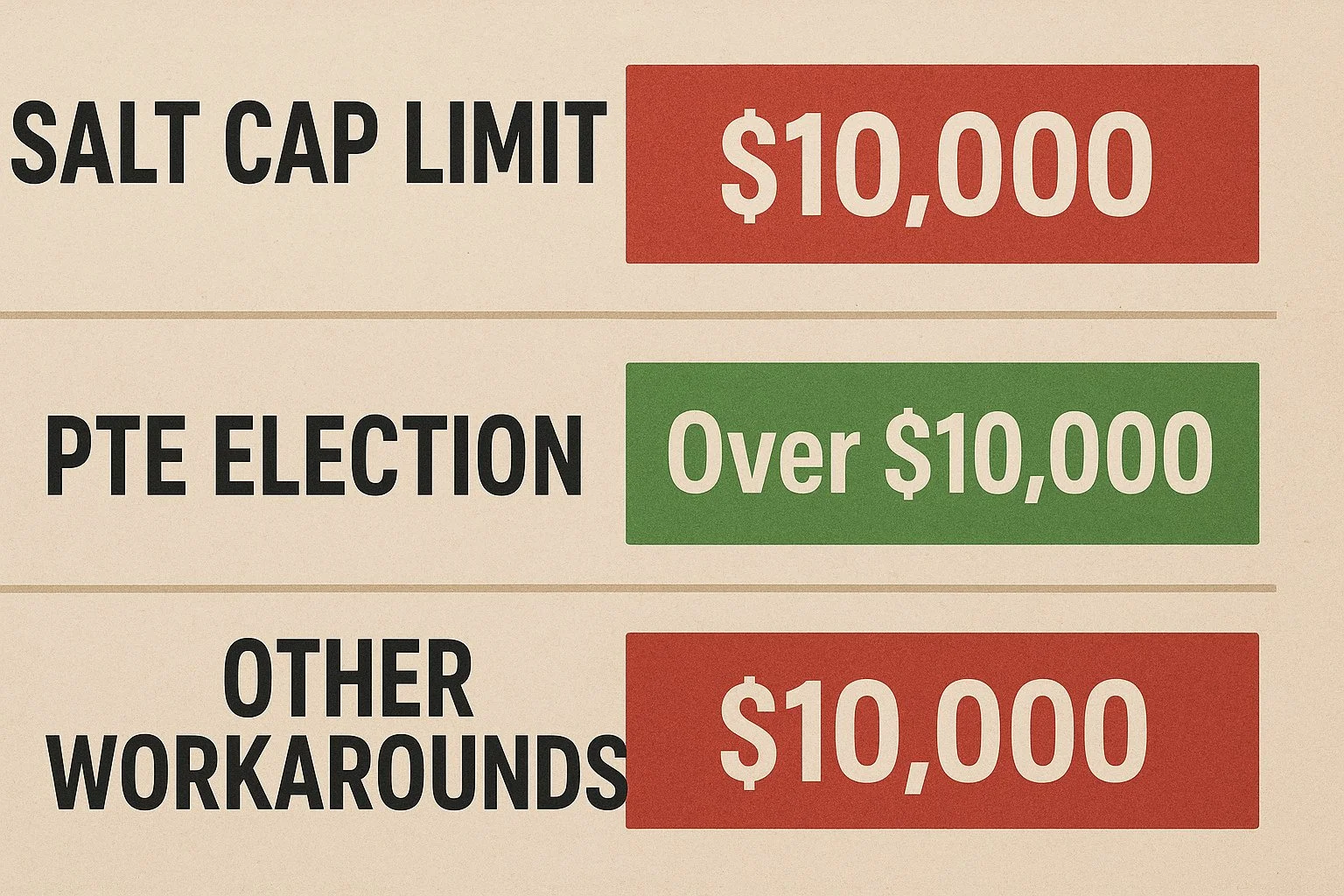
Before states introduced PTE elections, business owners looked for other ways to soften the SALT cap hit. A few alternatives still exist, but most are less effective or harder to qualify for.
Itemized deduction strategies
These do not beat the ten thousand dollar limit. They simply optimize within it.
Employer-level workarounds
Some states attempted payroll tax programs. These are far less flexible and often do not match the savings from a PTE election.
State-specific credits or alternative taxes
A few states experimented with credits or benefit structures separate from the PTE system. Most of those are limited in scope and not widely adopted.
This is why the PTE election became the main solution. It works within federal rules, produces clear deductions, and is accepted in dozens of states.
Conclusion

The PTE tax election can be one of the most practical tools for business owners who want to save on federal taxes without stepping outside the rules. It shifts state income tax from the owners to the entity, creates a larger federal deduction, and helps bypass the ten thousand dollar SALT cap. At the same time, the PTE election is not automatic. You need to check your state’s rules, confirm that your entity qualifies, and model the impact for each owner.
If you understand what the PTE election is and how it works, you can make a confident choice for your business. Use this guide as your starting point, and you will know what to look for, what questions to ask, and what steps to follow.
Next, you can explore our guide about Modeling PTE Election Savings.
Frequently Asked Questions
Is the PTE tax election worth it
It often is, especially for owners who pay high state taxes or regularly exceed the SALT cap.
Does the PTE election reduce taxes?
Yes. It usually reduces federal taxable income because the entity deducts state taxes as a business expense.
Can an LLC elect PTE?
Yes, if it has more than one member and is taxed as a partnership or S corporation.
Can a single-member LLC elect PTE?
No. Single-member LLCs taxed as sole proprietors do not qualify.
How do I file a PTE tax election?
You make the election through your state’s business return or designated form. Some states use estimated payments to lock the election.
Is the PTE election a SALT cap workaround?
Yes. That is the primary purpose.
What states allow PTE tax elections?
More than thirty states offer some form of PTE election, but rules change often.
Is the PTE election permanent?
No. Most states require a new election each year. The election is usually irrevocable for that specific year.
Does the PTE election affect federal taxes?
Yes. It lowers federal pass-through income because the tax is deducted at the entity level.