Year-End Tax Planning Checklist for Pass-Through Entities (PTEs)

Gary Gal
Year-end tax planning can feel like a scramble. You are closing the books, paying contractors, reviewing cash flow, and trying to keep up with day-to-day operations. In the middle of all that, the tax rules for pass-through entities can change what you owe and how you file. Many business owners wait until tax season to sort things out, but that is when you run out of options.
A smart year-end process helps you reduce your tax bill, fix mistakes early, and set up the next year with fewer surprises. Whether you have an S corporation, partnership, or multi-member LLC, the right steps at the end of the year can help you keep more of your money and stay compliant.
In this guide, you will learn what to review, what to track, and what to decide before the year closes. You will also get a clear checklist you can follow every year and tips that help you understand how your PTE works at tax time.
What Is Year-End Tax Planning for Pass-Through Entities?
Year-end tax planning is the process of reviewing your business finances, updating records, and making strategic decisions before December 31. Pass-through entities have unique rules because the income flows to the owners, which means both business and personal tax returns are affected.
A clear year-end plan helps you:
Reduce taxable income through legal deductions
Confirm that compensation and distributions follow IRS rules
Prepare clean books for tax filing
Make decisions that can lower your tax bill before the year closes
Avoid penalties from missed deadlines or incorrect reporting
This part of the year is a chance to adjust your financial picture before it becomes permanent.
Why Year-End Planning Matters for PTEs
Pass-through entities do not pay federal income tax at the business level. Instead, profit passes through to the owners. That is why year-end decisions matter more for PTEs than for many other business structures.
Here is why it matters:
You can reduce your personal tax liability
Most strategies you apply before December 31 directly affect the income that flows to you. That includes deductions, contributions, timing of income, and year-end purchases.
You can stay compliant with S corporation and partnership rules
The IRS has specific rules for reasonable compensation, guaranteed payments, distributions, and shareholder loans. Mistakes lead to penalties or reclassification of income.
You get a better financial picture for next year
Accurate year-end planning helps you budget, set salaries, schedule tax payments, and prepare the business for growth.
You avoid tax-season surprises
No one enjoys unexpected tax bills. Year-end planning gives you time to prepare for estimated payments and adjust cash reserves.
Your Year-End Tax Planning Checklist for PTEs
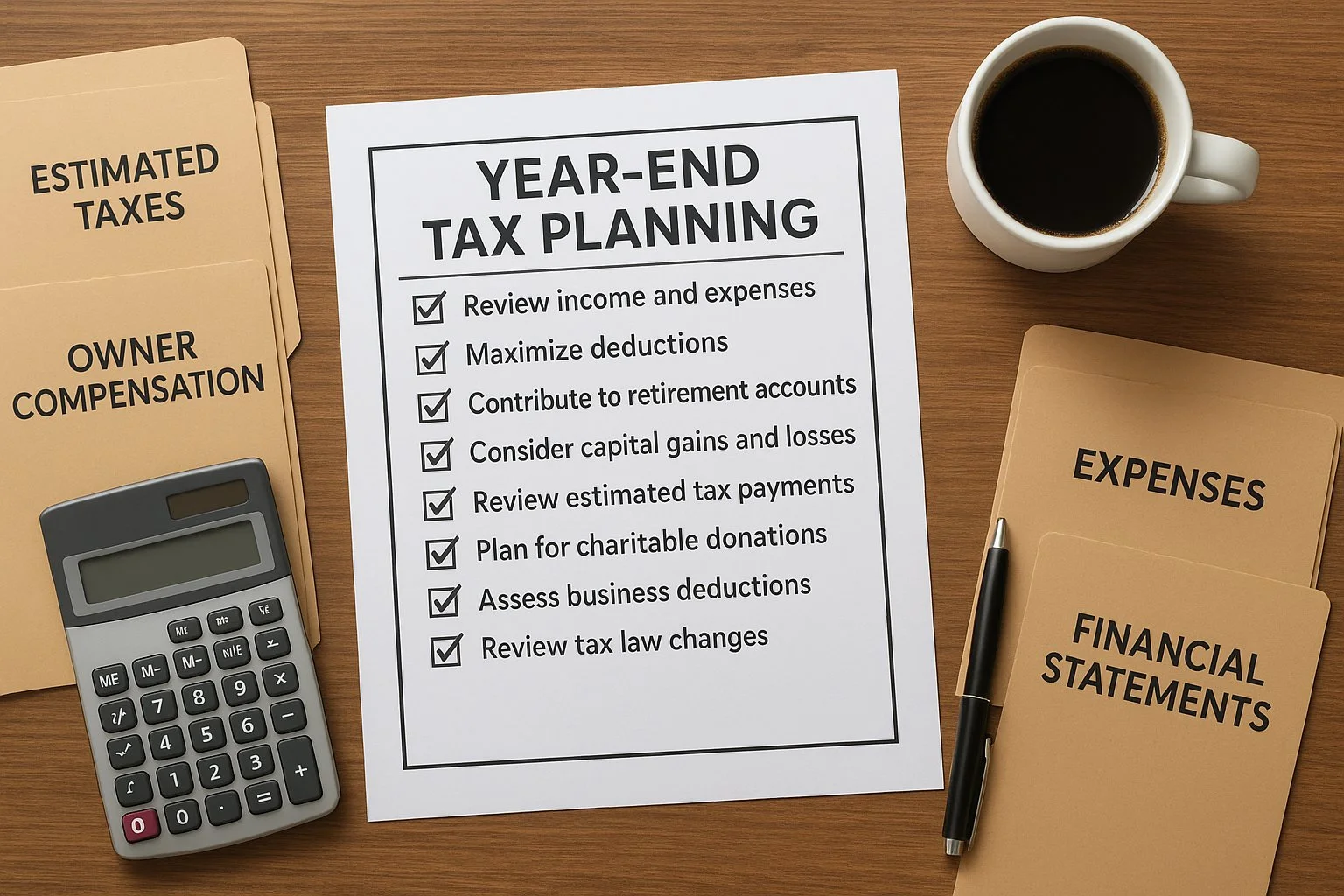
This is your full checklist. Each item is written so you can follow it step-by-step.
Review Your Estimated Taxes
Pass-through owners often pay quarterly estimated taxes. If income changed during the year, your estimated payments might not match what you owe.
Check the following:
Your year-to-date business profit
Any changes in owner compensation
Major expenses or deductions
Whether you are underpaid or overpaid
If you are short, your accountant may suggest a final estimated payment in January to avoid penalties.
Confirm Owner Compensation Rules
The IRS has strict rules for how owners of pass-through entities pay themselves.
For S corporation owners
You must pay yourself a reasonable salary through payroll. If you paid yourself too little or only took distributions, the IRS can reclassify income and add penalties.
Review:
Salary amount
Payroll reports
Health benefits
Retirement contributions
If adjustments are needed, do them before the final payroll run of the year.
For partnership and multi-member LLC owners
You do not get a salary. Earnings flow through as:
Guaranteed payments
Distributive share
Year-end distributions
Check that all guaranteed payments are recorded correctly. Also, confirm that distributions match your ownership percentages.
Track and Categorize Business Expenses
Missing receipts and uncategorized expenses can cost you real money. Before year-end, review and clean up your books.
Check:
Subscription and software charges
Mileage logs or travel records
Office supplies
Equipment and hardware purchases
Marketing and advertising expenses
Contract labor
Home office expenses
Any reimbursable personal expenses
A clean record helps you claim every legal deduction and reduces time spent during tax season.
Review Your Books and Financial Statements
A clean set of books is essential for tax filing.
Make sure the following are accurate:
Profit and loss statement
Balance sheet
Owner equity accounts
Partner capital accounts
Loan balances
Bank and credit card reconciliations
If anything looks off, fix it now. January is too late.
Consider the PTE Tax Election for SALT Deduction Relief
The PTE tax election has become a major year-end strategy for many states. This election allows certain pass-through entities to pay state income tax at the entity level, which can help owners bypass the federal $10,000 SALT deduction cap.
Ask yourself:
Does your state offer the PTE election?
Do you qualify?
Is the deadline approaching?
Will it reduce your federal taxes?
This decision is time-sensitive because most states require the election during the tax year or by year-end. Filing too late means missing out for the entire year.
If you want a deeper explanation of how the PTE election works, see your earlier article and consider interlinking both pieces for readers who want to learn more.
Maximize Retirement Contributions
Year-end is the perfect time to review retirement contributions. Contributions reduce taxable income and build long-term savings.
Consider:
Solo 401(k)
SIMPLE IRA
Traditional IRA
Some plans allow contributions until the tax filing deadline, but decisions about salary deferrals often need to be completed by year-end.
Review Your QBI Deduction Eligibility
The Qualified Business Income (QBI) deduction allows many pass-through owners to deduct up to 20 percent of their qualified business income.
Review:
Whether your income falls within QBI limits
Whether you meet the wage and asset tests
Whether owner compensation affects the deduction
Whether the business falls into the “specified service business” category
Small adjustments at the end of the year can help maximize this deduction.
Evaluate Depreciation and Equipment Purchases
If you plan to buy equipment, software, or machinery, December may be a good time. Section 179 and bonus depreciation rules let you write off part or all of the purchase in the same year.
Review:
Large equipment needs
Computer upgrades
Office furniture
Machinery
Vehicles that meet business-use requirements
Do not make purchases you do not need, but if an upgrade is already planned, year-end may give you a tax benefit.
Check Payroll, Benefits, and Contractor Payments
Before the year closes, confirm your payroll records are correct.
Check:
W-2 employee wages
S corporation owner salaries
Contractor payments for 1099s
Health reimbursement arrangements
Health insurance premiums
Fringe benefits
Reimbursements
1099-NEC forms must be sent out in January. Clean records make the process smoother.
Update and Review Your Partnership or Operating Agreement
With partnerships and multi-member LLCs, year-end is the ideal time to review your agreement.
Confirm:
Ownership percentages
Profit and loss allocations
New partners or departing partners
Capital accounts
Distribution rules
This prevents disputes and avoids surprises at tax time.
Review Loans, Distributions, and Capital Accounts
Pass-through entities must track owner equity carefully.
Check:
Member or shareholder loans
Repayments
Owner draws or distributions
Capital contributions
Ending capital account balances
Incorrect records can trigger errors on your return and create issues during an IRS review.
Meet with Your Accountant Before Year-End
This is usually the most important step. Waiting until tax season limits your options. Meeting before December 31 gives you time to adjust payroll, update records, or make strategic decisions.
Bring:
Updated financial statements
Payroll reports
Partnership agreements
Retirement plan details
Year-to-date tax estimates
Planned purchases
Your accountant can help you model different scenarios, identify savings, and avoid compliance issues.
Extra Year-End Tips for S Corporations
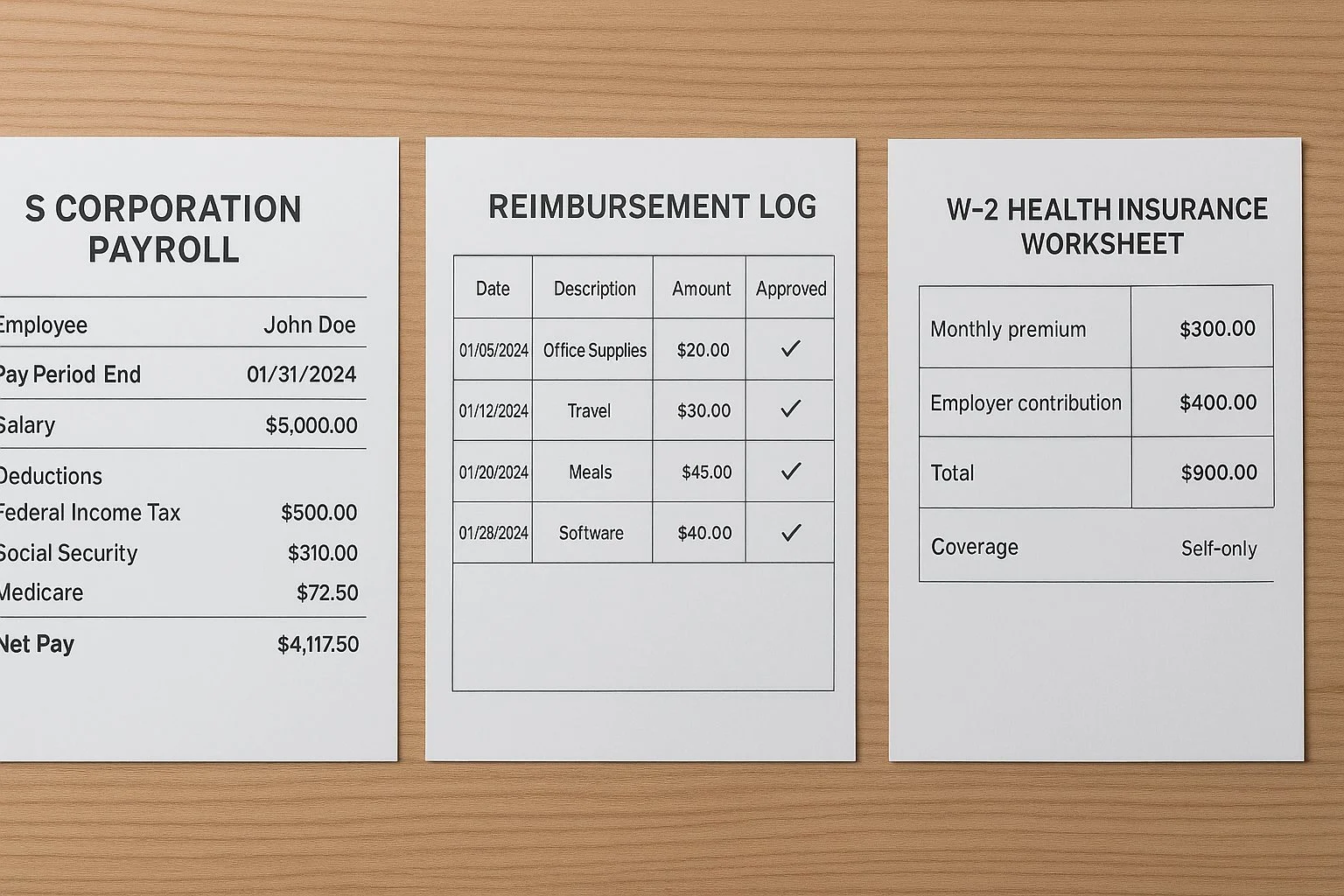
S corporations have unique rules that need attention before year-end. Use these tips to stay compliant.
Reasonable salary rules
Your salary must match market rates. If you paid yourself too little, adjust before the final payroll run.
Accountable plan reimbursements
If you reimburse yourself for expenses, they must be processed through an accountable plan. Review these reimbursements before year-end.
Health insurance reporting
Owner health insurance must be reported correctly on your W-2. Many owners forget this.
Built-in gains tax considerations
If you recently converted from a C corporation, check whether any assets trigger the built-in gains tax.
Extra Year-End Tips for Partnerships and Multi-Member LLCs
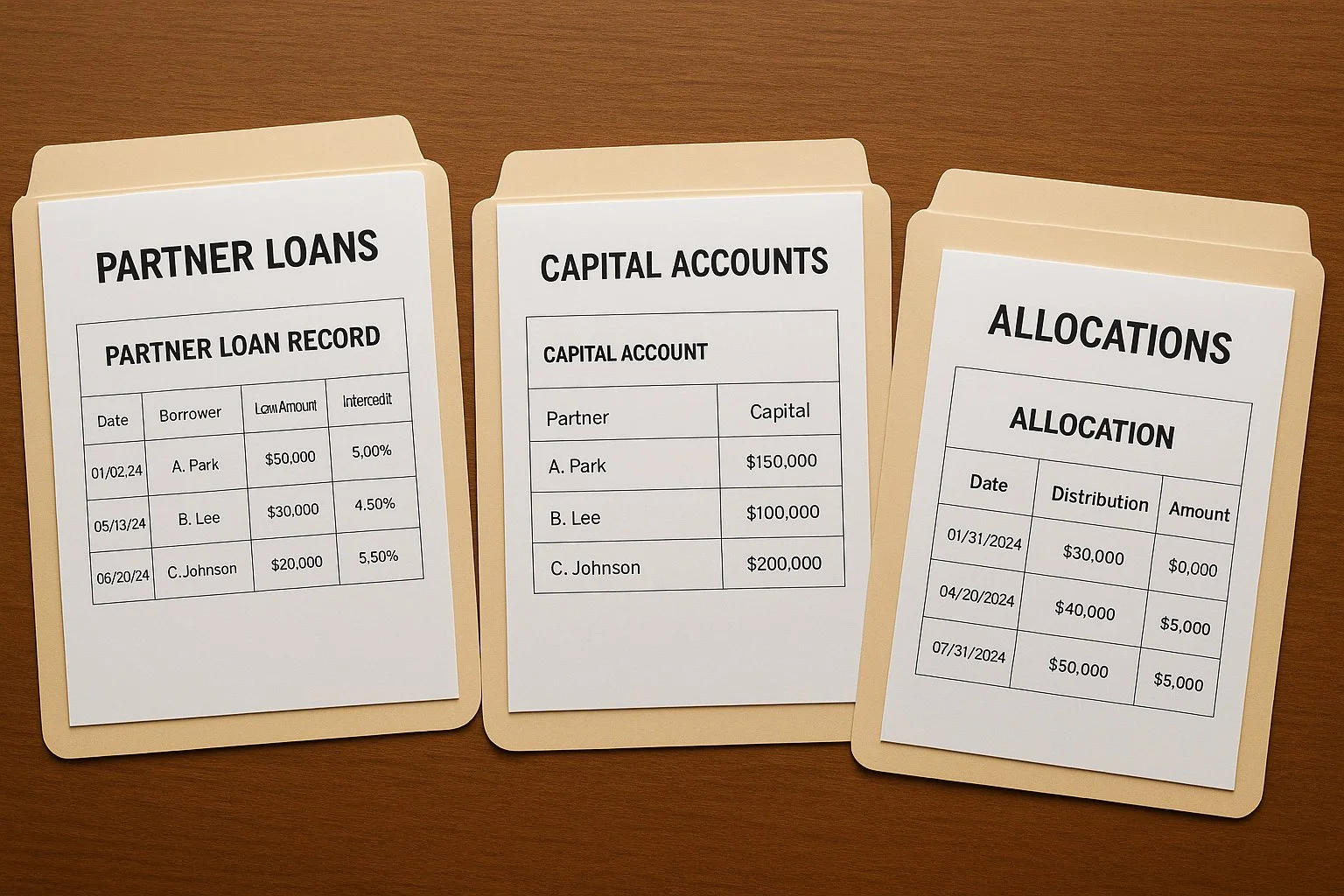
Partnership rules can be complex. Year-end is a good time to review these items.
Guaranteed payments
These must be recorded correctly and included on your K-1.
Partner distributions
Distributions must match your ownership percentages unless your agreement says otherwise.
Partner loans
If you loaned money to the partnership, confirm that balances are recorded.
Capital account reporting
Partnership tax returns now require capital accounts on the tax basis. Make sure your books match the return.
State-Specific Considerations
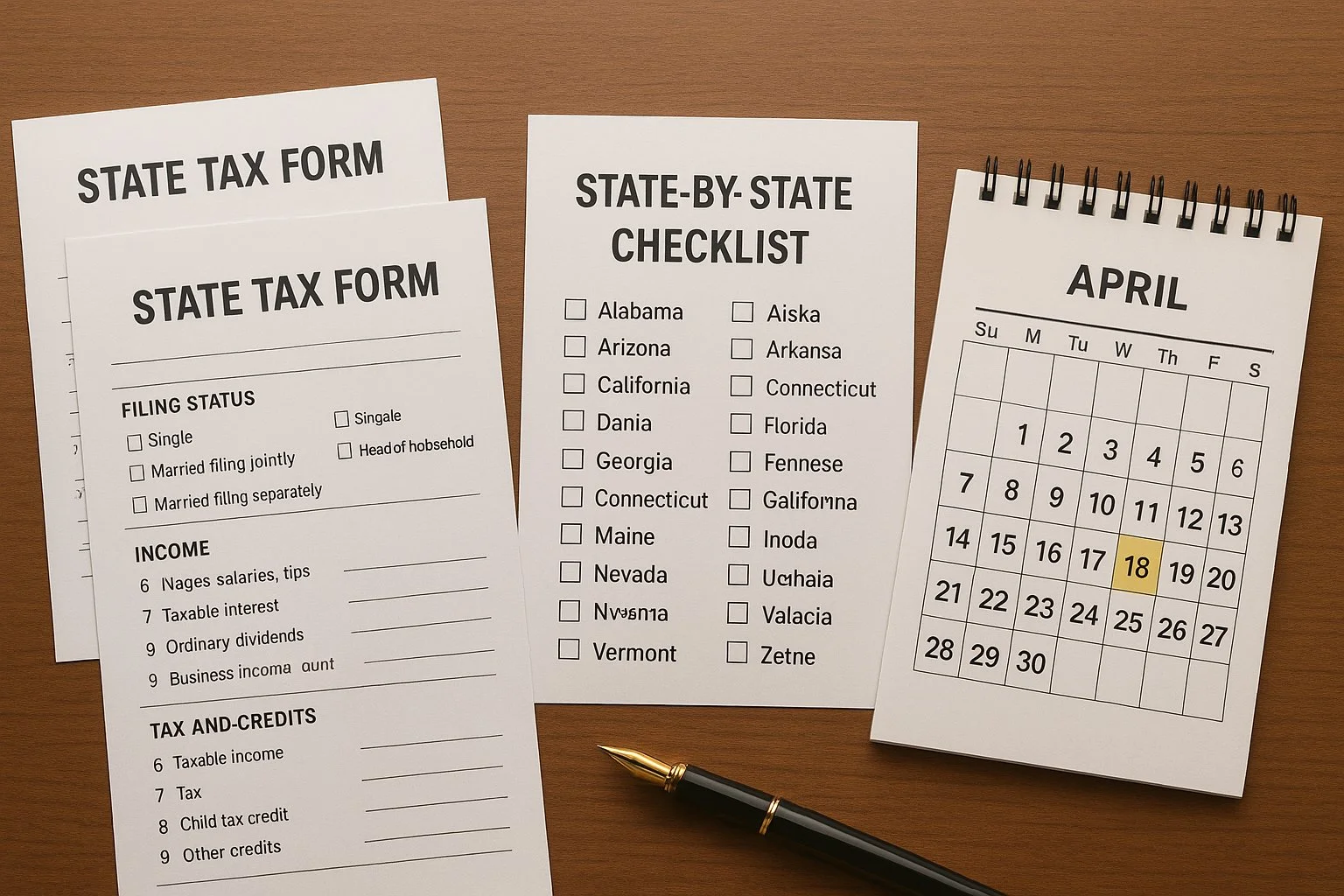
Each state has different tax deadlines and rules, especially for:
PTE tax elections
Estimated tax payments
Payroll filings
Partnership taxes
Franchise taxes
Entity-level taxes
Check:
Your state’s PTE tax election deadline
Whether your state requires minimum taxes
Whether you owe sales tax on digital or service-based income
Franchise tax thresholds
A small state-level oversight can affect your return.
Conclusion
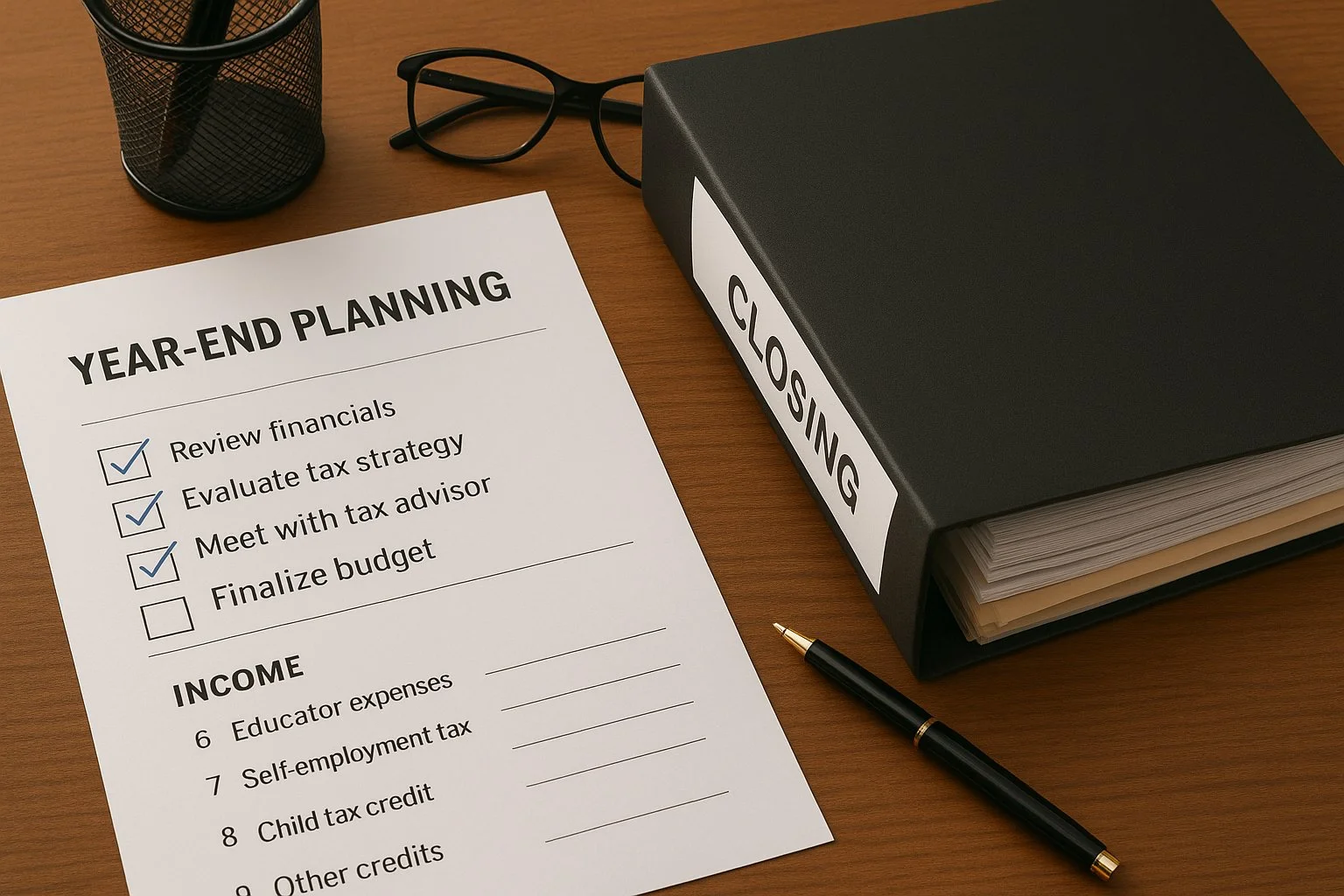
Year-end tax planning is not something you check off in an hour. It is a chance to clean up your books, confirm compliance, reduce taxes, and set your business up for a strong next year. Whether you run an S corporation, partnership, or multi-member LLC, the steps in this checklist help you understand what needs attention and why each part matters.
If you follow this guide every year, you stay ahead of deadlines, reduce risk, and keep more of your hard-earned money. And if a topic raises more questions, your accountant can help you analyze your numbers and make the best decisions for your situation.
For you to have a better understanding of PTE, check out our guide about the PTE Tax Election.
Frequently Asked Questions
What counts as a pass-through entity for tax purposes?
A pass-through entity includes S corporations, partnerships, and most multi-member LLCs. These businesses do not pay federal income tax at the entity level. Instead, the income flows through to the owners, who report it on their personal returns.
Why is year-end tax planning so important for PTEs?
Year-end planning helps you reduce your tax bill, update your books, and make decisions that affect your personal return. Since income flows through to you, the actions you take before December 31 can change what you owe in April.
What are the most common year-end tasks for S corporations?
The key tasks include checking reasonable salary, finalizing payroll, reviewing distributions, confirming health insurance reporting on W-2s, updating retirement contributions, and cleaning up your books before filing.
What should partnerships or multi-member LLCs focus on at year-end?
Partnerships should review capital accounts, guaranteed payments, partner distributions, and loan balances. They should also confirm that profit and loss allocations match the partnership agreement.
Do all states offer a PTE tax election?
No. Most states offer it, but not all. The rules, deadlines, and eligibility requirements vary by state. You need to check your state's tax department website or talk to your accountant to confirm if your state participates.
How do year-end purchases affect my taxes?
If you buy equipment or software before year-end, you may qualify for Section 179 or bonus depreciation. These rules can let you deduct part or all of the cost in the same year, which lowers taxable income.
Can the PTE election lower my federal taxes?
Yes. Paying state taxes at the entity level may help you avoid the $10,000 SALT deduction cap on personal returns. This can reduce your federal taxable income and lower your overall tax liability.
What happens if I underpay estimated taxes during the year?
If your estimated payments are too low, you may face penalties. Your accountant may suggest a final estimated payment in January to reduce or eliminate those penalties.
Do retirement contributions help reduce taxes for PTEs?
Yes. Contributions to accounts like SEP IRAs, Solo 401(k)s, and SIMPLE IRAs can reduce taxable income for both the owner and the business. Some contributions must be made by year-end, so timing matters.
When should I meet with my accountant for year-end planning?
The best time is late November or early December. Waiting until tax season limits your options. Meeting before year-end lets you adjust payroll, check records, and make decisions that lower taxes before the year closes.